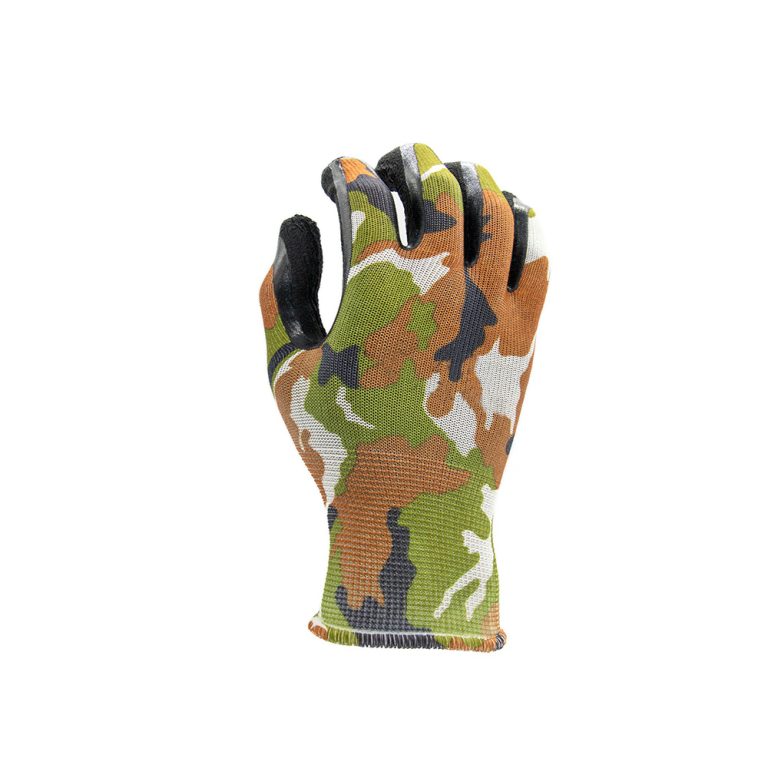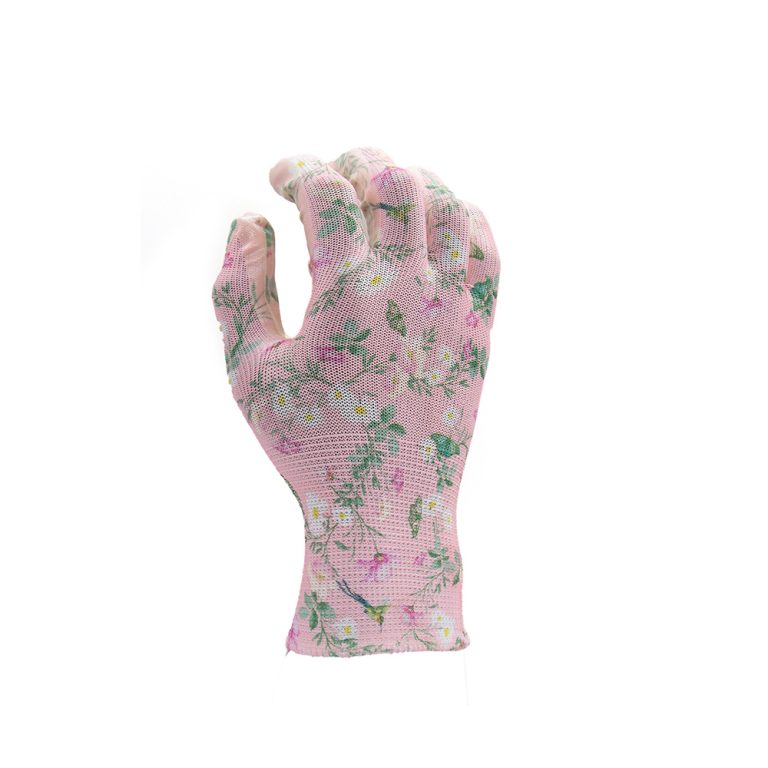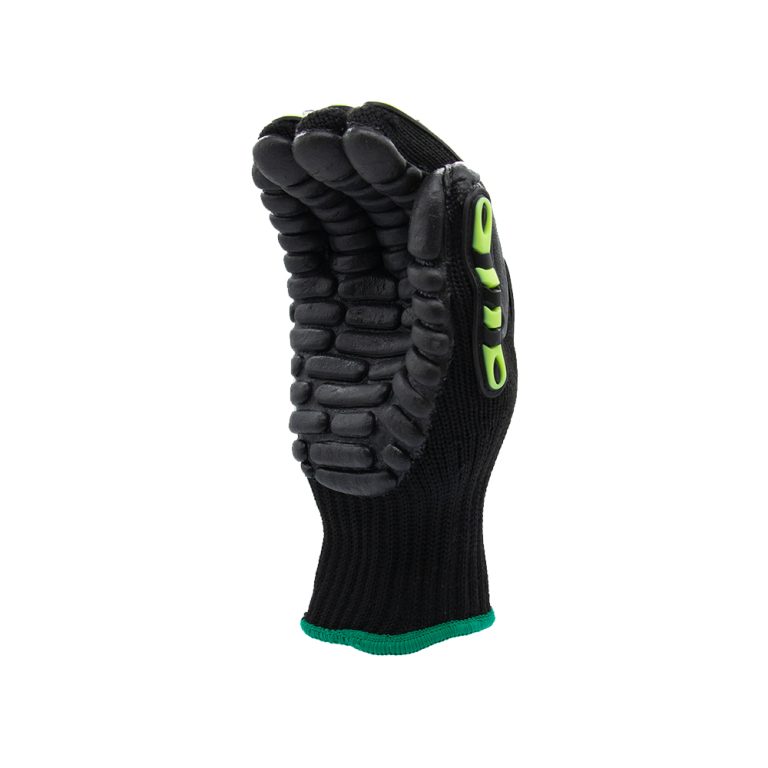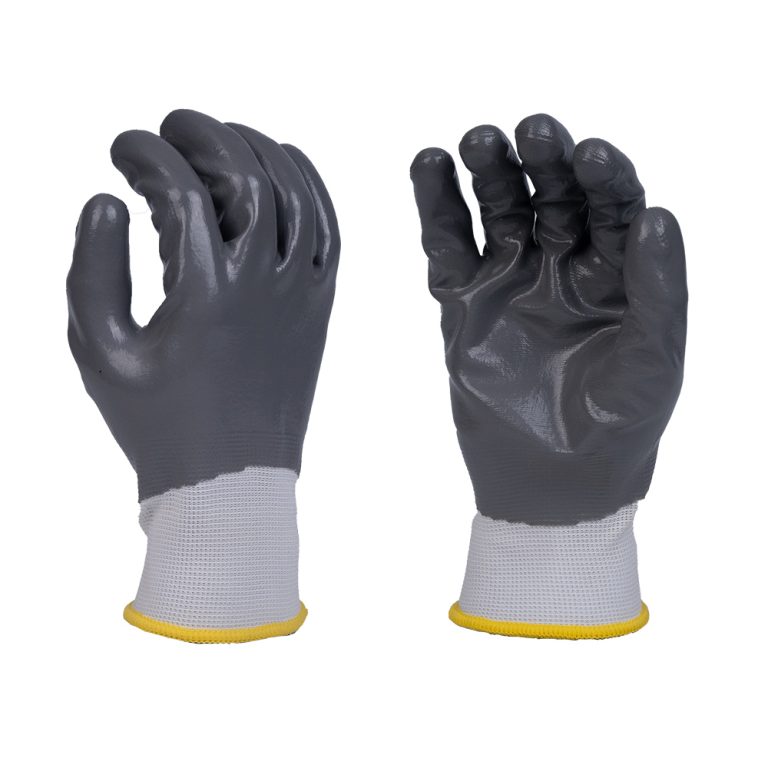

For fleet maintenance teams, the right impact gloves are not simply the thickest pair available. They must protect the back of the hand during routine repairs while preserving the grip and finger control technicians need. A useful purchasing specification starts with tasks and hazards, then balances impact coverage, palm performance, dexterity, fit, comfort, and replacement planning.
This approach helps a fleet standardize protection without forcing one glove into every job. It also gives procurement teams a defensible way to compare samples and prepare an RFQ.
Where Routine Repairs Create Knuckle Risk
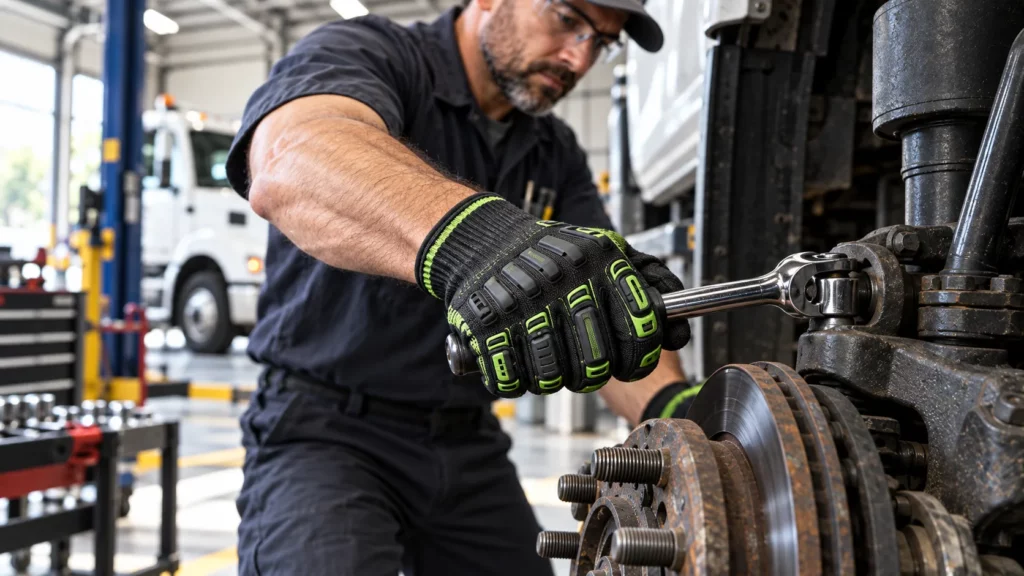
Knuckle injuries often occur during ordinary work. A wrench can slip when a fastener breaks free. A hand can strike a frame rail, suspension part, bracket, or nearby tool. Components may shift during removal, and tight spaces place hands close to hard surfaces. Tire, brake, battery, body, and heavy-equipment service create different combinations of impact, abrasion, pinch, and grip hazards.
The pattern matters because an impact glove only helps where its protective structure matches the contact area. Knuckle and finger coverage may help with back-of-hand strikes, but it does not automatically address cuts, chemicals, heat, electrical exposure, or crushing. Document the tasks, contact points, fluids, tools, and conditions before choosing a glove category.
PONWELL lists automotive repair and mechanical maintenance among the applications for its shock-resistant gloves. That product relationship is relevant, but the final selection should still be verified against the fleet’s task assessment and the current product specification.
Turn the Hazard Review into a Glove Specification
A practical fleet program can separate work into task groups rather than buying one universal mechanic glove:
- General inspection may prioritize dexterity, breathability, and dry grip.
- Brake, suspension, wheel, and underbody work may require more back-of-hand coverage and abrasion resistance.
- Power-tool operation may require evaluation of vibration, grip, and fatigue in addition to impact protection.
- Fluid service may need a different glove because impact padding does not establish chemical resistance.
- Hot, energized, sharp, or heavy components require separate hazard controls and task-specific hand protection.
Use this matrix to define where impact hand protection is required and where another glove type is more appropriate. The result should state the task, hazard, required coverage, grip condition, dexterity need, expected wear point, and change-out trigger.
Evaluate the Features That Affect Technician Acceptance
Back-of-Hand Coverage and Flexibility
Inspect how protective elements cover the knuckles, fingers, and spaces between them. Large gaps can leave contact zones exposed, while rigid structures may restrict flexion or create pressure points. Ask technicians to grip common tools and reach around representative components while checking whether protection stays in position.
Palm Grip and Durability
Compare samples on dry metal, oily parts, dusty surfaces, hoses, fasteners, and tools. A palm that feels secure when clean may behave differently around oil or moisture. Reinforcement can improve durability but may reduce tactile feedback. Specify grip conditions and abrasion points instead of relying on a “heavy-duty” label.
Dexterity and Fastener Control
Technicians must handle fasteners, clips, fittings, controls, and small parts. A glove that causes frequent removal during fine work weakens consistent use. Include small-fastener handling, ratchet use, hose connection, and tool changes in the trial. Record dropped parts, glove removal, pressure, and restricted movement.
Fit, Cuff, and Comfort
Size affects protection and control. A loose glove can bunch or shift protection away from the knuckles; a tight glove can restrict movement. Evaluate the size range, finger length, thumb position, cuff security, breathability, and ease of donning. Assess comfort over a shift, not only during a brief fitting.
Run a Controlled Fleet Wear Trial
Before a bulk purchase, issue candidate gloves to technicians representing different jobs, hand sizes, vehicles, and shifts. Continue long enough to reveal wear, but replace any unsafe sample immediately.
Use a simple scorecard covering:
- Protection staying aligned during work
- Grip on tools and representative parts
- Dexterity for small fasteners and controls
- Comfort across the full shift
- Heat and moisture buildup
- Seam, coating, palm, and padding wear
- Tasks that caused glove removal or substitution
Feedback should identify the task and condition, not just a preference. “Poor grip during oily suspension work” is actionable; “did not like it” is not. Compare samples against the same task list and pass/fail criteria.
Plan Inspection and Replacement Before Issuing Gloves
Impact protection is only useful while the glove remains intact and fits correctly. Establish inspection points for torn fabric, open seams, worn palms, damaged protective elements, separation, loss of grip, and permanent stretching. Contamination may also require removal from service depending on the substance and the glove’s care instructions.
Supervisors can adapt a visual work glove inspection checklist to the fleet’s tasks. Define who inspects gloves, where replacements are stored, how technicians report early failure, and whether different job groups need different change-out rules. Do not extend service life based only on appearance if protective structure, grip, or fit has degraded.
Compare Suppliers and Prepare the RFQ
A useful RFQ gives suppliers enough application detail to recommend an appropriate configuration. Include the maintenance tasks, likely impact zones, dry or oily grip conditions, tool use, shift length, size distribution, desired quantity, and any other hazards requiring separate protection. Request current product data, material and construction details, available sizes, care guidance, packaging information, sample availability, and applicable test documentation.
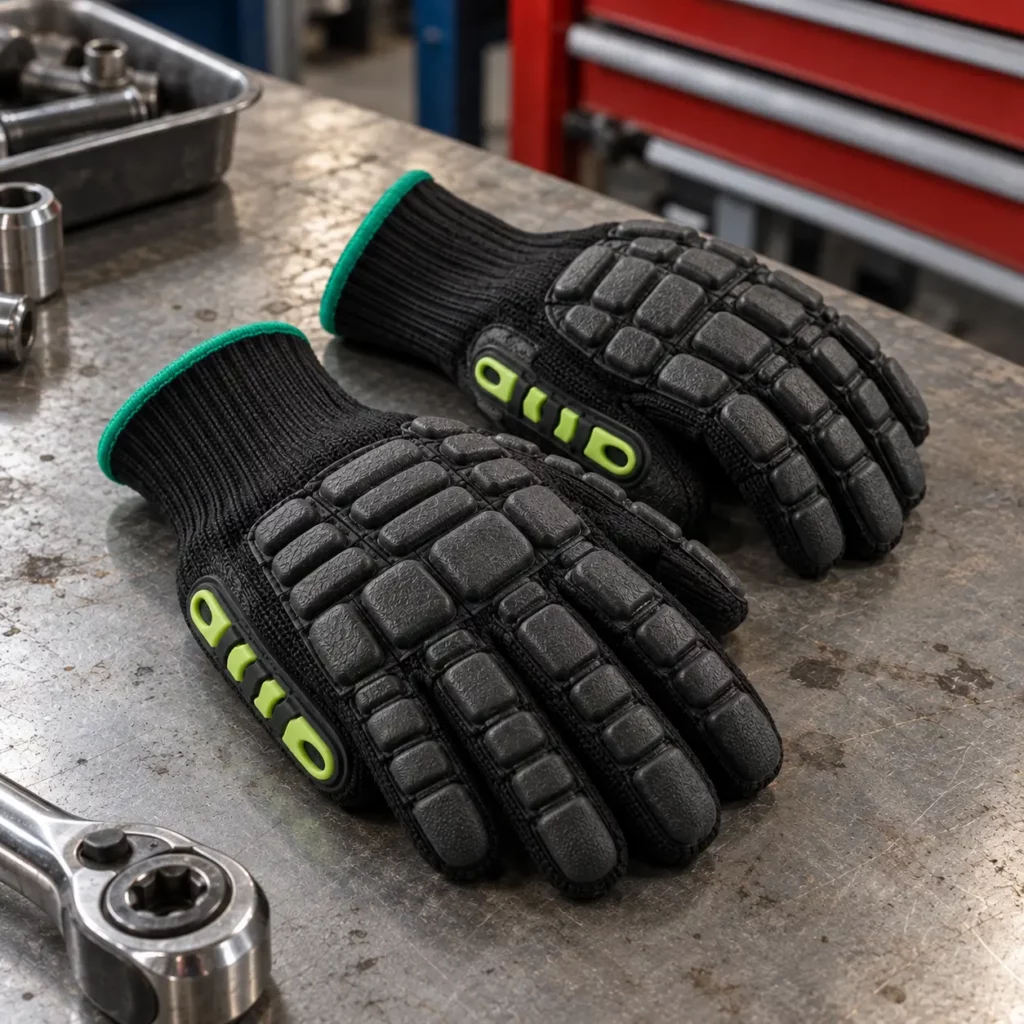
If branding, colors, packaging, or construction changes are needed, review the supplier’s OEM and ODM options only after the safety and usability specification is stable. A visual change should not substitute for verified application fit.
PONWELL offers a shock-resistant glove category and a listed product for automotive repair and mechanical maintenance. Buyers should ask PONWELL to confirm the current configuration, materials, sizing, test information, and suitability for the fleet’s documented tasks. Product details may vary by material, size, operating environment, or configuration.
Conclusion
Choosing impact gloves for fleet maintenance requires more than finding a padded mechanic glove. Start with the repairs that expose knuckles and fingers to hard contact, define where impact coverage is necessary, then evaluate grip, dexterity, fit, comfort, and durability through a controlled wear trial. A task-based specification also clarifies when another glove type or hazard control is needed.
With inspection, replacement, and supplier verification built into the purchasing process, fleet managers can select hand protection that technicians are more likely to use consistently during routine repairs.
Часто задаваемые вопросы
Are impact gloves suitable for every fleet maintenance task?
No. They can address certain back-of-hand impact and abrasion hazards, but they do not automatically provide protection from chemicals, cuts, heat, electricity, or crushing. Match each task to its full hazard assessment.
How should a fleet test mechanic impact gloves before buying in bulk?
Run a controlled wear trial across representative jobs, hand sizes, vehicles, and shifts. Score coverage, grip, dexterity, comfort, heat buildup, wear, and any task that causes technicians to remove the gloves.
What fit problems should buyers watch for?
Look for palm bunching, excess fingertip length, pressure points, cuff movement, restricted finger flexion, and protective elements that shift away from the knuckles during tool use.
When should impact gloves be replaced?
Replace them when tears, open seams, worn grip surfaces, damaged or displaced protective elements, contamination, permanent stretching, or other deterioration compromises protection, fit, or control.
What information should be included in an impact glove RFQ?
Provide tasks, impact zones, grip conditions, tools, other hazards, shift length, size distribution, quantity, and customization needs. Ask for current specifications, material and construction details, sizing, care guidance, samples, and applicable test documentation.
Request a Fleet-Specific Glove Fit Check
To assess application fit or prepare a bulk quotation, contact the PONWELL team with your maintenance tasks, working conditions, size range, trial quantity, and required delivery configuration.