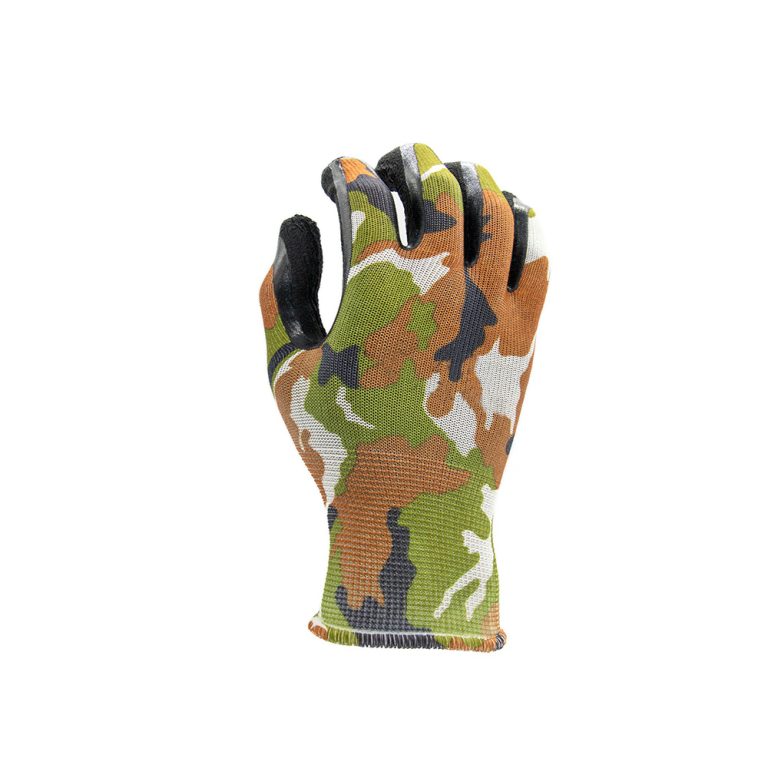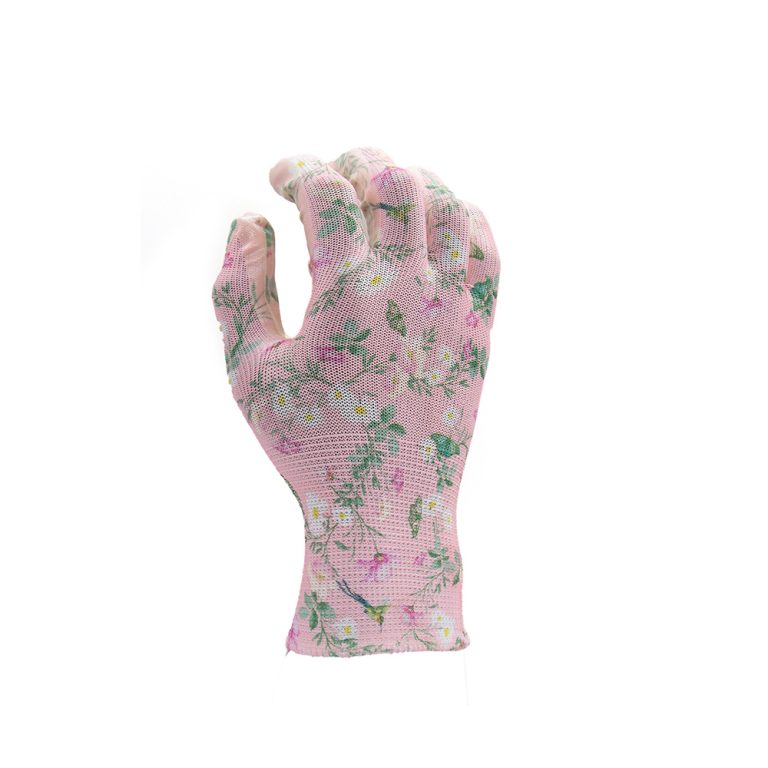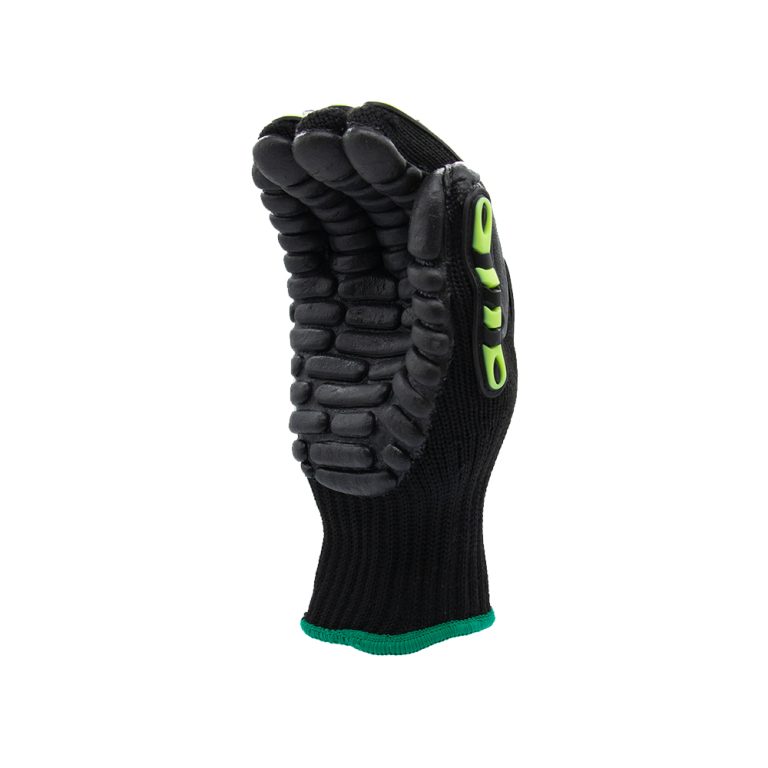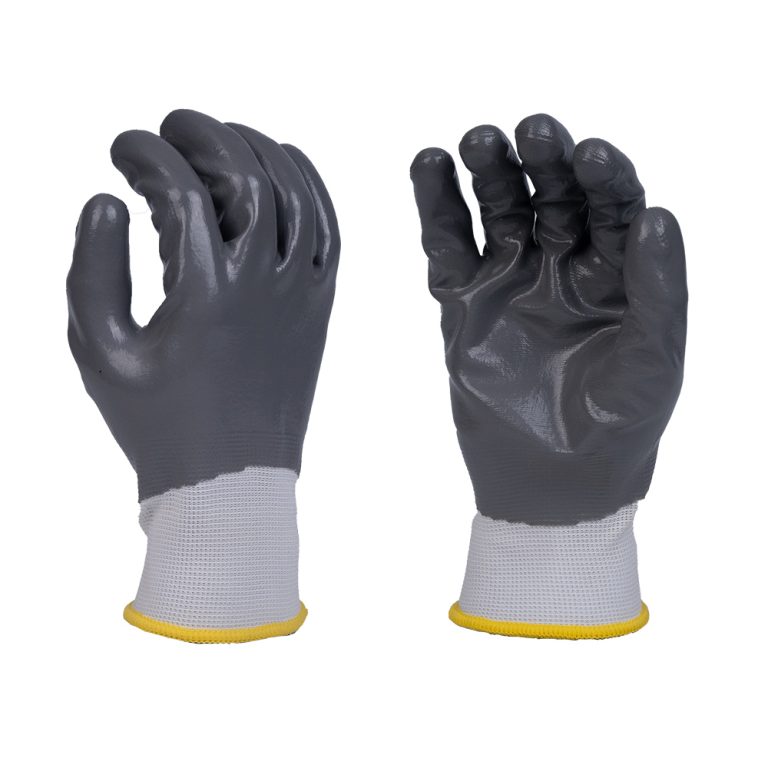

Custom working gloves are no longer limited to adding a company name to a standard promotional item. For industrial distributors, safety managers, contractors, and private-label brands, customization can include glove materials, coating performance, colors, logos, packaging, and fit. The challenge is specifying these options without weakening protection, comfort, or production consistency.
A practical custom glove program begins with the work environment. Once the required protection and handling performance are clear, color and branding choices can be developed around the glove’s construction. This approach helps buyers compare quotations accurately and gives manufacturers enough information to recommend a workable design.
Define the Work Requirement Before the Artwork
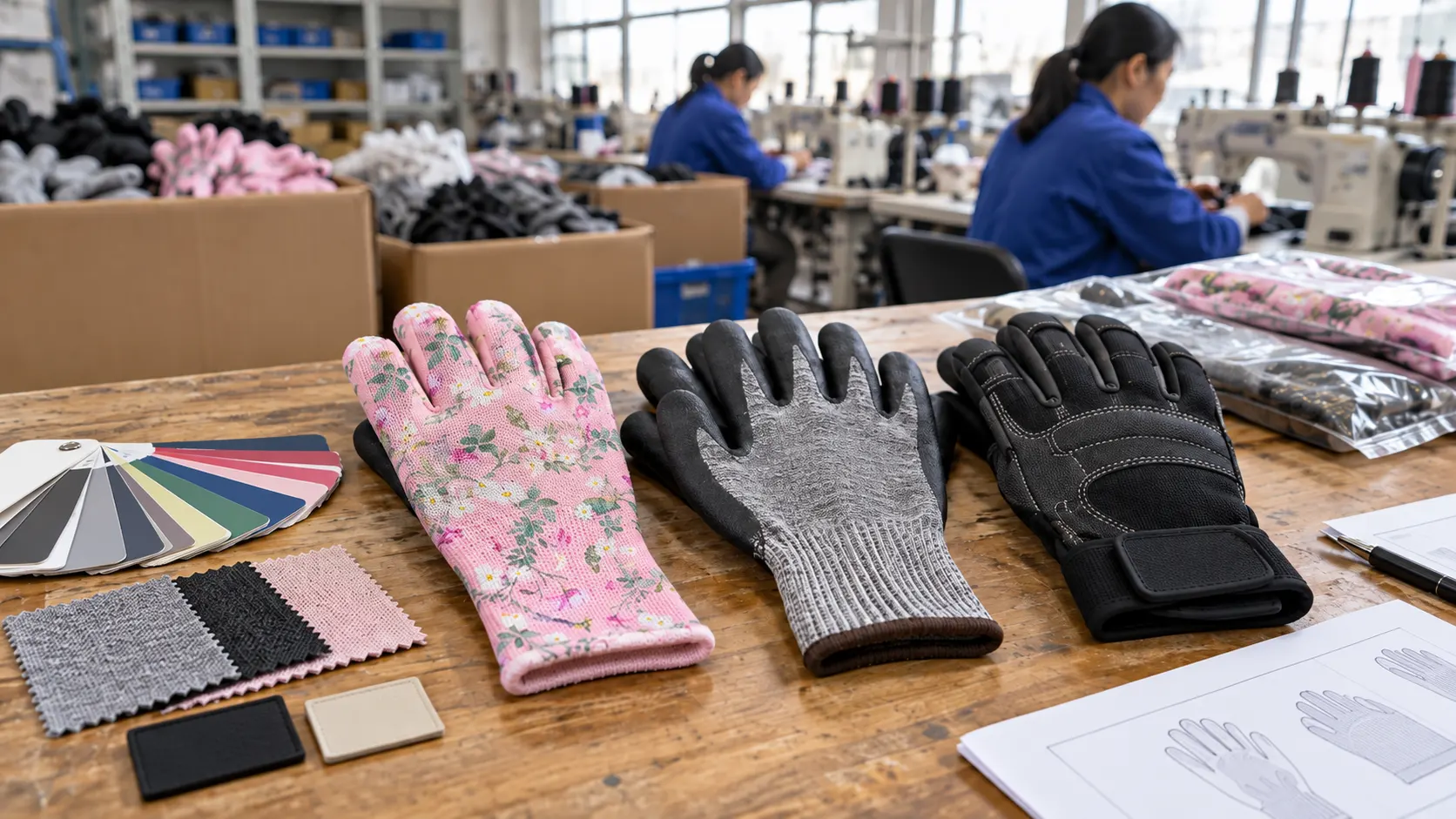
The first specification should describe what the glove must help workers do. A warehouse picking glove, a gardening glove, and a cut-resistant glove may all carry the same logo, but they need different liners, coatings, and grip patterns.
Start with five questions:
- What hazards are present: abrasion, sharp edges, impact, moisture, cold, vibration, or general handling?
- How much dexterity is required for tools, fasteners, screens, or small components?
- Will workers handle dry, oily, wet, dusty, or chemically exposed materials?
- How many hours will the glove be worn during a shift?
- Is the glove intended for one task or several workstations?
These answers determine whether the project should begin with a coated, knitted, leather, thermal, waterproof, shockproof, or cut-resistant construction. A logo should never be used to disguise a mismatch between the glove and the task.
PONWELL organizes its work-glove range around applications such as gardening, shock protection, cut resistance, waterproofing, nitrile and latex coatings, cold weather, and glued-glove constructions. Buyers can review the broader PONWELL product range before requesting a custom configuration.
Choose Materials by Protection and Handling Conditions
Material selection affects grip, flexibility, breathability, durability, and the appearance of the finished glove. The most suitable option depends on the task and should be confirmed against the final product specification.
Knitted liners
Synthetic knitted liners can provide a close fit and useful dexterity for handling work. Different knitting gauges and yarn combinations may change stretch, comfort, and resistance to abrasion or cuts. For a private-label project, the liner should be evaluated together with the coating because the two layers work as a system.
Nitrile and latex coatings
Nitrile coatings are commonly considered when buyers need dry or oily grip and resistance suited to general industrial handling. Latex can offer flexibility and grip, while textured, foam, or wrinkle finishes may change performance in wet or irregular conditions. Chemical resistance should never be assumed from the coating name alone; it must be checked for the specific chemical, concentration, temperature, and exposure time.
HPPE and cut-resistant constructions
High-performance polyethylene fibers, often identified as HPPE, may be selected for applications involving sharp edges. Protection depends on the complete construction, including yarn blend, knitting, coating, and tested performance level. Buyers should request the applicable test information rather than specifying “cut proof,” which is too broad for a technical purchase.
Thermal, waterproof, and impact features
Cold-weather gloves may require insulation and a construction that preserves dexterity at lower temperatures. Waterproof designs can use coated surfaces or membrane-based constructions, depending on the intended environment. Shockproof or anti-vibration gloves may incorporate padded or molded areas, but the location and thickness of those areas can affect tool control.
PONWELL’s OEM/ODM service describes material consultation involving nitrile, latex, and HPPE, along with options for thermal insulation, waterproof breathable membranes, enhanced grip patterns, touchscreen compatibility, and shock-related features. These remain project-specific choices that should be confirmed during sampling.
Plan Colors for Identification and Brand Consistency
Color customization serves two purposes: visual identity and operational control.
A brand may select a base color that matches its corporate palette, then use contrasting cuffs, fingertips, palms, or back-of-hand panels. In multi-team operations, different colors can identify departments, skill levels, sanitation zones, or task assignments. High-visibility colors may also support recognition in low-light or busy work areas, but color alone is not a substitute for a required visibility garment or safety control.
Ask the supplier to define the color reference used for production. A digital image on a screen is not a reliable color standard. Pantone references, approved physical swatches, or a signed sample can reduce disagreement between sampling and bulk production. Also confirm whether the coating, liner, printing method, and washing process may change the perceived color.
For repeat orders, keep an approved color record with the artwork file, material specification, size range, and sample approval date. This makes future replenishment easier to compare.
Select the Right Logo Application
Logo placement must suit the glove’s construction and the way it will be used. Common areas include the cuff, back of hand, wrist tab, or packaging. The palm and fingertips usually experience the most friction, so branding there may wear faster or interfere with grip.
Before approving artwork, confirm:
- The printable area and maximum logo dimensions
- Whether the mark must remain legible on textured or elastic surfaces
- The number of colors and any minimum line thickness
- The expected resistance to flexing, abrasion, washing, oil, or moisture
- Whether the logo is applied by printing, transfer, label, embroidery, molding, or another method
- Whether individual sizes require adjusted artwork positioning
Vector artwork is normally preferable for production. Supply the brand colors, clear-space rules, and acceptable one-color version. Request a physical decorated sample, because a logo that looks balanced on a flat proof may appear distorted when applied to a curved glove.
PONWELL specifically describes aesthetic customization with color combinations, logos, and other branding elements within its OEM/ODM manufacturing service. Buyers should still approve the decorated sample and packaging artwork before authorizing bulk production.
Balance Branding with Ergonomics
A custom glove must remain comfortable enough to be worn correctly. Excess material, a stiff printed area, an overly tight cuff, or a coating that reduces finger movement can cause workers to remove the glove or choose a different one.
Evaluate samples for:
- Finger length and thumb position
- Cuff security without excessive pressure
- Seam or coating ridges that create pressure points
- Grip when holding the actual tools or parts used on the job
- Compatibility with liners or other personal protective equipment
- Comfort after extended wear, not just during a short fitting
Use representative hand sizes from the workforce rather than approving only one sample size. If the gloves will be distributed across multiple sites, document the size ratio and carton labeling needed for replenishment.
Use Sampling to Control Customization Risk
A staged approval process helps separate design questions from production questions.
First, send a requirement brief with the application, hazard profile, material preference, color references, logo files, size range, packaging needs, target quantity, and delivery market. Next, review the supplier’s proposed construction and clarify which features are standard, modified, or newly developed.
The sample stage should verify fit, grip, logo appearance, color, cuff construction, and packaging. For protective claims, request the relevant test reports or specification documents for the exact construction being quoted. A test result for a different liner, coating, or size should not automatically be treated as proof for the new design.
Before bulk production, approve a reference sample and a written specification. It should identify the liner, coating, color, logo method, logo position, size tolerance, packaging, carton marks, and inspection requirements. This record becomes the baseline for production checks and repeat orders.
Evaluate the Supplier as a Technical Partner
A suitable supplier should be able to discuss trade-offs instead of accepting every requested feature without review. Ask how the supplier handles material substitutions, color variation, artwork changes, sample revisions, and nonconforming goods.
ПОНВЕЛЛ presents itself as a work-glove manufacturer serving the personal protective industry, with product categories covering gardening, shockproof, cut-resistant, waterproof, nitrile and latex, cold-weather, and glued gloves. Its company information also states that products are exported to 30 countries and regions and references a 25,000-square-meter facility. These statements establish the company’s stated scope, but buyers should confirm current capacity, quality documents, minimum order quantities, and production schedules for the specific project.
For technical questions, use the PONWELL contact team and provide enough information for a meaningful fit check.
A Practical RFQ Checklist
Include the following in a custom glove request:
- Application, hazards, and working environment
- Preferred glove category and required protection
- Liner, coating, insulation, membrane, or padding preferences
- Size range and estimated size ratio
- Color references and acceptable alternatives
- Logo files, placement, dimensions, and decoration method
- Packaging, labeling, and carton requirements
- Target quantity, sampling expectations, and delivery market
- Required technical documents or test evidence
- Inspection, approval, and change-control process
A detailed RFQ reduces back-and-forth and helps suppliers identify conflicts early, such as a logo area that overlaps a stretch zone or a color that is unsuitable for a textured coating.
Conclusion
Custom working gloves should be specified as protective work equipment first and branded merchandise second. Material, coating, fit, color, logo method, and packaging all influence the final result. The strongest projects connect each visual decision to a clear operational purpose, then confirm the complete design through sampling and documented specifications.
With an application brief and accurate artwork, PONWELL can evaluate whether its work-glove categories and OEM/ODM capabilities fit the project. The most useful RFQ will include the task, hazards, dimensions, materials, colors, logo files, quantity, and any required technical evidence.
Часто задаваемые вопросы
Can any work glove be customized with a logo?
Many glove constructions can carry branding, but the available method and placement depend on the surface, stretch, texture, coating, and intended durability. A decorated sample should be approved before bulk production.
Which material is best for custom industrial gloves?
There is no universal best material. Nitrile, latex, HPPE, thermal, waterproof, and impact-related constructions serve different conditions. Selection should follow the hazard, grip, dexterity, and environmental requirements.
Can custom gloves use multiple brand colors?
Multiple colors may be possible on the liner, coating, cuff, or back-of-hand panels. Confirm color references, production tolerances, and whether the selected decoration method reproduces the brand palette consistently.
What should be included in a custom glove RFQ?
Include the application, hazards, glove type, materials, coating, sizes, colors, logo artwork, placement, packaging, quantity, destination market, test-document needs, and approval process.
How does sampling help a private-label glove project?
Sampling allows the buyer to check fit, grip, color, logo legibility, decoration durability, packaging, and construction before committing to a larger quantity.