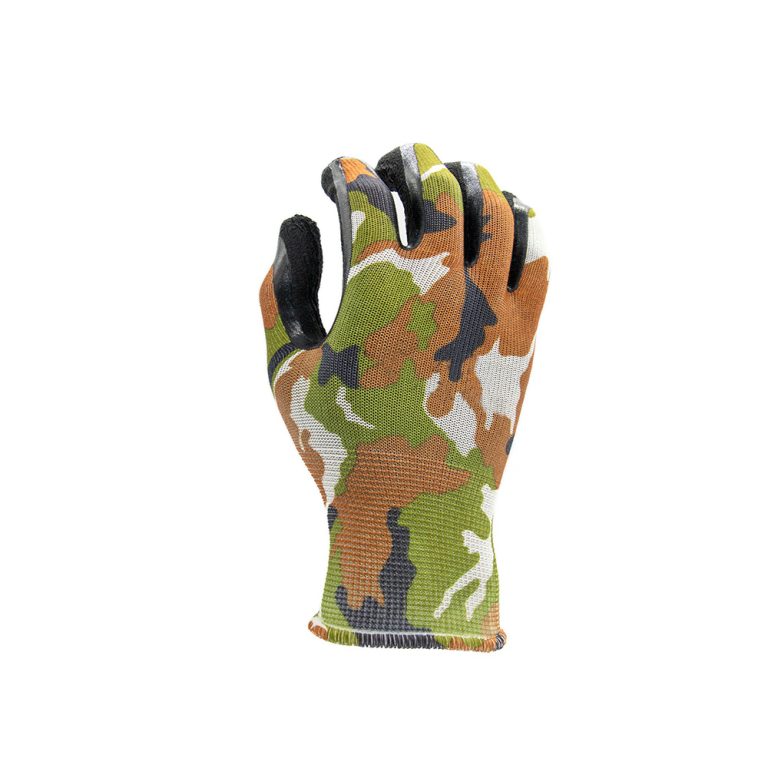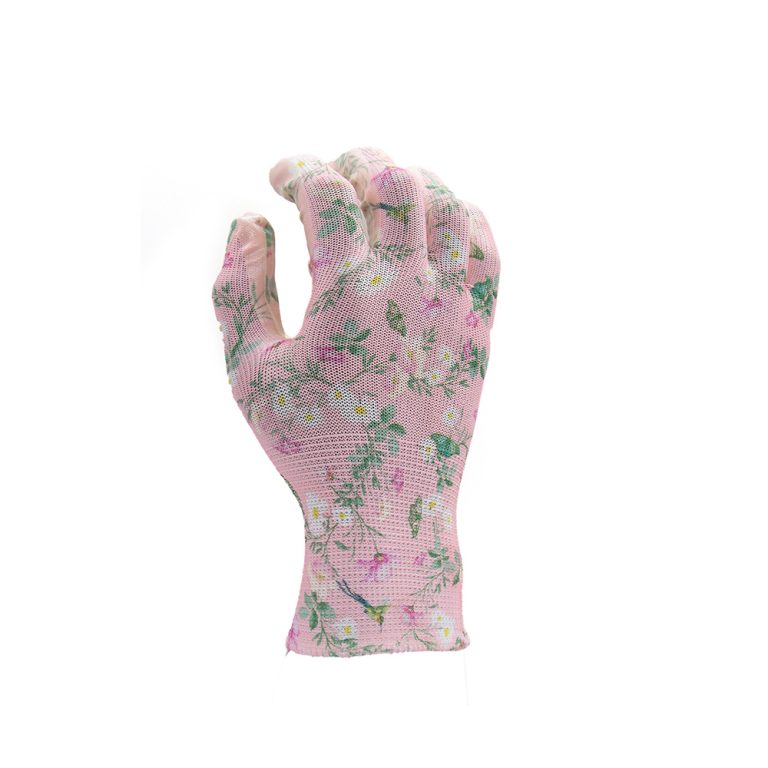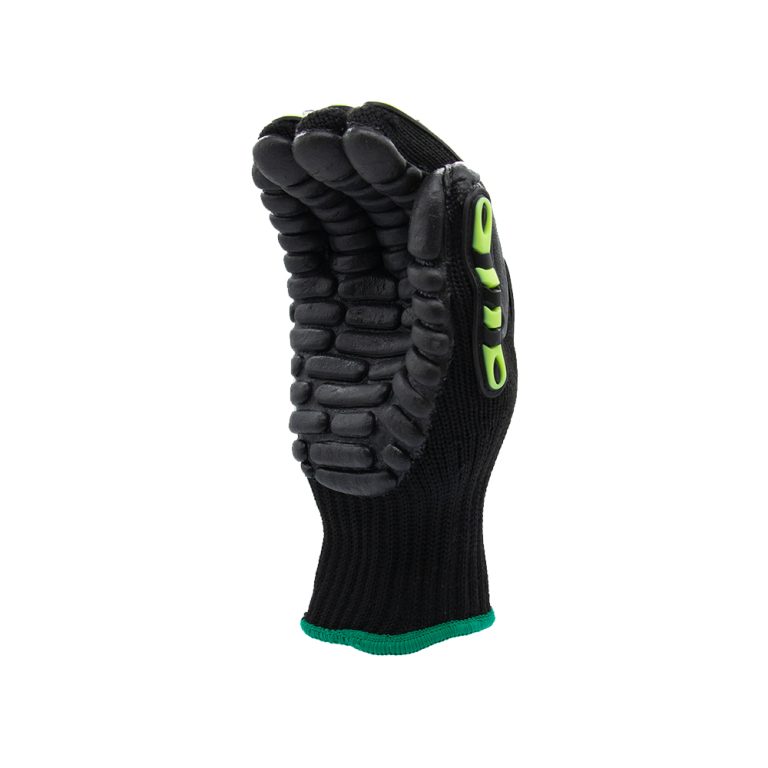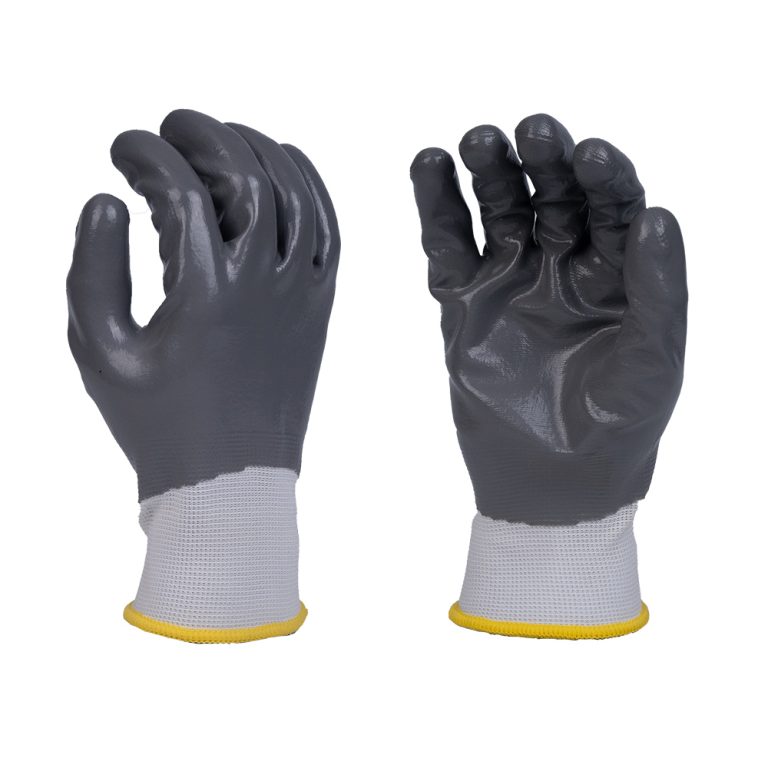

Nitrile coated work gloves can improve control when workers handle tools, components, cartons, and equipment surfaces, especially where light oil or repeated abrasion makes an uncoated knit glove less practical. The coating adds friction and wear resistance at the contact area, while the knitted liner can preserve flexibility and finger movement.
The right choice still depends on the task. “Enhanced grip” is not a complete specification: surface condition, coating coverage, texture, liner, fit, and hazard level all affect performance. Buyers should define those variables, compare documented product configurations, and validate candidates in the actual job before approving a bulk order.

Why Nitrile Coating Can Improve Grip
A nitrile coating is a synthetic rubber layer applied to part or all of a knitted work glove. On palm-coated designs, the coating creates a more stable contact surface while the uncoated back can release heat. This combination is useful where workers need both grip and dexterity rather than a thick, fully enclosed barrier.
Grip changes with the interface between glove and object. A smooth coating may suit dry or lightly oily parts when cleanliness and easy handling matter. Other surface finishes may be selected for different liquid or friction conditions. Buyers should not assume that one finish performs equally well on dry steel, oily fasteners, dusty cartons, painted controls, and wet hoses.
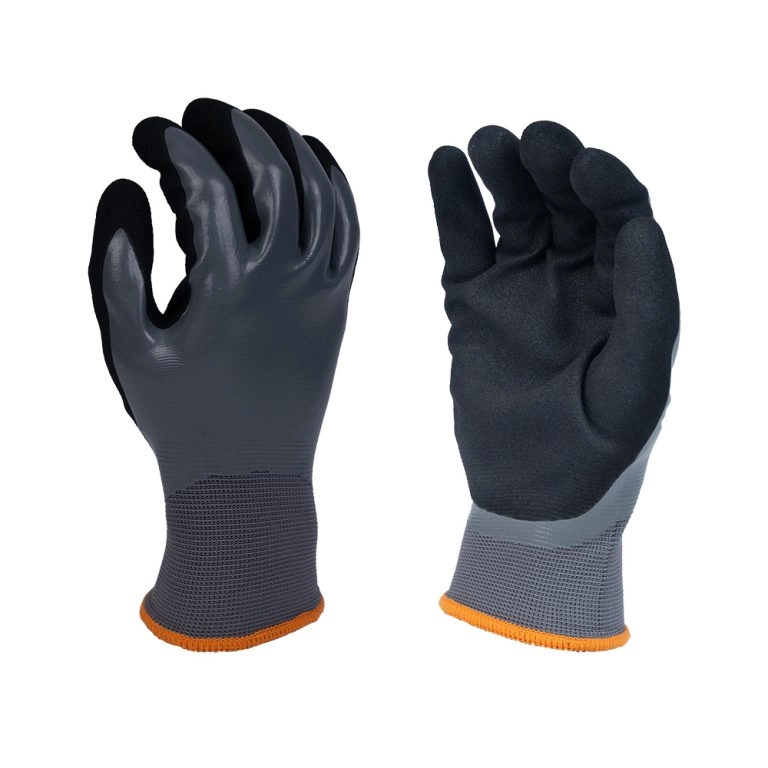
Fit matters just as much. Loose fingertips reduce tactile feedback, while an undersized glove can restrict movement and increase fatigue. A secure cuff, consistent finger length, and enough liner stretch help the worker maintain control without over-gripping.
What Are Nitrile Coated Work Gloves Used For?
Nitrile coated work gloves are commonly considered for industrial tasks that combine repeated contact, moderate abrasion, and a need for controlled handling. Typical applications include:
- Tool handling and maintenance: wrenches, drivers, inspection tools, machine controls, and lightly oily maintenance components. The worker still needs a glove that fits the tool diameter and permits safe trigger or control operation.
- Parts and assembly: small mechanical components, appliance parts, packaging, sorting, fastening, and inspection. Here, fingertip fit and dexterity may be as important as coating durability.
- Material and equipment handling: cartons, bins, metal components, and equipment surfaces in warehouses, workshops, and production areas. Coverage and abrasion performance should match the actual contact zones.
These are screening examples, not automatic approvals. Sharp edges call for verified cut protection from the glove construction, not just a nitrile coating. Chemical exposure requires compatibility data for the exact substance and contact conditions. Electrical, thermal, impact, vibration, and rotating-equipment hazards also need task-specific controls and suitable protective products.
Match Coating Coverage to the Task
Palm-coated designs place nitrile on the main gripping surfaces while leaving much of the knitted back open. They can support ventilation and finger movement during assembly, packaging, inspection, and general material handling. PONWELL’s 13-Nadel-bedruckte Nitrilhandschuhe use a fine-gauge seamless liner and smooth nitrile coating intended for dry and lightly oily industrial tasks. The exact configuration and protection requirements should be confirmed for each project.
Full coating extends the barrier around more of the hand and can be relevant where liquid contact is sustained rather than incidental. More coverage may also change heat buildup, flexibility, and tactile feel, so it should not be specified by default. PONWELL also lists fully coated smooth nitrile gloves for wet and oily work. Buyers should verify liquid compatibility, coating integrity, cuff design, and performance documentation for the intended exposure.
Coverage should follow the contact path. Observe where workers touch the part, where liquid migrates, and where gloves wear first. A palm coating may be sufficient for controlled handling; broader coverage may be justified when the back, sides, or wrist are repeatedly exposed.
Select by Hazard, Not by a Grip Claim
A useful specification begins with the employer’s hazard assessment. The OSHA hand protection standard requires appropriate hand protection based on the hazards present, glove characteristics, and task conditions. For a sourcing team, that means translating the work into measurable acceptance points.
Document at least the following:
- Objects handled, including dimensions, weight, edge condition, temperature, and surface finish.
- Contaminants such as oil, water, grease, dust, or a named chemical, including concentration and contact duration where relevant.
- Motions and frequency: gripping, twisting, fastening, pushing, carrying, or operating controls.
- Required protection evidence for abrasion, cut, puncture, liquid, or other applicable hazards.
- Dexterity needs, size range, cuff preference, shift length, and replacement triggers.
Do not treat oil resistance as universal chemical resistance. Compatibility can vary by substance, concentration, temperature, permeation time, and glove construction. Likewise, a coated palm does not make a glove cut resistant unless the complete glove has suitable, verifiable performance for that hazard.
Run a Grip and Dexterity Trial
A sample trial should reproduce the real task rather than rely on a showroom feel test. Use the proposed production configuration, not an unspecified substitute, and include workers representing the required size range.
- Record the glove model, size, liner, coating coverage, finish, and sample lot.
- Test representative dry, lightly oily, and other relevant surface conditions without creating uncontrolled hazards.
- Have workers perform normal handling motions, including picking up small parts, using controls, and holding the actual tools.
- Record slippage, over-gripping, finger control, heat buildup, cuff movement, visible wear, and reasons for glove removal.
- Inspect palms, fingertips, thumb crotches, coating edges, and liners at defined intervals, then compare results with written acceptance criteria.
A successful trial should show repeatable task control without introducing a new problem. If workers gain grip but lose needed dexterity, try a different liner gauge, fit, coating thickness, finish, or coverage. PONWELL’s broader guide to durable working gloves for repetitive tasks provides complementary guidance on wear patterns, lifecycle checks, and sample validation.
Build a Procurement Specification
After the trial, freeze the approved configuration. Include product identity, sizes by quantity, liner material, gauge, coating material and coverage, surface finish, color, cuff, packaging, labeling, inspection criteria, and required documents. Define how substitutions and production changes must be communicated.
For private-label or application-specific programs, confirm which changes require a new trial. PONWELL describes OEM and ODM capabilities that include material selection, ergonomic design, grip patterns, branding, coating, curing, inspection, and packaging. These capabilities can support development, but every requested feature and performance claim should be tied to the approved sample and applicable documentation.
Compare lifecycle value, not unit price alone. Replacement frequency, worker acceptance, dropped-part risk, changeover time, incoming inspection, and inventory by size can materially affect program cost. A consistent glove that fits the task may be more economical than a cheaper option that wears unevenly or is frequently removed.
Conclusion
Nitrile coated work gloves can be a strong choice for controlled handling of tools, parts, and equipment when the coating, liner, fit, coverage, and surface condition match the job. Start with the hazard assessment, separate grip needs from cut, chemical, electrical, impact, or thermal protection, and validate the proposed glove through a documented task trial.
PONWELL offers smooth nitrile-coated configurations for industrial and commercial applications, including palm-coated and fully coated options. Procurement teams can use the task, exposure, handled materials, size breakdown, quantity, and documentation needs to define a more reliable RFQ.
Häufig gestellte Fragen
Are nitrile coated gloves the same as disposable nitrile gloves?
No. Nitrile coated work gloves typically combine a knitted liner with nitrile on selected surfaces or around more of the hand. Disposable nitrile gloves are a different product category with different construction and intended uses.
Do nitrile coated gloves work with oily parts?
They may provide useful grip and oil resistance in suitable configurations, but performance depends on coating finish, coverage, oil type, exposure level, and glove condition. Test the exact glove with the actual task.
Are nitrile coated gloves cut resistant?
Not automatically. Cut protection depends on the complete glove, especially the liner and verified test performance. Choose a cut-rated configuration when sharp edges or blades are present.
How should buyers choose between palm-coated and fully coated gloves?
Use palm coating when grip, dexterity, and ventilation are priorities and exposure is concentrated at the palm. Consider fuller coverage when liquids contact more of the hand, then verify comfort, compatibility, and barrier performance.
Request a Task-Specific Nitrile Glove Quote
Planning a sample trial or bulk purchase? Contact the PONWELL technical team with the tools, parts, or equipment handled; surface conditions; identified hazards; preferred coating coverage; size breakdown; order quantity; required documentation; packaging needs; and delivery destination. PONWELL can use these RFQ details to review product fit and prepare a relevant glove configuration and quotation.