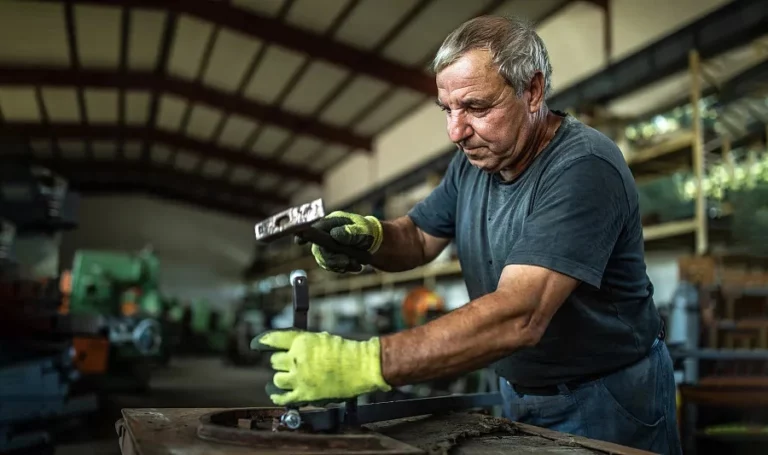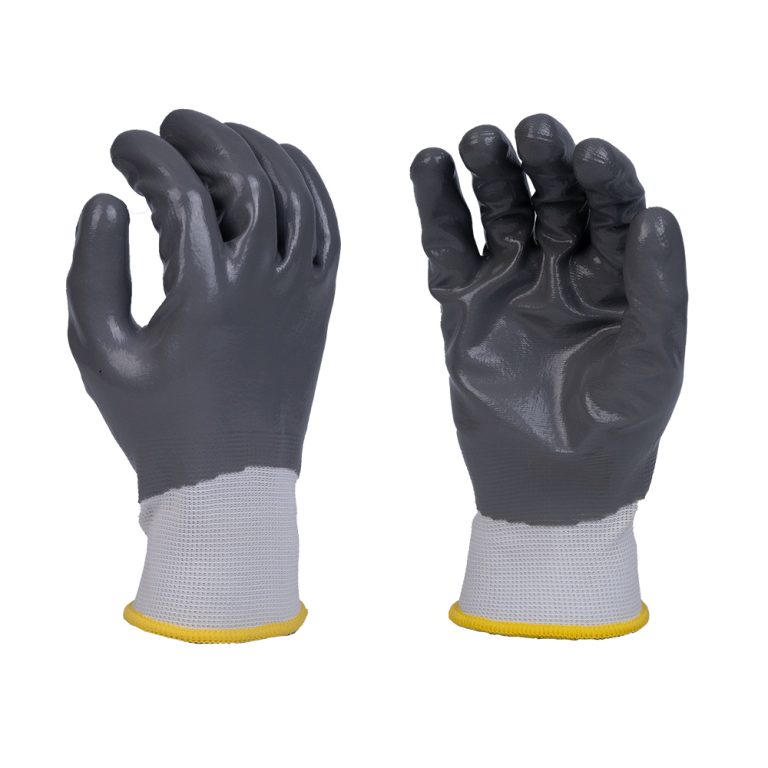

When workers repeatedly lift, sort, grip, push, pull, or operate tools, glove durability depends on more than a thick outer layer. The right industrial hand protection must match the contact surface, motion, hazard, climate, and expected replacement cycle. A glove that survives abrasion but reduces dexterity may slow production, while a flexible glove without enough protection may fail quickly in heavy-duty service.
For engineering, operations, and procurement teams, the goal is a balanced specification: sufficient resistance for the hazard, a stable grip for the task, and a fit workers can tolerate throughout the shift. This guide explains how to evaluate durable working gloves for heavy-duty and repetitive tasks and how to turn those requirements into a responsible RFQ.
What Makes a Working Glove Durable?
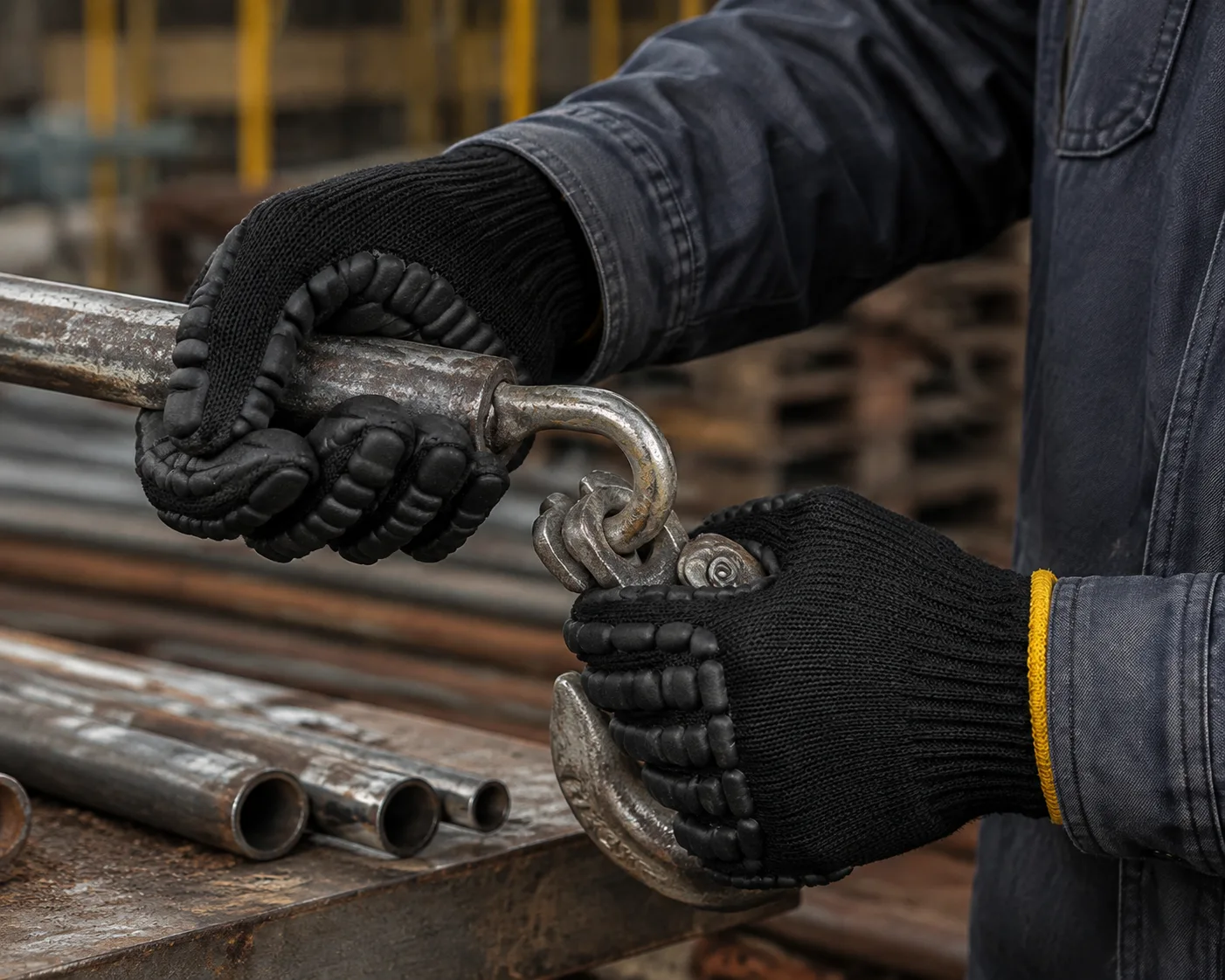
Durability is a system property created by the interaction of the liner, coating, construction, reinforcement, fit, and operating environment. Abrasion from cartons, metal edges, rough tools, and repeated contact can wear through a palm even when the back of the glove still looks sound. Flexing at the thumb, fingertips, and wrist can create a different failure pattern.
A practical assessment should consider abrasion, grip, dexterity, fatigue, fit, and the supplier’s ability to maintain consistent construction and product identification across repeat orders. The evaluation should be supported by a product specification and, where required, test evidence applicable to the intended market. “Heavy duty” is a starting description, not an acceptance criterion.
Match the Glove to the Repetitive Task
Material Handling and Warehouse Work
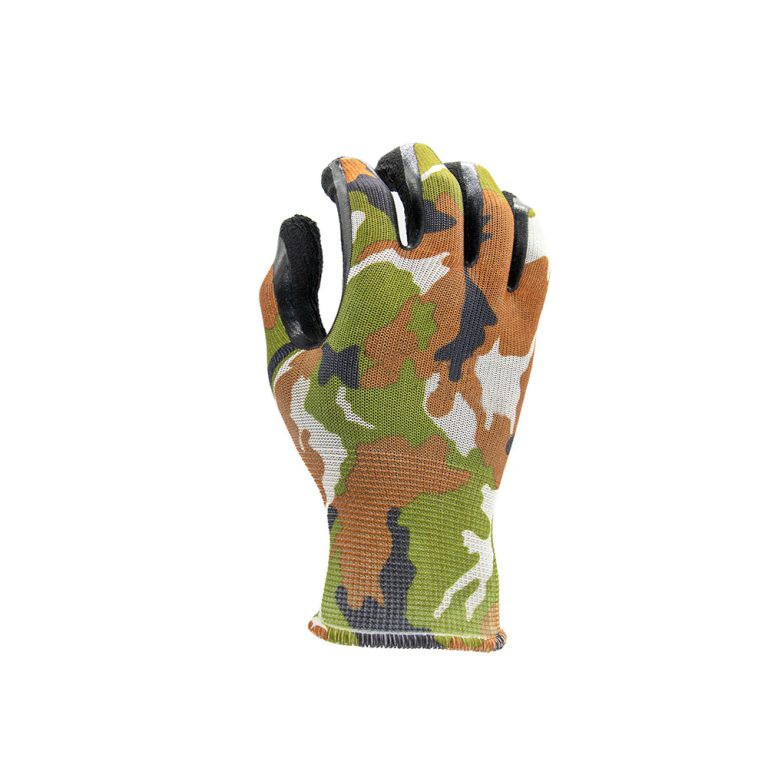
Carton handling, pallet work, sorting, and loading create repeated abrasion and grip demands. A coated glove can improve contact with smooth or slightly oily materials, while a flexible knitted liner supports finger movement. Buyers should compare palm coverage, coating texture, cuff stability, size range, and exposure to dust or moisture. Review PONWELL’s industrial work glove range and narrow the specification through sample trials.
Assembly, Inspection, and Precision Handling
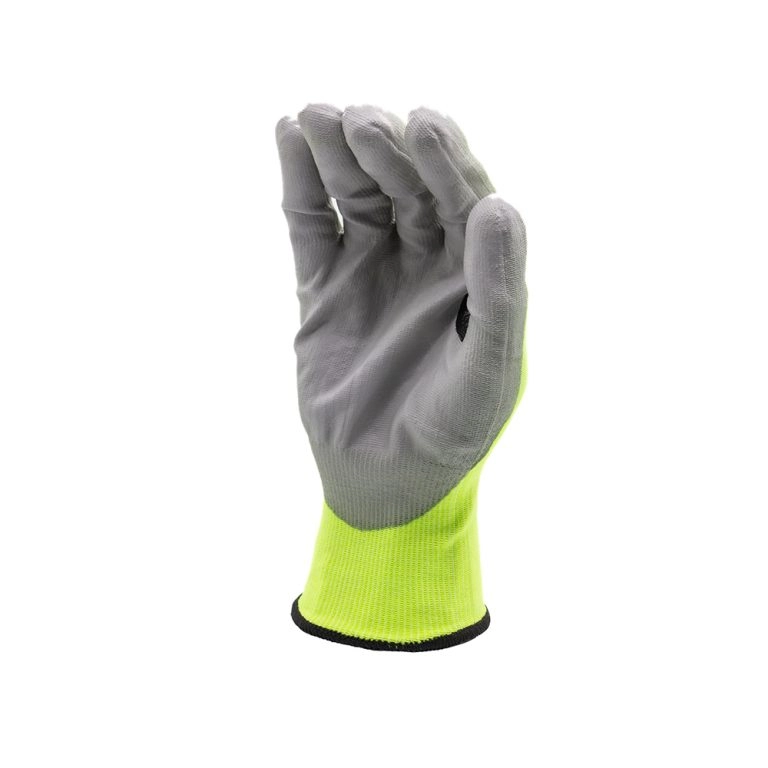
Repetitive assembly requires a different balance. Excess material, a loose fingertip, or a stiff coating can increase errors and encourage workers to remove the glove. Fine-gauge knitted liners and thin coatings may support dexterity, but the choice depends on component size, surface condition, protection needs, and shift length.
For sharp parts, a precision glove still needs verified cut or abrasion performance suitable for the hazard. Comfort is important, but it is not a substitute for protection. PONWELL’s cut-resistant glove category includes HPPE and coated configurations that should be matched to the required task and supporting documentation.
Power Tools, Impact, and Vibration
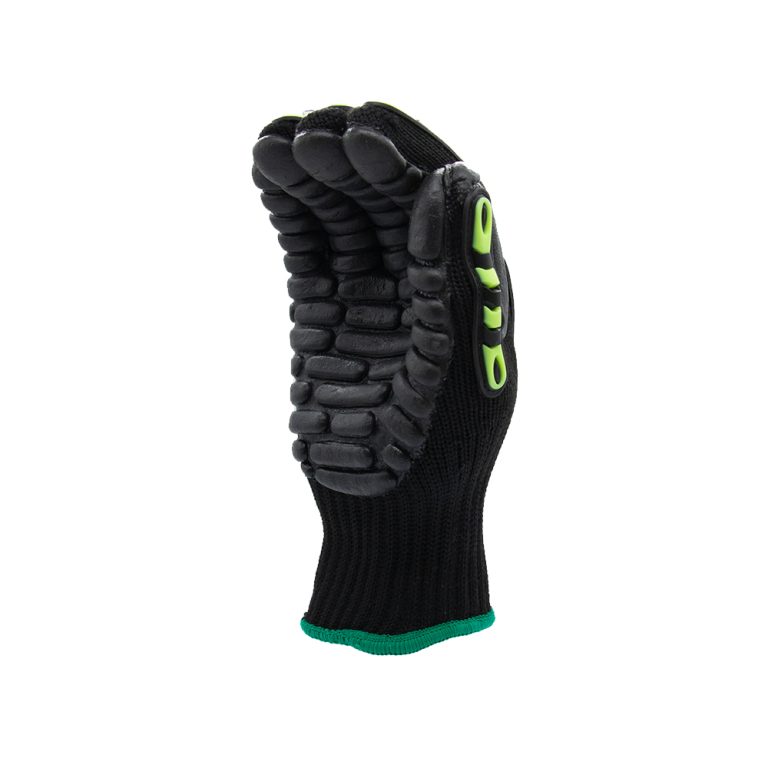
Drilling, grinding, sanding, compacting, and heavy-equipment work combine repetition with impact or vibration. Look for strategically placed padding, a secure palm, flexible fingers, and a back-of-hand construction that does not restrict tool control.
PONWELL lists shock-resistant gloves for construction, automotive repair, mining, industrial maintenance, and equipment operation. Suitability should be confirmed against the tool, duty cycle, contact points, and the employer’s hazard assessment.
Select Protection by Exposure, Not by Appearance
A selection matrix helps teams avoid buying one general-purpose glove for every operation:
| Hazard or condition | Useful design direction | Buyer verification point |
|---|---|---|
| Abrasion and rough handling | Durable palm coating or reinforced wear areas | Review abrasion evidence and inspect high-wear zones |
| Sharp edges or blades | Cut-resistant liner and compatible coating | Confirm the required cut level and test method |
| Oil, water, or industrial fluids | Nitrile or another suitable barrier construction | Verify compatibility with the exact fluid |
| Impact or vibration | Padding, impact zones, secure fit, and grip | Check coverage, tool compatibility, and performance evidence |
| Cold outdoor work | Thermal liner with usable grip and dexterity | Confirm temperature, moisture exposure, and sizing |
The matrix is a screening tool, not a substitute for a risk assessment. Combining features also creates tradeoffs. A thicker or fully coated glove may improve barrier performance but reduce breathability. Dense insulation may improve warmth but increase bulk, while padding may help with impact but make fine manipulation harder.
Why Fit and Ergonomics Affect Service Life
Workers use gloves consistently when the gloves stay in place, allow the required movements, and do not create avoidable pressure points. A poor fit can cause the user to over-grip a tool, pull at the fingertips, or remove the glove. These behaviors can increase hand exposure and product wear.
Specify the size range, palm and finger fit, cuff design, liner stretch, and whether the glove will be worn continuously or intermittently. Ask users to trial representative tasks rather than simply trying the glove on. Record grip confidence, fingertip control, moisture buildup, ease of putting on and removing the glove, and visible wear after a defined trial period.
For repetitive work, comfort should be measured alongside protection. A glove that is technically robust but rejected by operators may have a shorter practical service life because it is not worn as intended.
Build a Responsible Procurement Specification
Engineering needs information about materials, coatings, construction, protection data, and compatibility limits. Operations needs task suitability, sizing, worker acceptance, and replacement handling. Procurement needs stable product identification, packaging details, quality documentation, and clear communication.
Before requesting samples or pricing, document:
- Task description, handled materials, tools, contact surfaces, and duty cycle.
- Hazards including abrasion, cut, puncture, impact, vibration, moisture, oil, chemicals, heat, or cold.
- Required coating coverage, liner material, size range, cuff style, color, and branding.
- Applicable market or company standards and the evidence required for acceptance.
- Quantity by size, packaging format, delivery location, target schedule, and spare-stock policy.
- Inspection criteria for dimensions, coating coverage, visual defects, labeling, carton packing, and lot traceability.
This information reduces substitution risk. A similar glove may use a different liner, coating, gauge, cuff, or packaging configuration, changing performance and worker acceptance. Every approved sample should have a clear model or revision reference.
Evaluate the Supplier as Carefully as the Glove
A durable glove program depends on repeatable supply, not just a strong first sample. Ask how materials are controlled, how production changes are communicated, and how finished gloves are inspected. Confirm whether specifications, packaging details, and applicable test documents can be connected to the quoted model.
PONWELL describes an OEM/ODM manufacturing workflow covering material sourcing and inspection, knitting, coating or dipping, curing, finishing, final inspection, and packaging. It also describes custom development for glove materials, ergonomic design, grip patterns, thermal insulation, waterproof features, and branding. These capabilities support a technical fit discussion, but the final configuration, documentation, and compliance position still need to be confirmed for each project.
Supplier evaluation should include product identity and configuration control, evidence supporting protection characteristics, sample approval procedures, defect handling, inspection responsibilities, warranty boundaries, packaging, labeling, delivery coordination, and communication quality when the application changes.
Do not evaluate unit price alone. Compare expected wear, replacement frequency, worker acceptance, downtime caused by glove changes, incoming inspection effort, and the cost of holding the wrong sizes or configuration. Actual total cost of ownership depends on the task and must be validated with use data.
How to Validate Durability Before a Bulk Order
Use gloves from the intended production configuration in a controlled trial. Give representative workers the same task instructions and record the starting model, size, date, shift conditions, and exposure. Inspect palms, fingertips, thumbs, coating edges, cuffs, and liner integrity at defined intervals.
Compare the results with the acceptance criteria agreed in the RFQ. Note whether damage is normal wear, a fit issue, a material mismatch, or a manufacturing defect. If failure is concentrated in one area, the next step may be a different coating, reinforcement, gauge, size, or coverage rather than simply a heavier glove. Reconfirm the specification after any change and retain an approved sample for future comparison.
Conclusion
Durable working gloves for heavy-duty and repetitive tasks should be selected through task analysis, not a generic durability label. Match the design to abrasion, grip, cutting, impact, vibration, liquid, and temperature exposure. Then validate fit, worker acceptance, configuration consistency, documentation, and lifecycle cost through a controlled sample trial.
PONWELL’s range includes cut-resistant, shock-resistant, waterproof, cold-weather, and other industrial glove configurations. Buyers can contact the technical team with the task, hazard, size needs, materials handled, duty cycle, quantity, and delivery requirements for a product fit review.
Häufig gestellte Fragen
What are the most important features in durable working gloves?
Start with hazard-specific protection, abrasion resistance, grip, fit, and construction consistency. The priority changes with the task and operating environment.
Are thick gloves always more durable?
No. Thickness can improve some forms of protection but may reduce dexterity, breathability, or worker acceptance. Durability should be evaluated against the actual failure mode.
Which gloves suit repetitive material handling?
Flexible coated gloves with a stable fit are often considered, but the coating, liner, and protection level should match the handled material, surface condition, and hazards.
How should a company test gloves before bulk purchasing?
Run a documented trial using the proposed production configuration, representative tasks, defined inspection intervals, and acceptance criteria agreed before ordering.
Can one glove protect against every industrial hazard?
Usually not. A glove optimized for cut, liquid, cold, impact, or precision work may involve tradeoffs. Select by exposure and verify the specific model.