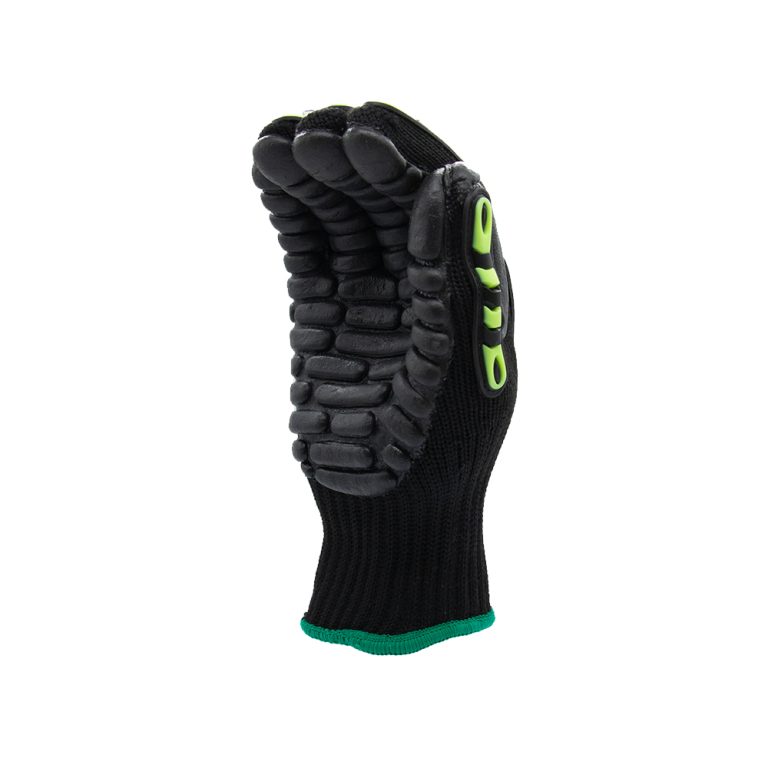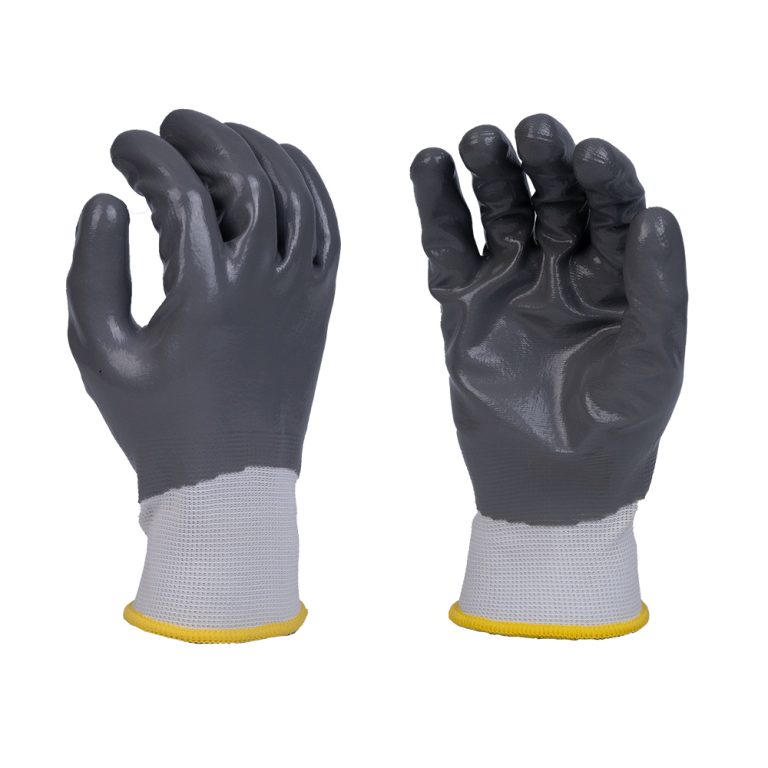

Heat-resistant work gloves should be selected by the actual heat source, contact time, handling task, and secondary hazards—not by a temperature number alone. Industrial and construction buyers may need protection from hot surfaces, radiant heat, sparks, molten splash, abrasion, sharp edges, or wet and oily materials. A suitable glove balances thermal protection with grip, dexterity, cuff coverage, durability, and verified test information.

What Makes a Working Glove Heat Resistant?
Heat protection depends on how heat reaches the hand. Conductive heat comes from touching a hot component. Radiant heat comes from furnaces, molds, pipes, or other hot equipment nearby. Convective heat is transferred through hot air or gases, while sparks and molten particles create short-duration exposure with different risks.
A glove designed for brief contact with a warm component may be unsuitable for continuous handling of a hot load. Likewise, a glove that resists radiant heat may not provide enough insulation for direct contact. Buyers should therefore ask suppliers to identify the intended exposure type, maximum contact duration, and testing method for each model.
Heat resistance is also only one part of hand protection. On a construction site or production line, the same worker may face abrasion from concrete, cuts from sheet metal, puncture hazards, oil contamination, and reduced grip caused by moisture. The best specification is the one that addresses the complete task without adding unnecessary bulk.
Common Materials and Construction Options
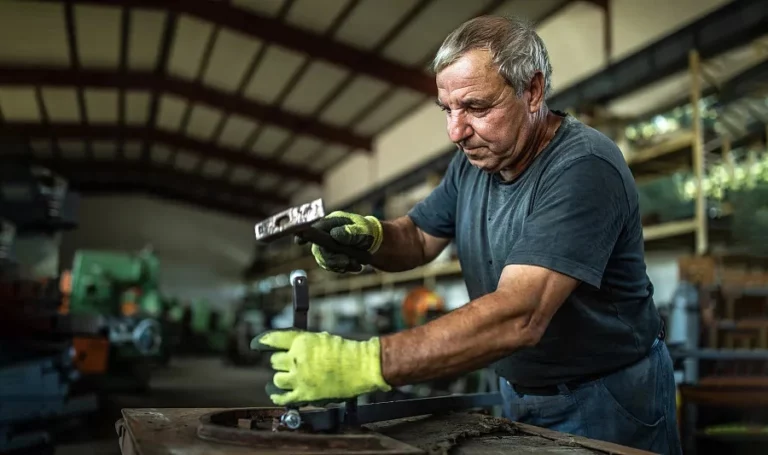
Industrial heat-resistant gloves may use several material systems. Leather is often selected for welding, fabrication, and rough handling because it can provide mechanical durability and a substantial barrier against sparks. Textile constructions, including terry or other heat-tolerant fabrics, may support insulation and comfort where flexibility is important. Aramid and other technical fibers can be considered when heat and cut hazards appear together.
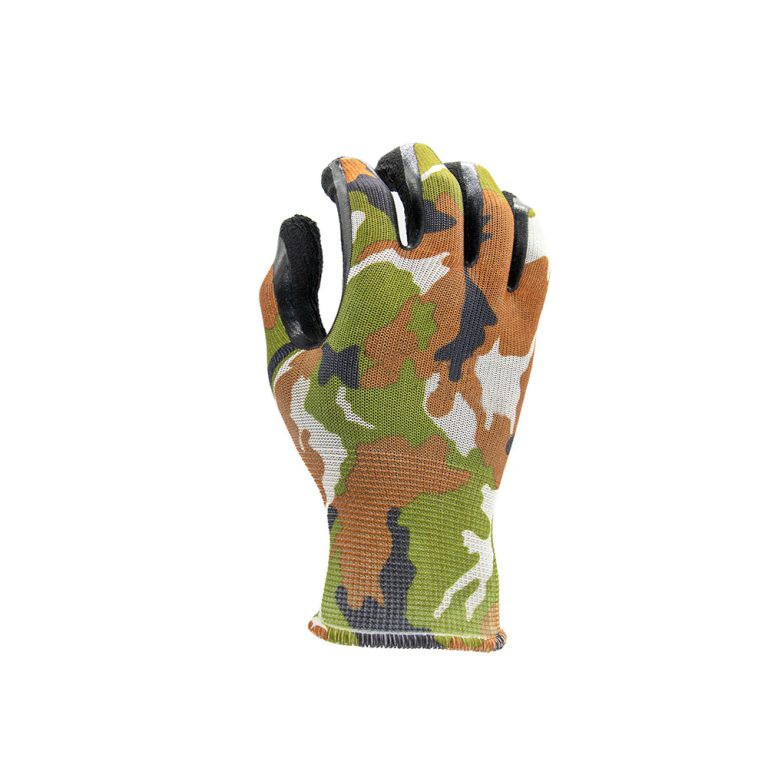
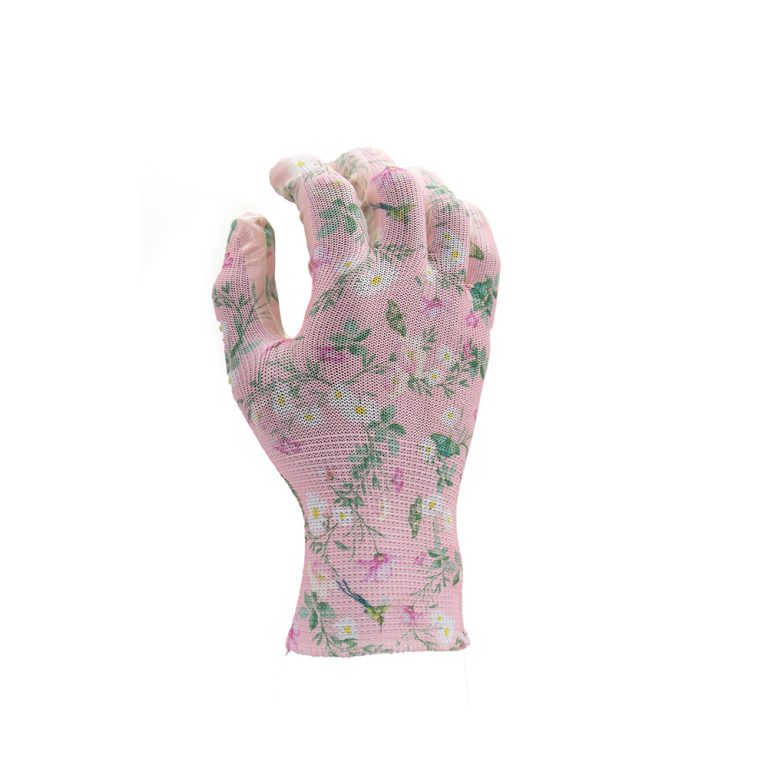
Coatings change the glove’s handling behavior. Latex, nitrile, silicone, and other coatings may improve grip, abrasion resistance, or liquid handling, but their temperature performance depends on the formulation, thickness, backing material, and exposure conditions. A coated palm should never be assumed to have the same heat performance as the complete glove assembly.
Layering is another important design factor. A liner can add insulation and absorb perspiration, while a reinforced palm or fingertip can extend service life during repetitive handling. However, additional layers may reduce dexterity or increase hand fatigue. Ask for the complete construction, not only the name of the outer material.
Choosing Gloves for Industrial Applications
A practical selection process starts with the work instruction:
- Describe the heat source. Record surface temperature, radiant exposure, sparks, flame, hot liquid, and whether contact is incidental or continuous.
- Define the handling cycle. Note contact time, cooling time, repetition rate, lifting distance, and whether the worker must handle small parts or tools.
- List secondary hazards. Include sharp edges, abrasion, chemicals, oil, moisture, impact, and pinch points.
- Set the ergonomic requirement. Determine whether the job needs fine finger control, a secure grip, long cuffs, or compatibility with other PPE.
- Verify the specification. Request test results, applicable standards, size information, and limitations for the exact model.
This method prevents a common procurement error: choosing the thickest glove available without checking whether workers can grip, release, and control the load safely. A glove that causes frequent removal or poor tool control may increase operational risk.
For buyers reviewing broader hand-protection options, the PONWELL product range includes industrial categories such as cut-resistant, waterproof, shockproof, cold-weather, and glued gloves. Those categories can help procurement teams separate thermal protection from other performance requirements before requesting a specialized specification.
Heat-Resistant Gloves in Construction
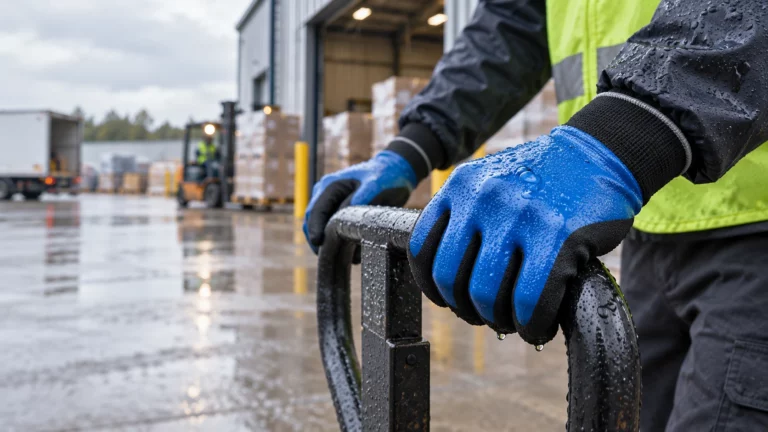
Construction work rarely involves one hazard in isolation. Workers may handle heated pipe, roofing materials, asphalt equipment, metal framing, power tools, masonry products, or recently cut components. Outdoor conditions can add rain, dust, cold weather, and changing grip requirements.
For general construction, prioritize a glove that supports secure handling and reasonable dexterity. Long cuffs may be useful when sparks or hot debris can enter at the wrist. A reinforced palm can be valuable for rough materials, but excessive thickness may make it harder to operate fasteners or controls.
When hot materials are moved mechanically, the glove should complement—never replace—safe lifting tools, guards, tongs, and established handling procedures. Workers should not rely on gloves to justify direct contact with a load that should be moved by equipment. The supplier should state whether the glove is intended for brief contact, intermittent handling, or a defined continuous exposure.
Grip, Fit, and Cuff Design
Grip is a thermal-safety issue because a slipping component can expose the worker to heat much faster than expected. Dry surfaces, oily surfaces, wet surfaces, and textured materials require different palm treatments. Crinkled, foam, smooth, or patterned coatings can behave differently under pressure and contamination.
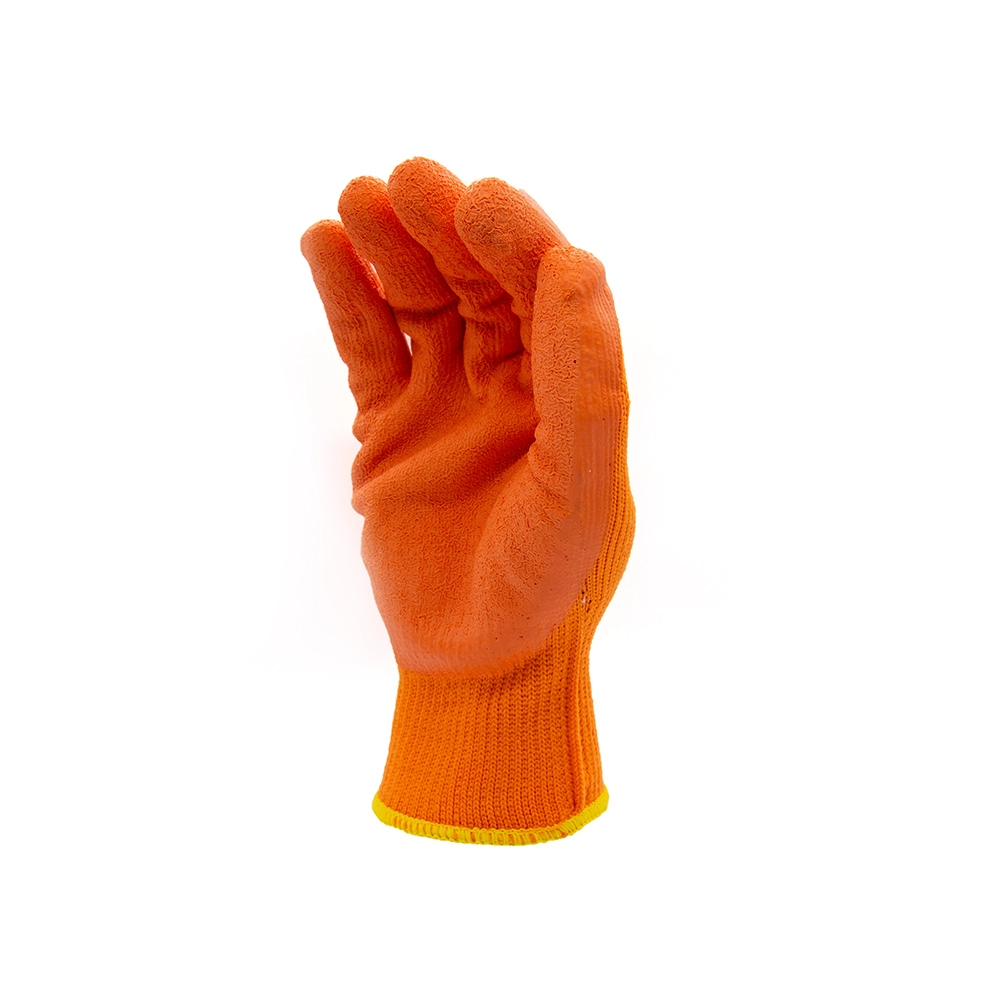
Fit should be checked across the thumb, fingertips, palm, and wrist. Oversized gloves can catch on machinery and reduce control. Undersized gloves can restrict circulation and accelerate fatigue. Buyers should evaluate the size range, cuff length, seam placement, and whether the glove remains usable with required sleeve or wrist protection.
Breathability also matters during long shifts. PONWELL’s published 7-needle terry latex designs describe absorbent terry material, open-back airflow, and reinforced finger construction for grip-oriented industrial work. These features may be relevant when comfort and handling are priorities, but their suitability for a specific heat exposure should still be confirmed against the product specification.
How to Verify Supplier Information
A supplier response should contain more than a general claim such as “high heat protection.” Request:
- The exact model and size range.
- Intended hazard and contact mode.
- Test method and performance classification, where applicable.
- Maximum stated exposure conditions and limitations.
- Palm, liner, cuff, seam, and reinforcement materials.
- Compatibility with oils, moisture, chemicals, or sharp edges.
- Care, inspection, replacement, and storage instructions.
- Samples for fit and task-level evaluation.
For custom programs, ask whether the supplier can adjust the liner, coating, cuff, color, branding, or packaging without changing the validated performance. PONWELL describes OEM/ODM glove manufacturing for customized product development and production. This can be useful when a distributor or contractor needs a defined combination of grip, thermal insulation, cut resistance, and branding.
Inspection, Care, and Replacement
Heat-resistant gloves should be inspected before each shift. Look for hardened or glazed coating, thinning, burn marks, exposed liner, damaged seams, contamination, and loss of shape. A glove can look intact while its insulation has degraded after repeated heating, washing, or chemical exposure.
Replacement criteria should be written into the site’s PPE procedure. Do not continue using a glove simply because the damage is small if the affected area is the primary contact surface. Cleaning instructions must follow the supplier’s guidance; unsuitable washing or drying can shrink the liner, weaken coatings, or change fit.
Workers should also be trained to report unexpected heat transfer, loss of grip, or discomfort. These signs may indicate that the glove is being used outside its intended application.
Buying from an Industrial Glove Manufacturer
For recurring orders, procurement teams should assess consistency as well as the initial sample. Confirm how the supplier controls material changes, size grading, coating application, color variation, packaging, and batch traceability. A written specification helps prevent substitutions that alter thermal or mechanical performance.
PONWELL presents its business around industrial and safety work gloves for distributors, factories, and safety buyers. Its company profile and product pages provide a starting point for reviewing the available construction types. Buyers should still request current technical documentation for the model being considered.
A clear RFQ should include the heat source, approximate temperature range, contact duration, task frequency, secondary hazards, required sizes, annual quantity, packaging needs, and destination market. If the application is unusual, include photographs, drawings, or a short video of the handling process.
Conclusion
Heat-resistant working gloves are application-specific PPE. The right choice depends on exposure type, contact duration, grip, fit, cuff coverage, secondary hazards, and verified test information. Industrial and construction buyers should evaluate samples under realistic working conditions, document replacement rules, and confirm that the supplier can maintain the agreed specification.
PONWELL can be considered for industrial glove sourcing and customized development, but every thermal claim should be checked against the exact product data. To discuss a project, contact the PONWELL technical team with the heat source, handling cycle, material, required protection, sizes, and quantity.
FAQs
Are heat-resistant gloves suitable for every hot-work task?
No. Suitability depends on the heat-transfer mode, exposure duration, material, construction, and tested performance. Confirm the exact application with the supplier.
Can cut-resistant gloves also provide heat protection?
Some constructions may address both hazards, but cut resistance does not automatically mean heat resistance. Request documentation for both performance requirements.
Are thicker gloves always safer?
Not necessarily. Excessive thickness can reduce dexterity, grip, and tool control. Select the lowest bulk that meets the verified hazard requirements.
How often should heat-resistant gloves be replaced?
Replace them when insulation, coating, seams, fit, or grip has deteriorated, or when the supplier’s replacement guidance requires it. Inspection frequency should reflect the work intensity.