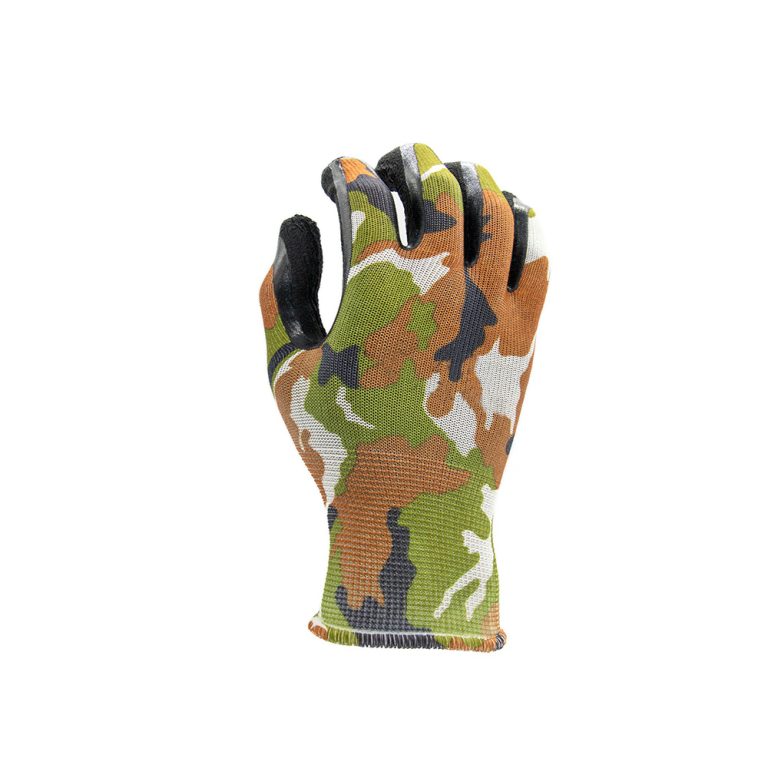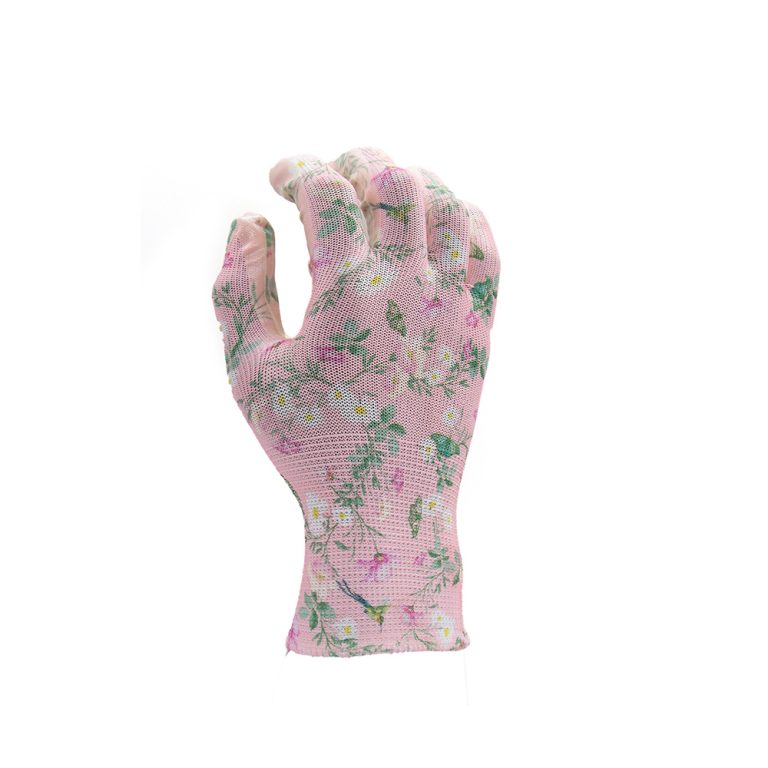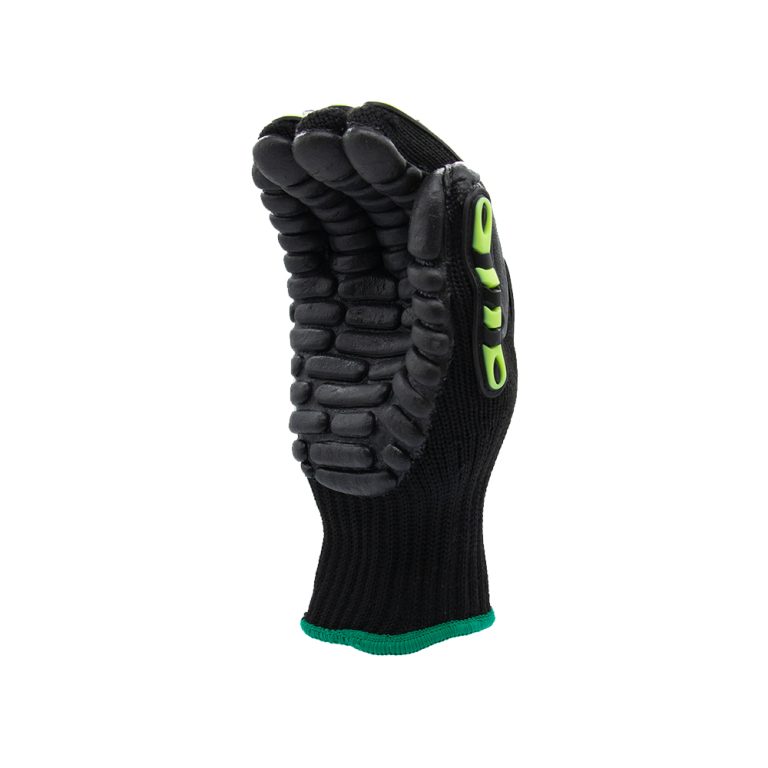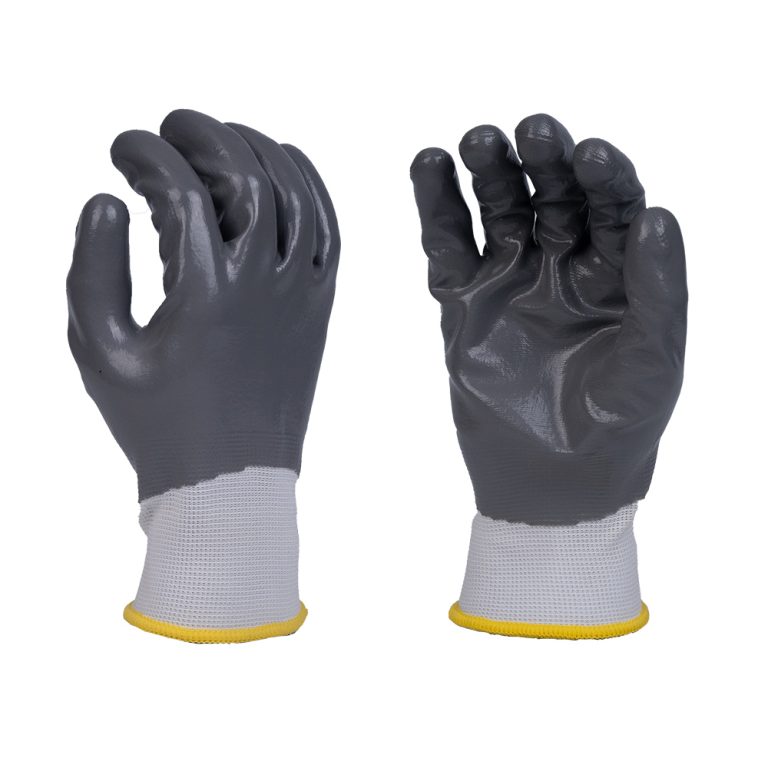

How to choose cut-resistant gloves for a workforce starts with the task, not a catalog description. A useful custom specification connects the cut hazard with a tested protection level, then balances grip, dexterity, coating, coverage, and fit. Base sizes on measured hands and a wear trial rather than a one-size assumption.
For US workplaces, this approach reflects OSHA’s hand-protection selection rule, which calls for selection based on performance relative to the work, conditions, duration, and identified hazards. Customization should solve a defined operational problem before color or logo choices enter the brief.

Start With a Job-Specific Hazard Profile
Employees who both handle metal may still need different gloves: one moves sharp-edged sheet, while another handles small parts requiring tactile control. Document the task at hand level before discussing yarn or coating.
Record what can contact the hand, where contact occurs, and how much force is possible. Note whether exposure is occasional or continuous, whether the material can shift, and whether the worker handles a sharp edge, a burr, a blade, wire, or broken glass. A cut rating addresses a defined test property; it does not automatically cover puncture, impact, heat, chemicals, or entanglement risk.
The hazard profile should also capture the working environment:
- dry, wet, or oily contact surfaces;
- large stock versus small components;
- sustained grip versus short handling cycles;
- required fingertip precision and touchscreen use;
- contact at the palm only or around the back of the hand, wrist, and forearm;
- temperature, contamination, laundering, and expected wear conditions.
If a task includes chemical, thermal, electrical, impact, or machinery hazards, assess those separately. A higher cut level does not make a glove suitable for every hazard, and rotating equipment may require controls other than gloves.
How to Choose Cut-Resistant Gloves for Each Job
Select a Verified Cut Rating, Not a Marketing Term
No textile glove should be treated as “cut-proof.” For the US market, request test data and markings that identify the relevant standard and edition. The ANSI/ISEA 105-2024 classification uses levels A1 through A9 for cut resistance. The correct level depends on the assessed exposure; simply specifying the highest number can add bulk, cost, or fatigue without addressing another hazard.
For a custom program, state the required rating in the technical brief and ask which area of the glove was tested. If materials or protection differ between the palm and back, clarify the coverage. Confirm the laboratory report, test method, standard edition, product construction, and sample identity before approving a claim for production.
Match Liner, Gauge, and Coating to the Task
Cut-resistant liners may use HPPE or other engineered yarns. Composition influences protection, flexibility, weight, and hand feel, while knit gauge affects thickness and dexterity. A fine-gauge construction may suit small-part handling, but the complete glove must still meet the required criteria.
Coating choice is also task-specific. Polyurethane is commonly considered for a thin, precise grip. Nitrile can be considered for abrasion and grip in dry or oily handling. Surface texture and coverage should be tested under real conditions.
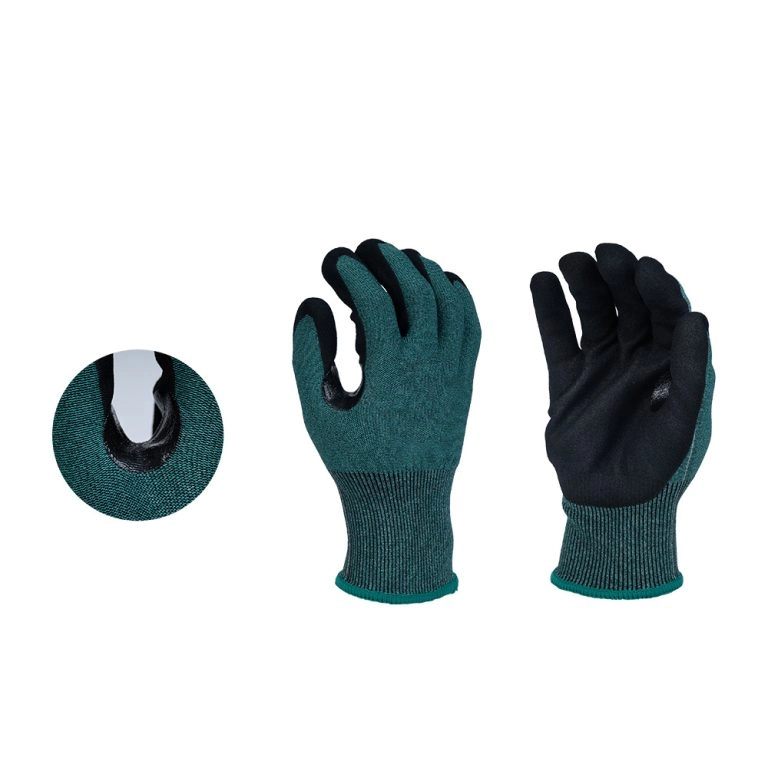
PONWELL’s cut-resistant glove range includes HPPE constructions in 15-, 18-, and 21-needle options with polyurethane or nitrile coatings. Its 18-needle HPPE glove with abrasive nitrile coating is presented for metal fabrication, glass handling, assembly, maintenance, and varied grip conditions. Final suitability and ratings must be verified against the buyer’s task and approved specification.
Build a Size Range From Workforce Measurements
Poor fit can undermine both protection and productivity. An oversized glove can bunch at the palm, reduce control, and snag. An undersized glove can restrict movement, increase pressure at the fingertips, and fatigue the hand. A nominal medium also does not fit every hand with the same circumference because finger length and hand shape vary.
Measure each participant’s dominant hand. Record palm circumference across the knuckles, excluding the thumb, and length from the wrist crease to the middle-finger tip. Translate those dimensions with the proposed manufacturer’s chart; size labels are not necessarily interchangeable.
For a workforce program:
- Measure a representative group from every role, shift, and site included in the order.
- Include workers at the smallest and largest ends of the hand-size distribution.
- Compare measurements with sample sizes rather than ordering from labels alone.
- Record the accepted size for each wearer and aggregate quantities by size.
- Keep a method for fitting new employees and replacing gloves without guesswork.
If standard sizes leave repeated gaps, discuss altered finger length, palm width, cuff dimensions, or an extended range. These changes may affect setup, minimum quantities, cost, and validation.
Validate Fit and Performance With a Wear Trial
A sample that looks correct on a desk may behave differently after an hour of gripping parts. Run a structured wear trial with the intended glove construction and proposed sizes. Participants should perform normal motions, handle representative materials, use required tools, and report pressure points, slipping, heat buildup, loss of tactile feedback, and coating wear.
Use pass/fail criteria that can be repeated. Check whether fingertips reach the glove ends without excessive space, the thumb crotch seats correctly, the palm stays flat during flexion, and the cuff remains secure. Then assess whether users can maintain the required grip and complete precision tasks without removing the glove.
The trial does not replace certified performance testing. It verifies usability and fit for the application, while laboratory documentation supports rated properties. Both should refer to the same construction that will become the approved production sample.
Turn the Findings Into a Custom Glove Specification
A clear RFQ separates mandatory safety and functional requirements from optional branding. This helps a manufacturer evaluate feasibility without quietly changing a critical feature. The brief should include:
- task description and materials handled;
- identified hazards and required performance classifications;
- liner material, knit gauge, coating material, texture, and coverage;
- size range, measurement method, and planned quantity by size;
- cuff, color, logo, label, and packaging requirements;
- test reports, declarations, or other documentation required by the destination market;
- trial conditions, sample approval criteria, order quantity, and reorder expectations.
PONWELL describes OEM/ODM glove development covering material selection, ergonomic patterns, grip features, colors, logos, and production to buyer specifications. Each option is project-dependent; confirm feasibility for the construction, size mix, quantity, testing, and packaging before purchase.
During sample approval, freeze measurable attributes rather than relying only on a photograph. Record dimensions by size, materials, yarn and coating construction, coverage, color references, logo position, packaging, workmanship criteria, required reports, and the approved sample identifier. Also define how substitutions or process changes will be communicated and reapproved.
Conclusion
Custom cut-resistant gloves work best when customization begins with hazard and task data. Select a verified cut rating, build the liner and coating around grip and dexterity needs, measure the workforce, and validate the proposed sizes in a controlled wear trial. Only then should branding and packaging complete the specification. This process gives safety, operations, and procurement teams one shared basis for sample approval and repeat orders.
Preguntas frecuentes
Are Anti-Cut Gloves Completely Cut-Proof?
No. Cut-resistant gloves are designed and tested to resist specified cutting forces, but no glove eliminates all cut risk. Selection must reflect the task, exposure, coverage, and other hazards, supported by appropriate work practices and controls.
Should Every High-Risk Job Use the Highest Cut Level?
Not automatically. The selected level should match the hazard assessment. Excess protection may reduce dexterity or comfort, while the highest cut rating still may not address puncture, impact, heat, chemical, or machinery hazards.
How Many Glove Sizes Should a Company Stock?
There is no universal number. Measure a representative workforce, trial the proposed construction, and stock the size distribution that fits actual users. Include a process for new hires, replacements, and workers outside the initial range.
What Should Buyers Send for a Custom Glove Quote?
Send the job description, hazards, required performance level and documentation, materials handled, grip conditions, size data, desired construction, quantity by size, branding, packaging, destination market, and target schedule.
For an application review or RFQ, contact the PONWELL technical team with the task, hazard assessment, required ratings, hand measurements, size quantities, coating and grip needs, documentation, packaging, and expected order volume.