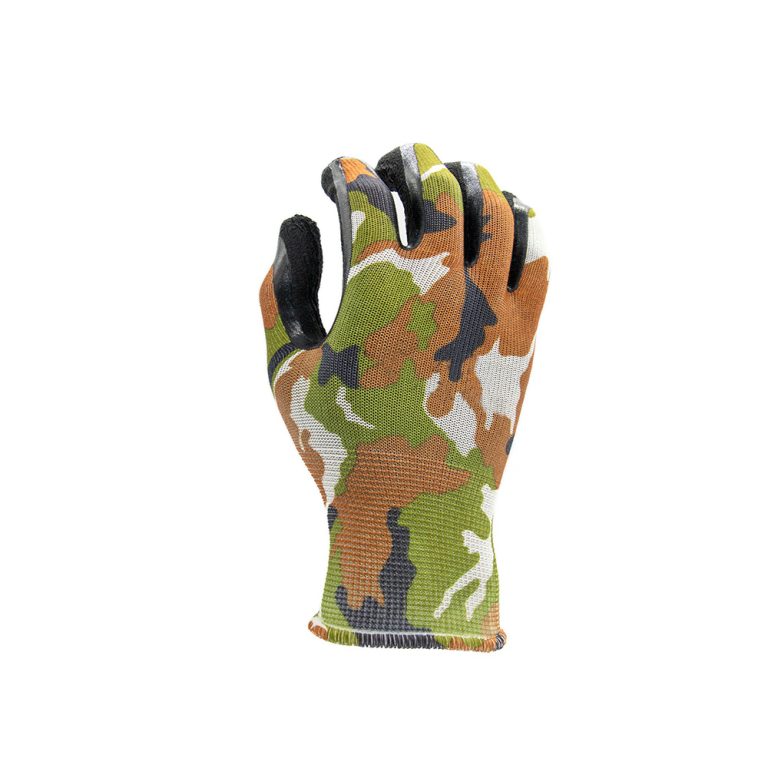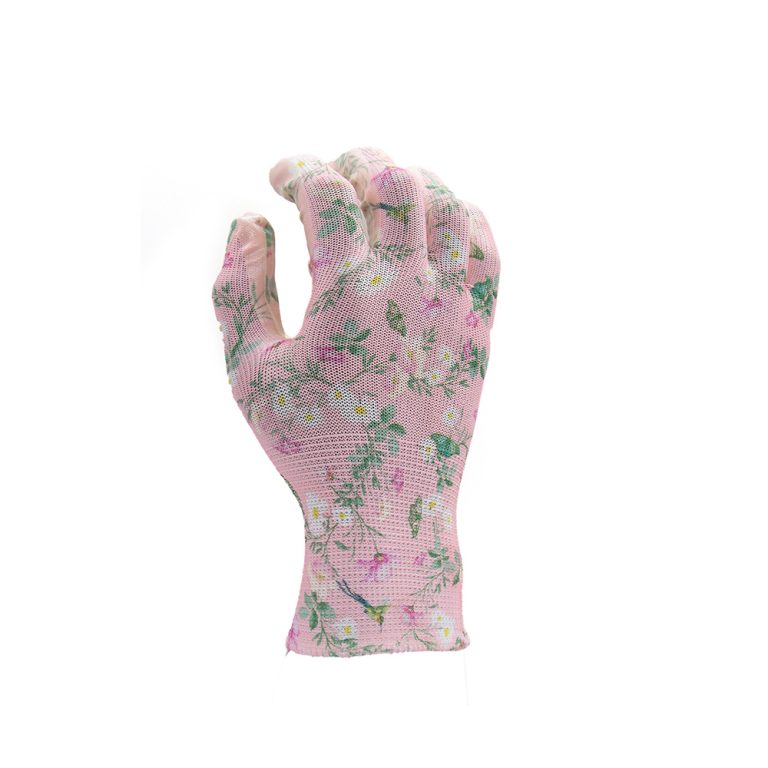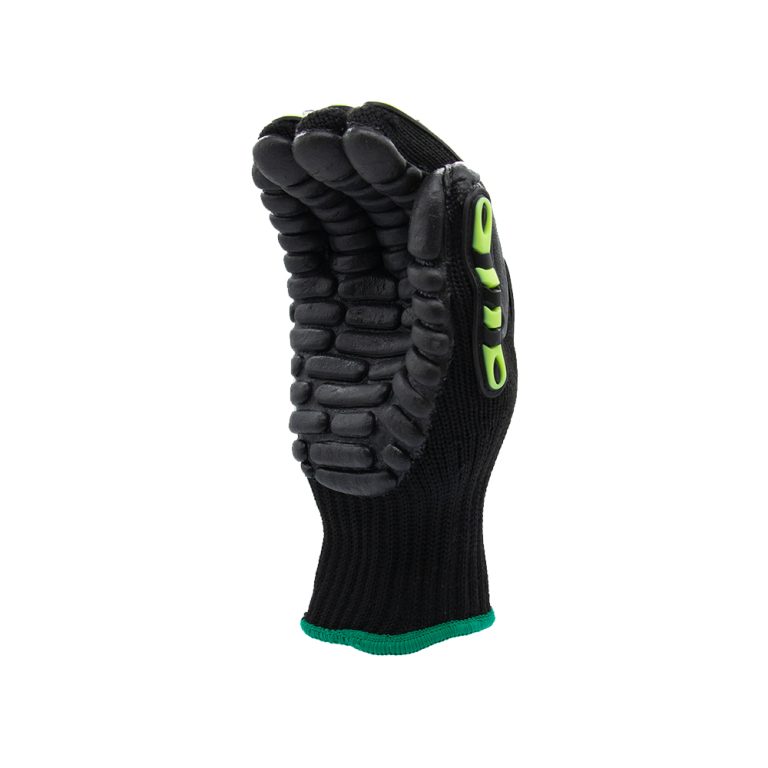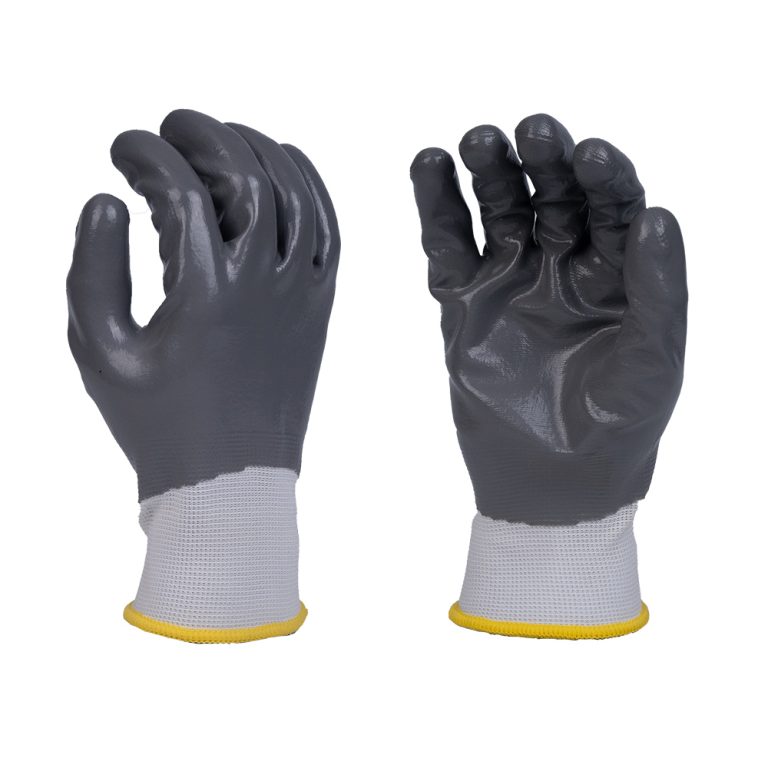

Choosing gardening gloves for professional crews is not simply a matter of finding one comfortable pair. The right glove must match the task, exposure, weather, required dexterity, and expected wear rate.
For horticulture and landscaping buyers, the practical approach is to define the work first and then compare glove construction, coating, fit, protection, and supplier documentation. This reduces unsuitable purchases, supports consistent crew use, and makes replacement costs easier to manage.
Start With the Work, Not the Glove
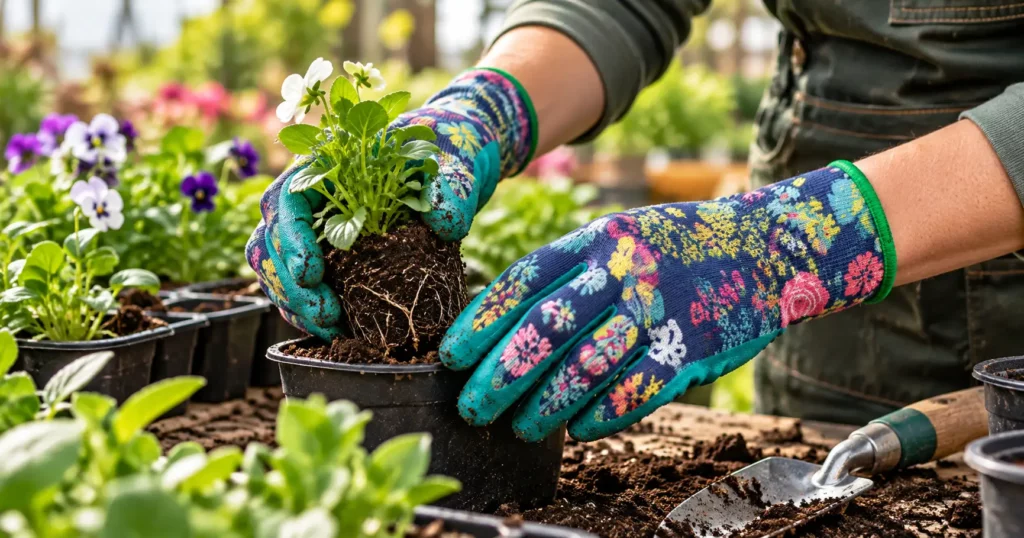
A landscaping crew may handle seedlings in the morning, move wet containers after irrigation, prune shrubs in the afternoon, and finish with cleanup or material handling. These activities do not create the same risks.
Before requesting samples or quotations, document:
- The materials workers handle, including soil, plants, tools, stone, wood, and containers
- Whether surfaces are dry, damp, muddy, oily, sharp, or abrasive
- The level of finger control required
- Typical wear points, such as fingertips, thumb crotches, and palms
- Seasonal temperature and moisture conditions
- Any known cut, puncture, impact, chemical, or biological hazards
This task profile becomes the basis for selecting gloves and checking whether a supplier’s specification actually fits the application.
Match Gardening Gloves to the Task
| Work activity | Main selection priorities | Points to verify |
| Seeding, transplanting, and potting | Dexterity, tactile control, breathability | Finger fit, liner flexibility, palm grip |
| Weeding and routine bed maintenance | Grip, soil resistance, comfort | Coating coverage, cuff fit, seam quality |
| Nursery and greenhouse handling | Dexterity, repeated handling, ventilation | Size consistency, palm wear, wash instructions |
| Servicios de jardinería y limpieza de patios. | Abrasion resistance, secure grip, durability | Palm construction, reinforcement, expected wear |
| Pruning and shrub maintenance | Protection appropriate to plant and tool hazards | Puncture or cut performance supported by test data |
| Wet-weather work | Grip under wet conditions and moisture protection | Wet-grip results, coating coverage, waterproof claim |
| Heavy material handling | Abrasion resistance, grip, and suitable protection | Applicable performance ratings and sample results |
No general-purpose gardening glove should automatically be treated as suitable for thorn handling, powered equipment, pesticide application, or high cut-risk work. Those activities require a separate hazard assessment and documented performance.
Buyers comparing options can begin with the PONWELL gardening gloves range, then evaluate each construction against the actual work profile.
Compare Liner and Coating Construction
Knitted gloves are commonly used for planting, potting, nursery work, and general landscape maintenance because they can provide useful flexibility and breathability. Liner gauge influences the feel of the glove, but it should not be assessed alone. Yarn, knitting quality, coating, glove shape, and size all affect the finished product.
Palm coatings change how a glove performs against particular surfaces. A smooth nitrile coating can be appropriate where workers need controlled grip in dry or slightly oily conditions. Texture, coating thickness, and coverage may alter grip, flexibility, moisture resistance, and wear.
PONWELL’s garden gardening glove is described with a 13-gauge seamless knitted liner, a smooth nitrile palm coating, and a breathable back. Its suitability should still be verified through samples and the current specification, especially if the intended work involves persistent water, thorns, sharp edges, or chemical exposure.
For a broader comparison of coating considerations, buyers can review the nitrile-coated work glove selection guide.
Treat Fit as a Performance Requirement
A glove that is too large can rotate on the hand, reduce control, and bunch at the fingertips. A glove that is too small may restrict movement, increase fatigue, or place excessive stress on the liner and coating.
A bulk order should therefore include a realistic size distribution rather than one nominal size for the whole workforce. During sample trials, ask workers to grip tools, pick up small plant labels, tie material, lift containers, and repeat typical hand movements.
Check for:
- Fingertips that follow the wearer’s finger length
- A palm that does not fold during gripping
- A cuff that remains secure without excessive pressure
- Free thumb movement
- Consistent fit between samples of the same stated size
Comfort is operational, not cosmetic. Workers are more likely to remove gloves that interfere with their tasks, undermining the intended protection.
Account for Moisture, Heat, and Seasonal Work
Outdoor conditions can change glove performance. A coating that grips well on dry tools may behave differently on wet handles, muddy pots, or damp vegetation. An open knitted back may improve ventilation, but it does not make the entire glove waterproof.
For wet work, buyers should distinguish among water-repellent, palm-coated, and fully waterproof constructions. These terms are not interchangeable. If moisture penetration is a major concern, compare products in the waterproof gloves category and verify coating coverage, dexterity, and wet-grip performance.
Hot-weather crews may prioritize ventilation and lightweight construction. Cold or persistently wet conditions may require a different liner and coating system. In either case, use conditions should be stated clearly in the RFQ.
Build a Procurement Specification
A useful glove RFQ should describe more than color and quantity. Include:
- Intended horticulture or landscaping tasks
- Dry, damp, muddy, oily, or wet operating conditions
- Required size range and estimated quantity by size
- Preferred liner and coating construction, if already established
- Required coating coverage
- Known cut, puncture, abrasion, or chemical hazards
- Applicable test reports, markings, or regulatory requirements
- Packaging, labeling, and identification needs
- Sample quantity and field-trial procedure
- Acceptance criteria for dimensions, workmanship, and consistency
If colors, logos, or packaging are required, separate those requirements from safety performance. Customization can support workforce identification, but it does not replace technical verification. PONWELL outlines available development considerations on its OEM and ODM service page.
Buyers should also request the current technical data for the exact model being quoted. Product appearance alone cannot confirm protection levels, material composition, or compliance.
Run a Field Trial Before the Bulk Order
Test samples with representative users, tasks, and conditions. A short inspection under ideal conditions is insufficient.
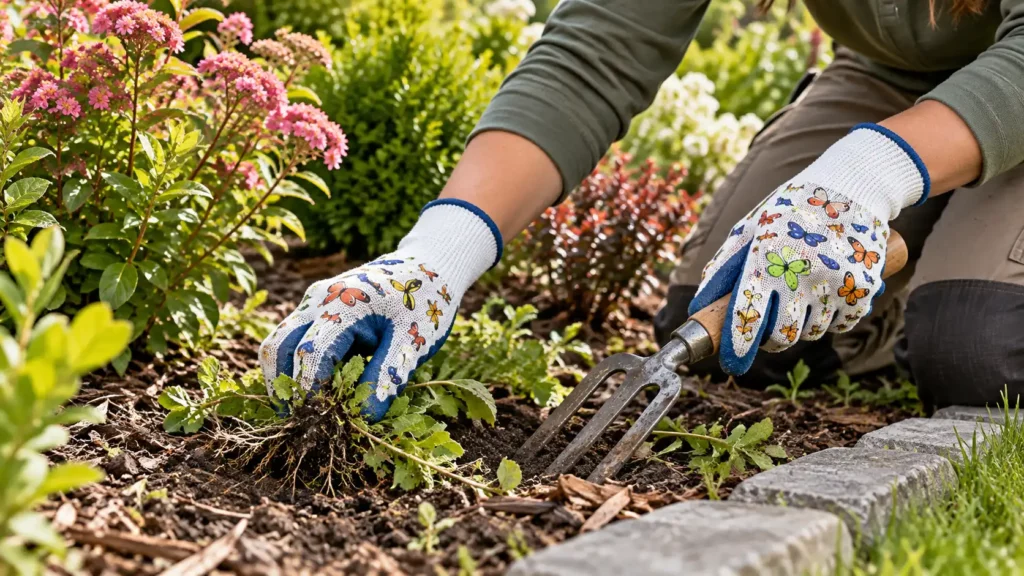
Record grip, dexterity, heat buildup, cuff security, coating damage, liner failure, and the point at which the glove becomes unsuitable. Compare results by task rather than averaging every activity together. A glove may perform well for nursery handling but wear quickly during stone or timber work.
After the trial, define measurable acceptance points. These might include correct size labeling, consistent dimensions, coating coverage, workmanship, packaging, and any required documentation. Repeat the review when the model, material, supplier, or application changes.
Conclusion
Effective glove selection begins with a task and hazard profile, followed by construction comparison, fit testing, documentation review, and field validation. Professional buyers should avoid expecting one gardening glove to cover every horticultural and landscaping activity.
A structured purchasing process helps teams choose gloves that balance dexterity, grip, comfort, and suitable protection while making bulk-order decisions easier to defend and repeat.
Frequently Asked Questions
Are nitrile-coated gloves suitable for gardening?
They may suit planting, potting, weeding, nursery handling, and other general tasks. Suitability depends on the coating, liner, exposure, grip conditions, and required protection.
Are ordinary gardening gloves puncture-resistant?
Not necessarily. Thorn or puncture hazards require products with appropriate construction and supporting performance data. A coated palm alone does not confirm puncture protection.
Should landscaping crews use one glove model for every task?
Usually not. Fine planting, wet work, pruning, and abrasive cleanup involve different requirements. A small task-based glove program may provide better results than one universal model.
What should buyers check before placing a bulk order?
Confirm the model specification, sizes, materials, coating coverage, intended conditions, required test documents, customization details, packaging, samples, and agreed acceptance criteria.
For a sample review or sourcing discussion, contact the PONWELL team with the application, working conditions, hazards, size range, quantity, and any documentation or customization requirements.