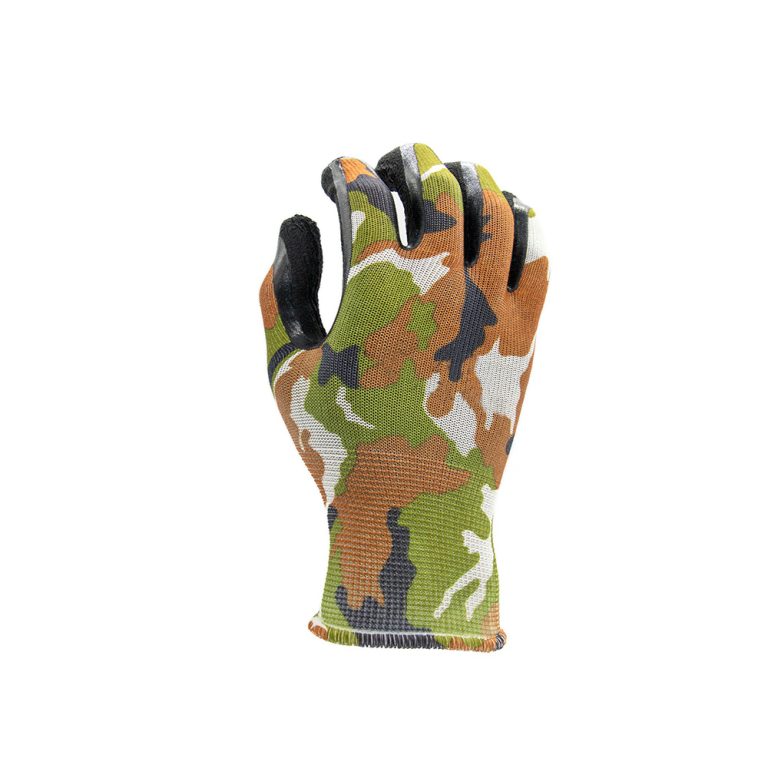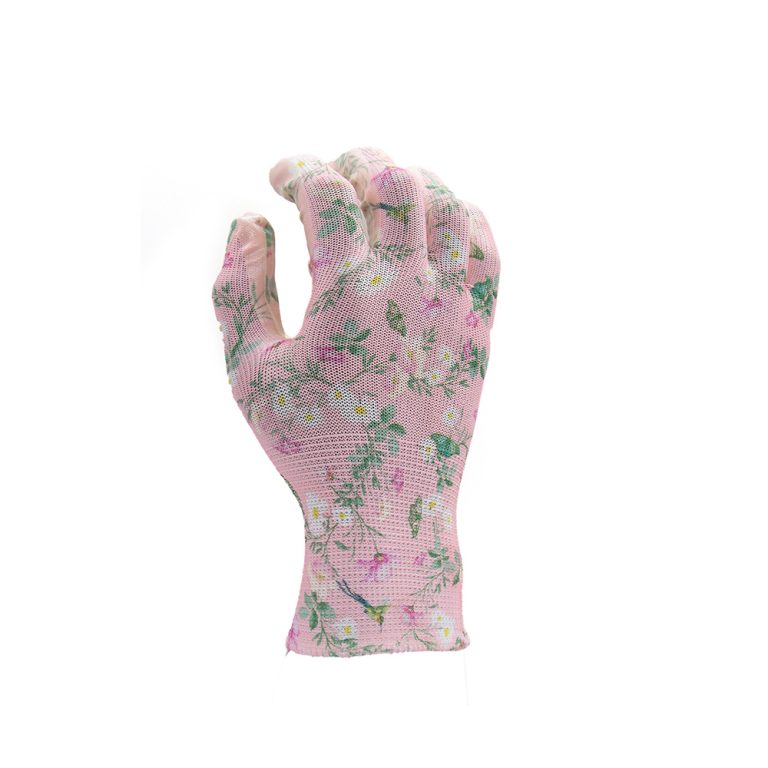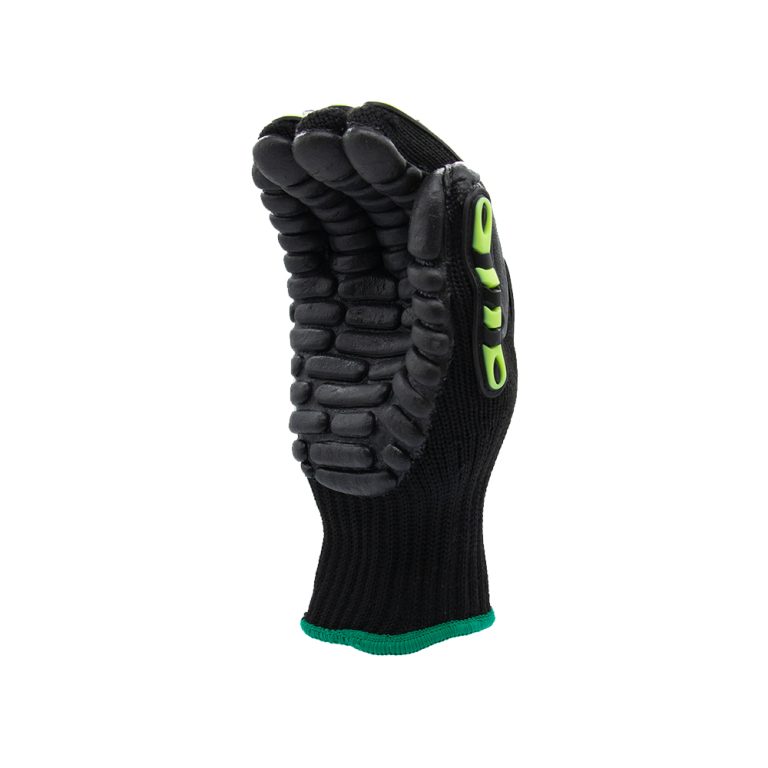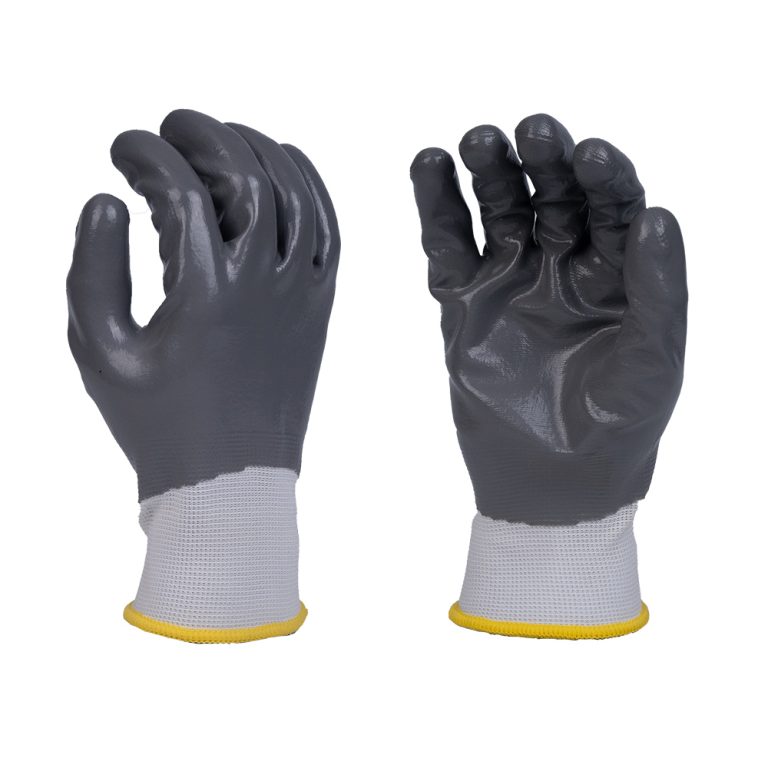

Freezer work gloves should be evaluated against the tasks workers perform inside the cold room, not just the temperature shown on a facility display. For picking and handling frozen goods, check whether the gloves suit the shift pattern, maintain a usable grip on the actual packaging, allow routine scanning and labeling, and fit comfortably with workwear. Test samples under real operating conditions before placing a larger order.
A glove that feels warm during a brief fitting may behave differently during repeated trips between temperature zones or when workers handle condensation-covered cartons. The most useful selection process starts with the work sequence and ends with a documented trial. This guide explains what warehouse teams should check before choosing gloves for cold-storage picking.
Start With the Cold-Storage Work Pattern
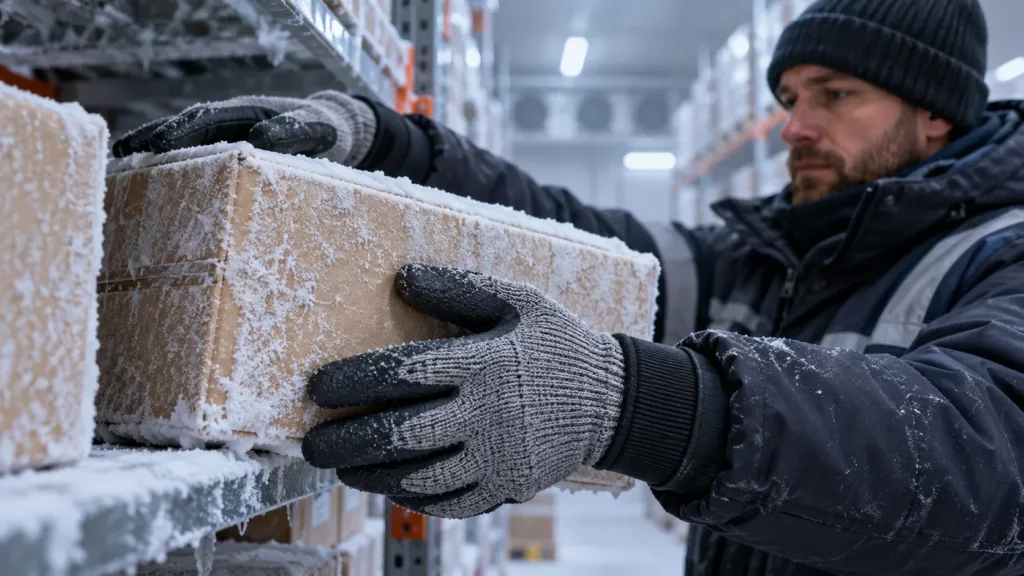
“Freezer work” can describe several different routines. One worker may enter a cold room briefly to retrieve a few items, while another may pick orders for longer periods, move cases continuously, or alternate between refrigerated and ambient areas. These differences affect how gloves feel over a shift and which tasks are most likely to expose a weakness.
Before comparing products, note:
- How long workers stay in each temperature zone and how often they move between zones.
- Whether they handle individual packages, cartons, totes, or larger loads.
- Whether packages are dry, frosted, damp, or likely to collect condensation.
- Which tasks require bare-finger precision, such as scanning, label handling, opening cartons, or using control buttons.
- Whether workers wear liners, insulated jackets, or other equipment that affects cuff fit.
This short task profile gives the trial a clear purpose. It also helps prevent a sample from being judged only during a quick try-on at room temperature.
Check Grip on the Packaging Workers Actually Handle
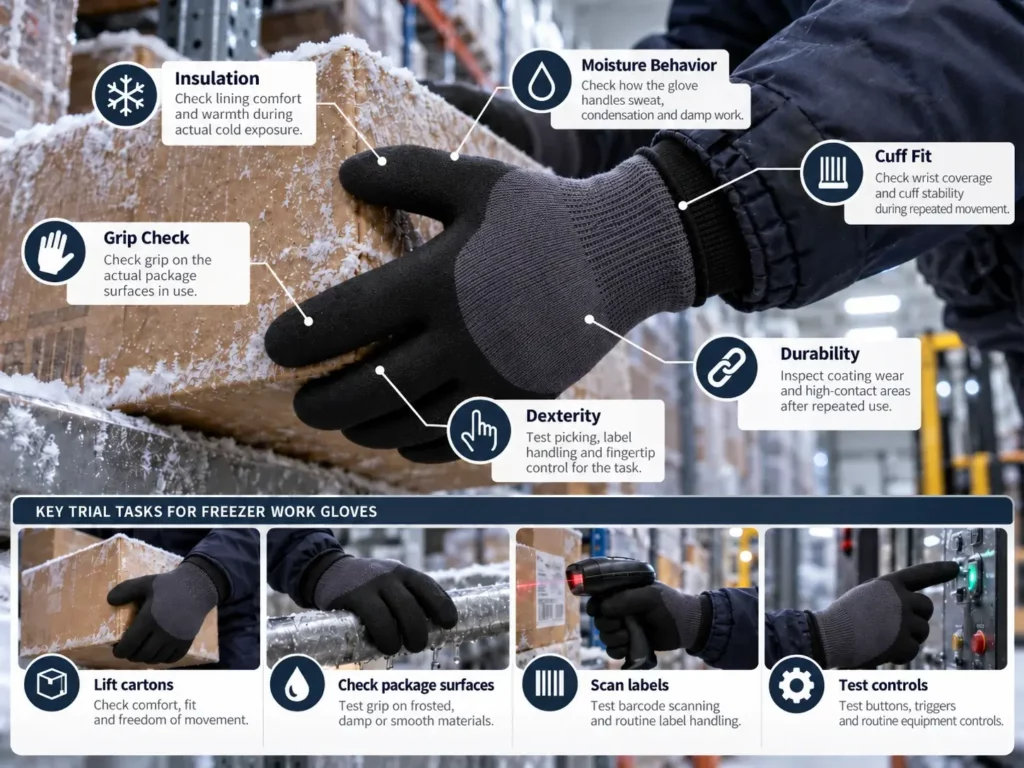
Grip should be tested with the goods and surfaces used in the facility. A coated palm may provide a useful contact surface, but the result depends on the glove construction, package material, surface condition, load, and handling method. A dry cardboard case is not a reliable substitute for a slick or damp frozen-food package.
During a sample trial, observe whether workers can pick up, reposition, and set down common packages without repeatedly changing their grip. Include the surfaces that create the most difficulty, such as smooth film, coated cartons, or packaging with light condensation. Do not deliberately handle loads in a way that creates an unsafe test; use the facility’s normal lifting and handling procedure.
Also check whether the grip surface remains practical after repeated contact. Workers should be able to control the item without excessive squeezing, while still following the site’s rules for lifting and stacking. If the task involves different package types, record results by package and surface rather than describing the glove simply as “grippy.”
PONWELL’s cold-weather range includes nitrile and latex cold-weather gloves. Coating and lining details vary by model, so buyers should compare the exact product configuration with the surfaces and tasks in their facility.
Test Picking Motions, Not Just Hand Comfort
Cold-storage picking often combines gripping with short, repeated motions. A useful trial should include the full sequence workers repeat during a shift:
- Pick up a representative package or case.
- Carry and place it using the facility’s normal method.
- Scan a barcode or operate the usual handheld device.
- Handle a label, carton flap, or stretch film if those tasks are part of the job.
- Repeat the sequence long enough to notice whether the gloves shift, bunch, or make a routine motion awkward.
Record which step causes difficulty. For example, a worker may manage case handling but struggle to trigger a scanner consistently. That is more actionable than a general comment that the gloves feel bulky.
Include different hand sizes and, where relevant, both hands in the trial. A glove that fits one worker may not provide the same control to another. Keep the test tied to the actual task: some teams need more package control, while others spend more time scanning and sorting smaller items.
Check Fit at the Wrist and With Other Workwear
A glove should stay in place while the worker reaches, grips, and releases. Check for excessive looseness at the fingertips, pressure across the palm, or movement that requires frequent adjustment. These fit issues can interfere with repeated picking and may lead workers to remove or reposition the gloves during work.
Inspect how the cuff sits with the worker’s jacket or protective clothing. The cuff and sleeve should work together without restricting movement or leaving the worker constantly adjusting the overlap. The right arrangement depends on the garments and tasks used at the site; do not assume a glove cuff alone will prevent cold air or moisture from reaching the wrist.
If workers use liners, include them in the fitting and trial. A liner can change the effective fit, finger control, and feel of the glove. Confirm that the final combination still allows the worker to handle packages and complete scanning tasks as required.
Evaluate Moisture and Zone Changes
Cold-storage work may involve changes in temperature and surface conditions. Workers moving between areas can encounter condensation, while packages may be frosted or damp. During the trial, note when gloves become wet or uncomfortable and whether the task changes after that point.
Do not treat “cold-weather” or “water-resistant” wording as proof that a specific glove is suitable for every wet condition. Confirm the product’s stated limitations and test it against the facility’s actual exposure. If a task involves direct contact with food, verify the relevant food-contact suitability for the exact model and configuration before use.
Set clear replacement and drying practices as part of the trial. Workers should know what to do when gloves become wet, damaged, or no longer provide the control required for the task. This is a site procedure as well as a product-selection question.
Verify the Exact Glove Configuration
A product name or category is not a complete specification. Before ordering, confirm the model and the details that affect the intended application, such as lining, coating, size range, cuff design, and available packaging. Ask the supplier to identify the exact configuration being quoted so that the sample, purchase order, and delivered product can be compared.
For example, PONWELL lists a 13-needle nitrile frosted cashmere winter glove with a cashmere-blend lining and nitrile frosted palm and finger coating. Reinforcement is also described on the product page. These features are a starting point for matching a glove to a task, not a substitute for checking the specific specification or conducting a workplace trial.
Avoid assuming a temperature rating, waterproof performance, food-contact approval, or certification unless it is documented for the exact model. When a requirement is mandatory, ask for the relevant product documentation before making the selection.
Run a Short, Documented Sample Trial
A structured trial makes feedback easier to compare. Select representative workers and tasks, then use the candidate gloves during normal cold-storage work under the facility’s established safety procedures. Record the model, size, task, surface condition, and any liner or outerwear used.
Ask workers to report specific observations:
- Could they pick up and place the usual packages with controlled movements?
- Did the grip change when packages were frosted or damp?
- Could they scan items and handle labels at the normal work pace?
- Did the glove shift, bunch, or require repeated adjustment?
- Did the fit remain acceptable with the worker’s usual jacket and any liner?
- Did any point in the shift make the glove wet, uncomfortable, or unsuitable for the task?
Compare responses by task instead of treating all workers as one group. If feedback differs, check whether the cause is size, hand shape, task duration, package surface, or glove configuration. A second sample may be appropriate when the first trial identifies a specific, testable issue.
Give Suppliers a Clear RFQ
A useful request for quotation helps a supplier recommend a relevant sample and helps the buyer avoid comparing unlike products. Include the cold-storage application, the tasks performed, typical package surfaces, exposure pattern, preferred sizes, liner use, and approximate order quantity.
Also state any mandatory requirements, such as documented suitability for direct food contact or a particular performance specification. Ask the supplier to confirm the quoted model, construction details, available sizes, and the documents that support any required claim. Keep these requirements separate from preferences such as color or packaging.
Before approving an order, make sure the sample and quotation identify the same model and configuration. If the product will be used across different work areas, specify which task each configuration is intended to serve. Buyers can use PONWELL’s cold-weather glove range as a starting point for a model-level discussion, then confirm fit through sampling.
Conclusion
The right freezer work gloves are the ones that support the facility’s actual picking sequence: handling its packages, completing routine scanning, fitting with workwear, and performing acceptably under the site’s cold and moisture conditions. Define the work pattern, test samples on real tasks, and confirm the exact specification before ordering. For more general winter-glove considerations, see PONWELL’s guide to balancing warmth and dexterity.
Häufig gestellte Fragen
Are freezer work gloves the same as general winter work gloves?
Not necessarily. Cold-storage gloves should be evaluated against the facility’s specific tasks, package surfaces, exposure pattern, and workwear. A general winter glove may not be suitable for repeated picking or damp packaging.
How can a warehouse test glove grip?
Use representative packages and surfaces under normal handling procedures. Observe picking, repositioning, carrying, and placement, and record whether results change when packaging is frosted or damp.
Should workers wear liners under freezer gloves?
That depends on the glove, worker, task, and site requirements. If liners are used, include them in the fitting and sample trial because they can affect fit and finger control.
What should buyers confirm before ordering?
Confirm the exact model and configuration, sizes, lining and coating details, and any documents needed for required performance or food-contact suitability. Trial samples before approving a larger order.