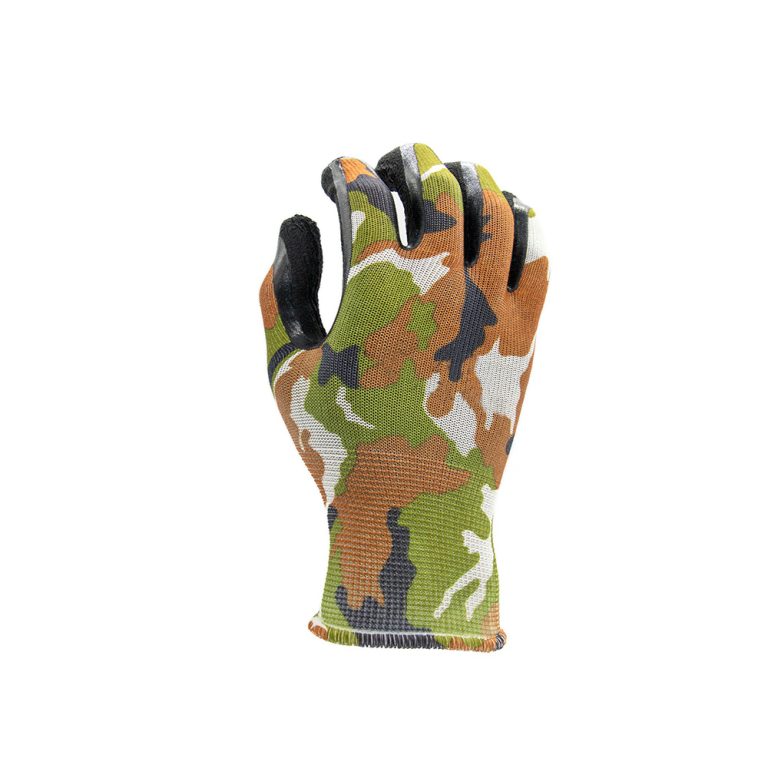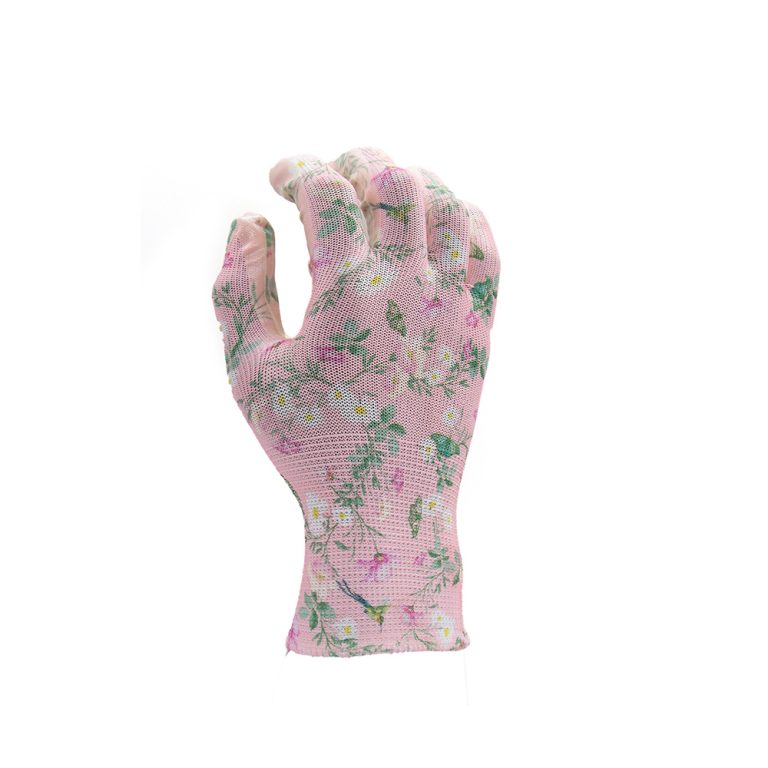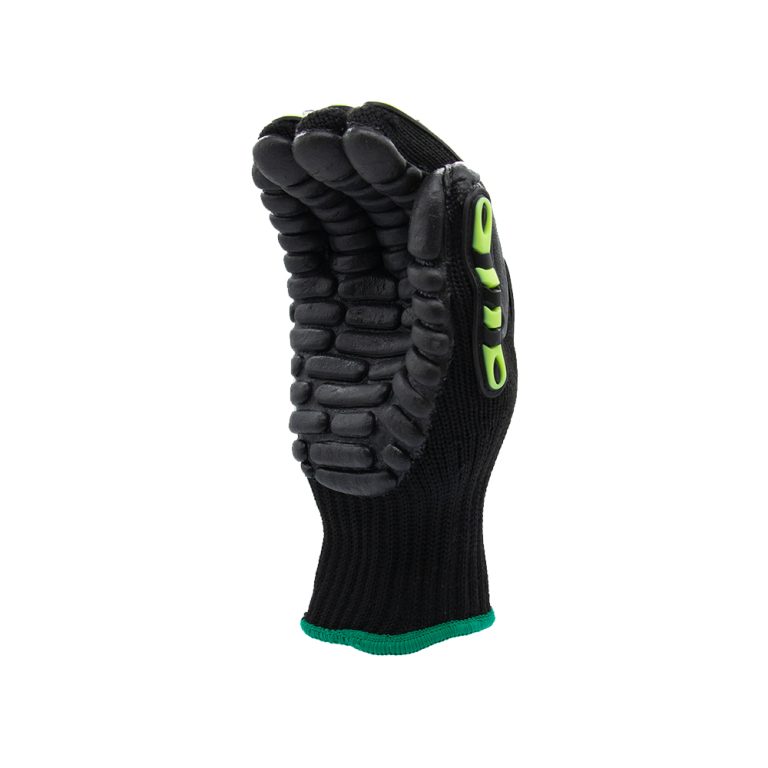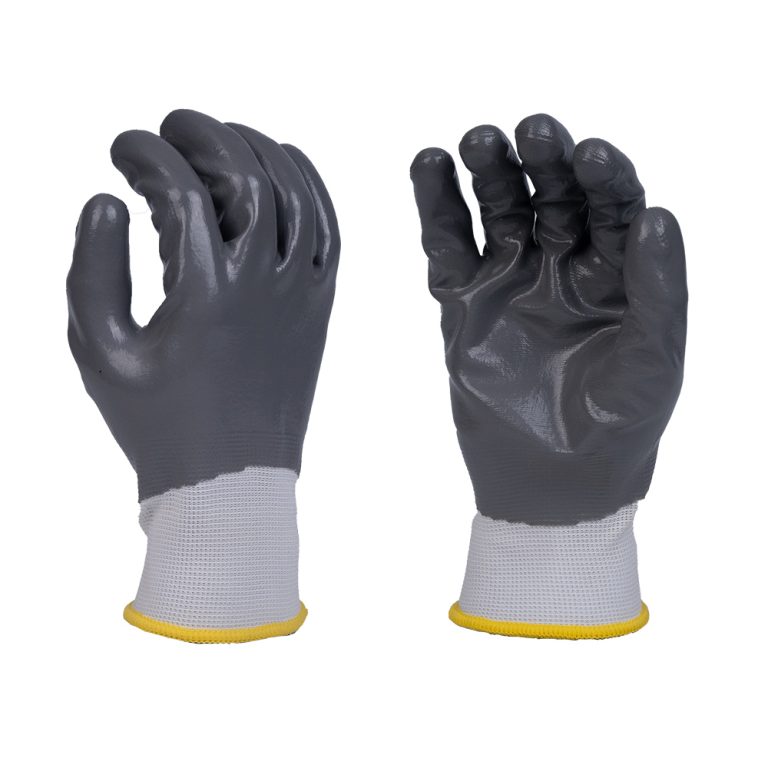

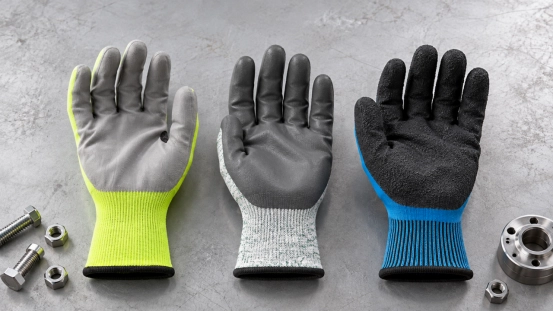
PU, nitrile, and latex coated gloves are not interchangeable. Polyurethane (PU) generally favors fine handling and dry-task dexterity, nitrile is a strong starting point for oily contact and repeated abrasion, and latex is commonly considered for textured grip in wet or rough handling. The right choice still depends on finish, coverage, liner, fit, and job hazards.
This comparison concerns reusable knit-shell gloves with a dipped or coated palm, not disposable examination gloves. Use the material comparison as a screening tool, then validate the exact construction through specifications and a task-based sample trial.
How the Coating Changes Glove Performance
The coating forms the working surface between the hand and the object. It influences friction, wear, liquid interaction, tactile feedback, and heat buildup. However, the coating alone does not determine cut, puncture, impact, thermal, electrical, or chemical protection. Those properties depend on the complete glove and must be supported by applicable test data.
| Selection factor | PU coating | Nitrile coating | Latex coating |
| Typical strength | Tactile sensitivity and light feel | Oil resistance and abrasion durability | Elasticity and textured grip |
| Common working conditions | Clean, dry, or lightly oily tasks | Dry to oily industrial handling | Dry, damp, or wet rough handling |
| Dexterity | Usually high with a thin palm coating | Varies by thickness and finish | Flexible, but textured coatings may feel heavier |
| Breathability | Often good in palm-coated designs | Depends on coverage and foam structure | Depends on coverage and coating thickness |
| Main caution | Limited choice for heavy liquid exposure | Chemical resistance is not universal | Natural rubber latex may create allergy concerns |
These are general tendencies, not approval criteria. Smooth, foam, microfoam, sandy, and wrinkle finishes can make two gloves with the same coating material behave differently.
PU-Coated Gloves: Best Fit for Precision Handling
PU coatings are usually selected when fingertip feel, controlled movement, and a lightweight glove matter more than heavy liquid protection. A thin PU palm can preserve the flexibility of a fine-gauge liner, making it useful for electronics assembly, small-parts inspection, packaging, quality control, and other clean handling tasks.
PONWELL’s Gants en PU résistants aux coupures, en HPPE à 21 aiguilles illustrate this type of application: the published product information positions the PU surface for dry and slightly oily precision work. Buyers should still verify the required cut performance, coating thickness, and grip behavior for their own parts.
Nitrile-Coated Gloves: A Practical Choice for Oil and Wear
Nitrile coatings are considered for maintenance, automotive parts, metal components, tools, warehousing, and assembly where light oil or repeated contact is expected. Compared with a very thin PU coating, nitrile can provide a more durable working surface.
Finish matters. Smooth nitrile can suit controlled handling in dry or lightly oily conditions, while foam or textured finishes may change liquid dispersion and grip. PONWELL lists Gants en nitrile imprimés à 13 aiguilles with a smooth palm coating for industrial handling and light-oil conditions.
“Nitrile” does not mean automatic protection against every chemical. Permeation, degradation, and breakthrough behavior depend on the substance, concentration, temperature, contact time, coating continuity, and glove construction. Request compatibility evidence for the exact product rather than relying on the material name.
For a deeper task-based specification process, PONWELL’s nitrile-coated work glove selection guide covers coverage, finish, fit, and sample trials without replacing a workplace hazard assessment.
Latex-Coated Gloves: Grip for Wet and Rough Handling
Latex coatings combine elasticity with strong friction potential, especially when a wrinkle or other textured surface is used. This can support construction, landscaping, agriculture, material handling, and outdoor work involving damp, uneven, or rough objects.
A PONWELL example is its latex wrinkle-foam waterproof gloves, presented for wet and slippery working conditions. That is a specific waterproof configuration; a standard palm-coated latex glove should not be assumed to provide the same coverage or liquid protection.
Latex is not the preferred default for petroleum oils, and natural rubber latex may be unsuitable for workers with latex sensitivity or allergy. Identify workforce restrictions early and confirm the material composition.
How to Choose the Right Coated Work Glove
1. Define the Surface Condition
Record whether workers handle dry cartons, clean components, oily fasteners, wet hoses, muddy materials, or mixed surfaces. Replace a generic “good grip” requirement with the contaminant, frequency, and contact area.
2. Separate Grip from Protection
Grip is only one function. List cut edges, puncture points, chemicals, heat, cold, impact, vibration, and electrical hazards separately. A coating cannot compensate for an unsuitable liner or unverified protective rating.
3. Set the Dexterity Requirement
Observe the smallest item handled and the controls workers must operate. PU may lead for fine, dry handling. Nitrile can balance control and wear in oily production. Latex may fit where textured grip on damp or rough objects has priority.
4. Choose Coverage and Finish
Palm coating can preserve ventilation when exposure is concentrated on the gripping surface. Three-quarter or full coating may extend liquid or dirt coverage but can increase heat buildup and reduce flexibility. Specify smooth, foam, sandy, or wrinkle texture after testing it on the real surface.
5. Trial the Exact Configuration
Run samples in the intended sizes and production configuration. Record slippage, over-gripping, fingertip control, heat, cuff movement, coating wear, and reasons for removal. Compare repeatable task performance, not appearance alone.
Application-Based Shortlist
For clean assembly, inspection, and small components, begin with a thin PU-coated glove and verify cut needs separately. For automotive service, oily parts, tools, and repeated abrasion, shortlist nitrile finishes matched to the amount of oil and required dexterity. For damp construction materials, landscaping, agriculture, or rough outdoor handling, evaluate textured latex while accounting for oil exposure and latex sensitivity.
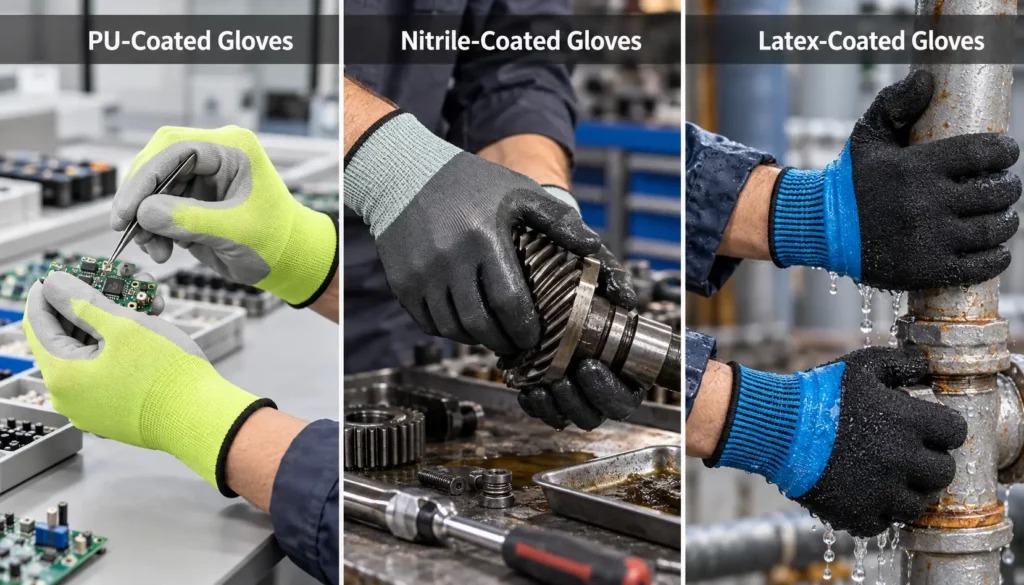
From left to right: PU-coated gloves for dry precision handling, nitrile-coated gloves for mechanical and light-oil work, and latex-coated gloves for wet or slippery applications.
Mixed environments may require more than one approved glove. One model across every department can create risk or waste when surfaces and hazards differ.
What B2B Buyers Should Put in an RFQ
A useful request for quotation should include:
- Task and objects handled, including dimensions, edges, weight, and surface condition
- Coating material, finish, coverage, and preferred color
- Liner material, gauge, size range, cuff style, and dexterity requirement
- Applicable cut, abrasion, puncture, liquid, or other performance documentation
- Sample quantity, trial criteria, expected use cycle, and replacement triggers
- Order quantity, size breakdown, packaging, labeling, and branding needs
- Change-control expectations for materials, construction, or production location
PONWELL describes OEM/ODM glove development covering material selection, grip patterns, coating, branding, inspection, and packaging. Tie every customized feature to an approved sample and written acceptance criteria.
Conclusion
The key difference among PU, nitrile, and latex coated gloves is the balance between feel, grip, wear, and exposure conditions. PU usually supports precise dry handling; nitrile is a strong candidate for oil and abrasion; latex can provide textured grip for wet or rough work. No coating is universally superior.
Start with the task and hazard assessment, define the surface condition, select the liner and coverage, and test the exact glove. This process gives buyers a defensible specification instead of a material-only assumption.
FAQ
Are PU-coated gloves the same as nitrile-coated gloves?
No. PU and nitrile are different coating materials. PU commonly emphasizes a thin feel and dexterity, while nitrile is often selected for oil contact and wear resistance.
Which coated glove is better for oily work?
Nitrile is often the better starting point, but performance varies by finish, coverage, oil type, and exposure. Trial the exact glove under controlled, representative conditions.
Which coating provides the strongest grip?
There is no universal winner. Textured latex may perform well on wet or rough surfaces, nitrile finishes can suit oily parts, and thin PU can provide controlled dry grip for precision handling.
Are coated work gloves chemical resistant?
Not automatically. Chemical protection must be verified for the exact substance, concentration, temperature, contact duration, and complete glove construction.
Request a Task-Fit Review
For a project-specific recommendation, contact the PONWELL team with the application, surface conditions, identified hazards, liner and coating preferences, size breakdown, quantity, required documents, and packaging needs. The team can then review suitable configurations for sampling and quotation.