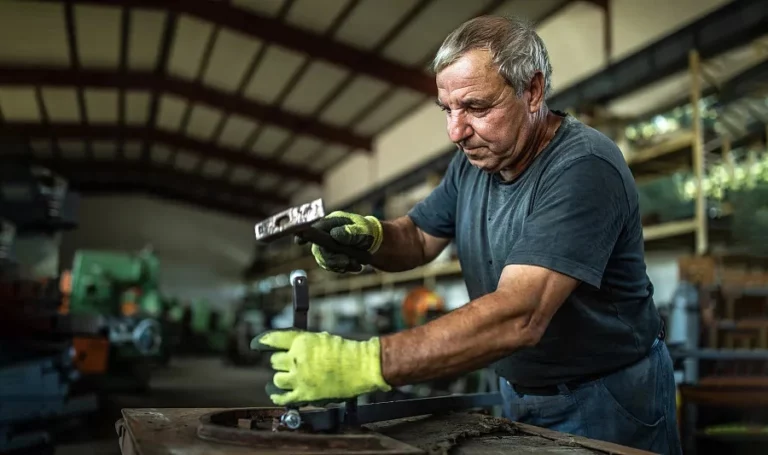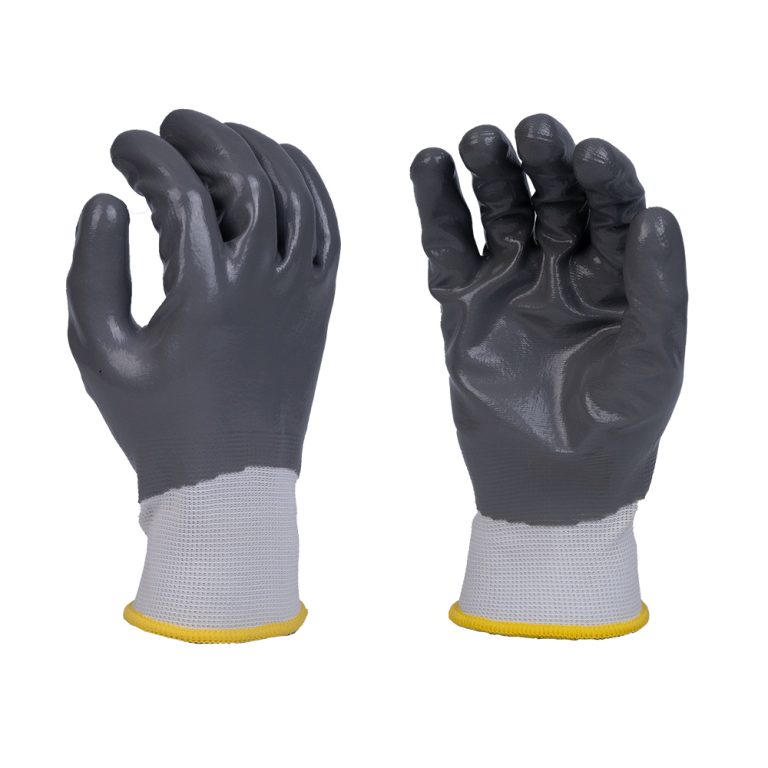

Hand fatigue is rarely caused by one factor. Repetitive gripping, tool vibration, slippery parts, heat, sweat, and poor sizing can all increase effort. The right working glove reduces unnecessary grip force while preserving the protection and dexterity the job requires, supporting steadier handling across a shift.
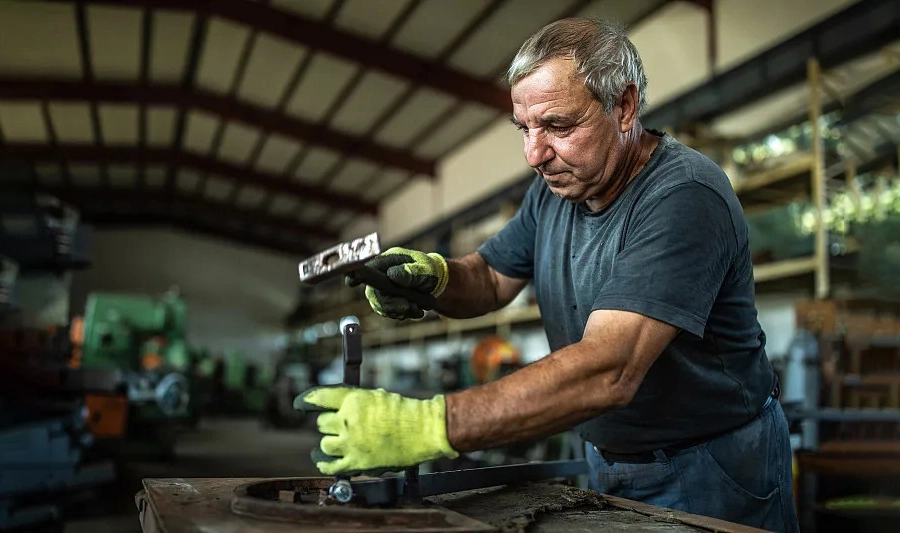
Why Hand Fatigue Develops During Routine Work
Fatigue builds when workers must repeatedly contract the hand and forearm muscles to hold a tool or object. A glove that slips can make the wearer squeeze harder. A glove that is too tight can restrict finger movement, while one that is too loose can bunch at the palm or fingertips. Thick seams, poor wrist retention, and trapped heat add smaller sources of discomfort that become important over a long shift.
The risk is not limited to heavy work. Picking cartons, feeding components, tightening fasteners, inspecting parts, and operating handheld tools all involve repeated movements. When discomfort causes a pause, glove removal, or a grip change, usable time and handling consistency fall. A glove is part of the work interface between operator, tool, and material.
How Working Gloves Reduce Hand Fatigue
Fit and Ergonomic Movement
A close, stable fit reduces compensating movements. Fingers should reach the end of the glove without compression, and the thumb crotch should allow natural opposition. The cuff should stay in place without creating pressure at the wrist. A useful trial checks fit after the hands have warmed up and after the wearer has repeated the actual task, because bunching and pressure often appear only after sustained movement.
Grip That Lowers Unnecessary Force
Grip design is central to fatigue control. A textured or foamed palm can improve friction on the surfaces workers handle, helping them hold an object with less squeezing. The correct coating still depends on the material: a dry carton, oily metal part, and wet component do not create the same interface. Buyers should compare grip on representative tools and parts rather than selecting a coating from its name alone.
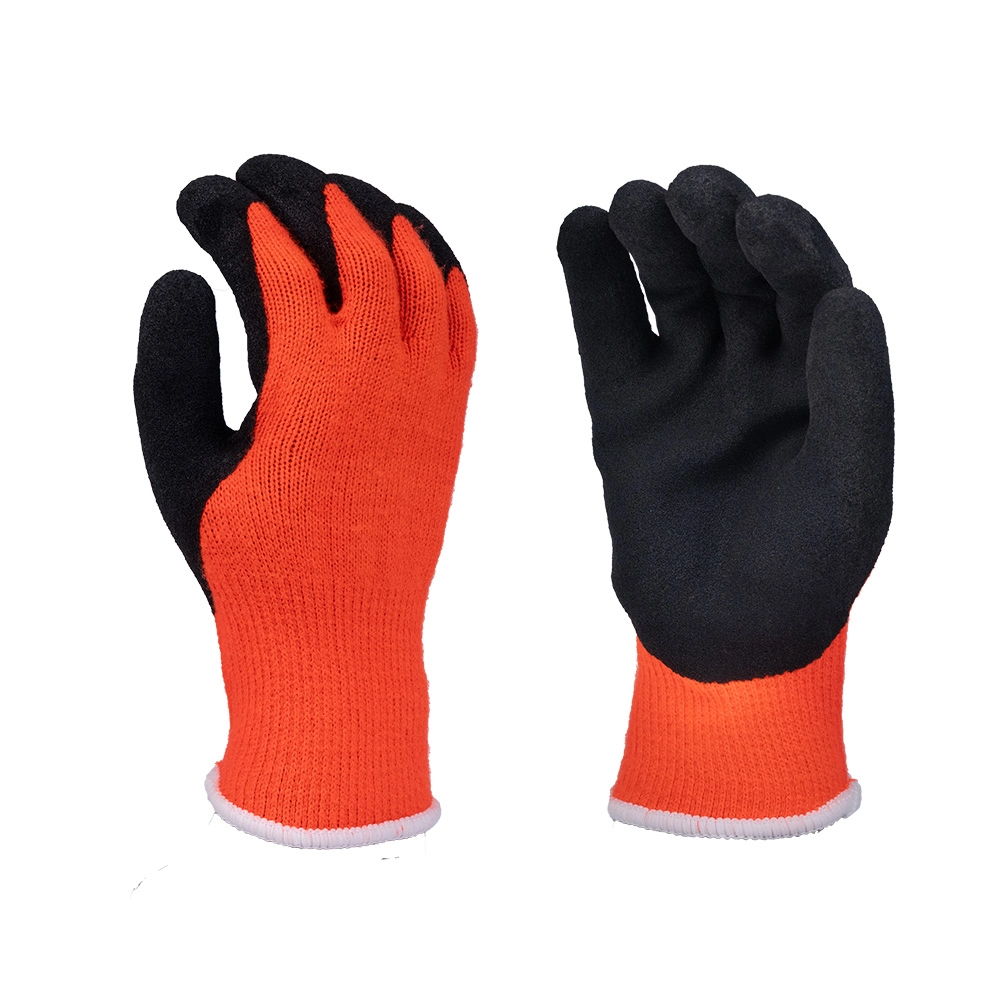
Flexibility, Moisture, and Temperature Control
Flexible materials allow the hand to close and open without fighting the glove. Breathable liners and open-back constructions can reduce heat and perspiration, while absorbent terry structures can help manage moisture inside the glove. These features matter because damp skin can feel less stable and may encourage extra gripping. The trade-off is application-specific: a waterproof or fully coated design may be necessary for liquid exposure, even if it requires a different comfort strategy.
Research indexed by the U.S. National Library of Medicine has examined how industrial protective gloves influence grip demand and muscular fatigue during repetitive hand activity. The practical implication is not that one glove works for every task, but that construction, fit, and surface interaction should be treated as measurable selection factors.
How Lower Fatigue Supports Productivity
The productivity benefit is cumulative. A worker with a stable grip is less likely to reposition a part, adjust a cuff, or remove a glove because of heat. Better tactile control can reduce handling errors. Useful trial measures include task time, adjustments, handling errors, discomfort, and replacement reasons.
Protection remains the first boundary. A lightweight glove is not automatically appropriate if the task involves sharp edges, impact, chemicals, or vibration. The objective is to remove avoidable effort while retaining the protection level established by the hazard assessment.
What to Measure During a Shift Trial
Evaluate comfort at the workstation, not only when a sample is unpacked. Ask operators to complete a normal work cycle and record when discomfort appears, where pressure develops, and whether the glove changes their grip. Compare adjustments, pauses, dropped components, and glove removals with the current model. Notes about heat, sweat, seams, and cuff movement can explain why a technically suitable glove is not worn consistently.
Include more than one hand size and operator where practical. Repeat the check after cleaning or several hours of use when gloves are intended for multiple shifts. This turns “comfort” into evidence that purchasing, safety, and production teams can review together.
Selecting Working Gloves for Different Applications
Assembly, Warehousing, and General Handling
Prioritize dexterity, stable grip, abrasion resistance, and a liner that does not trap excessive heat. Palm-coated or partially coated formats may offer a useful balance for dry handling. Confirm that the coating remains flexible and that fingertips do not interfere with small components or controls.
Metalworking and Cut Risks
When sharp edges are present, cut resistance comes before comfort features. Evaluate cut-resistant construction, coating grip, and reinforced wear zones together. Test the exact model and size against the parts; a rating on paper does not remove the need to check dexterity and fit.
Vibration and Impact Exposure
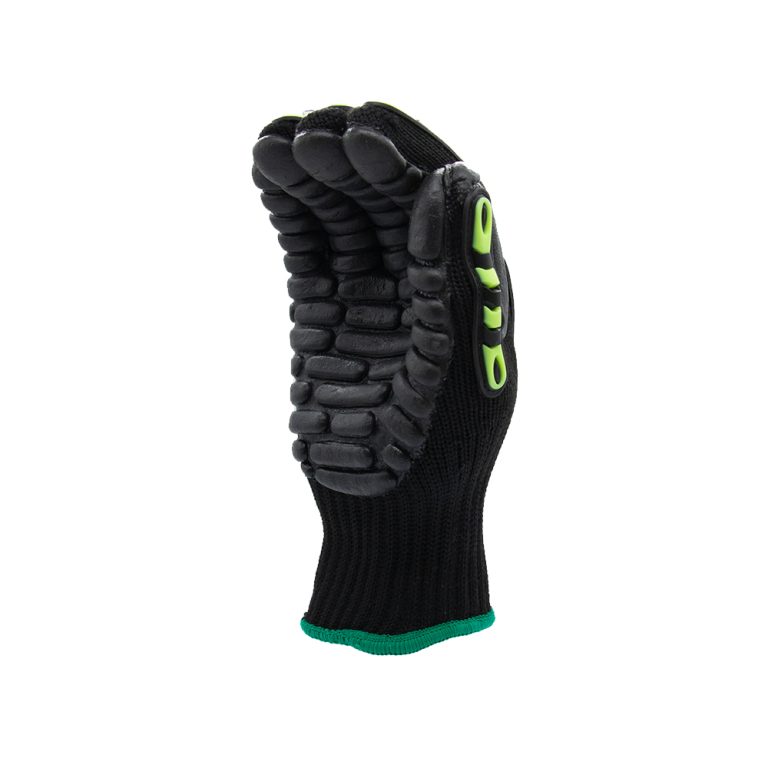
For powered tools or impact-prone work, padding may reduce localized pressure but can add bulk. Compare the glove with the actual tool, trigger, and controls. If vibration is a primary hazard, the glove is only one part of a broader control program.
Wet, Cold, or Outdoor Work
Waterproof gloves can prevent liquid ingress, while cold-weather designs add insulation and grip for lower temperatures. These constructions should be checked for cuff coverage, flexibility, and moisture build-up during the full work cycle. Outdoor programs may also combine wet handling with abrasion, repetitive wrist movement, or changing temperatures, so a single label such as “winter” is not enough for selection.
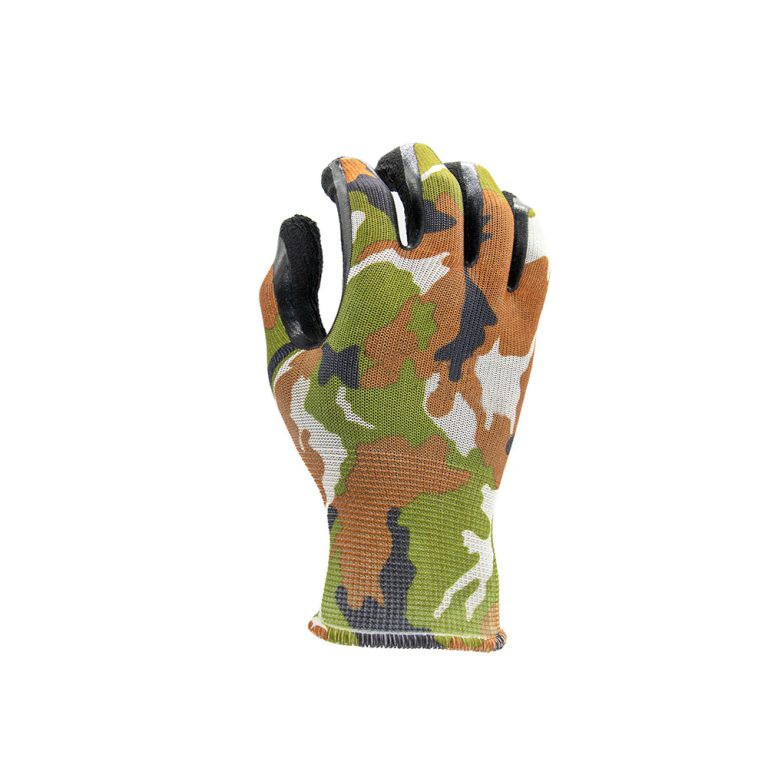
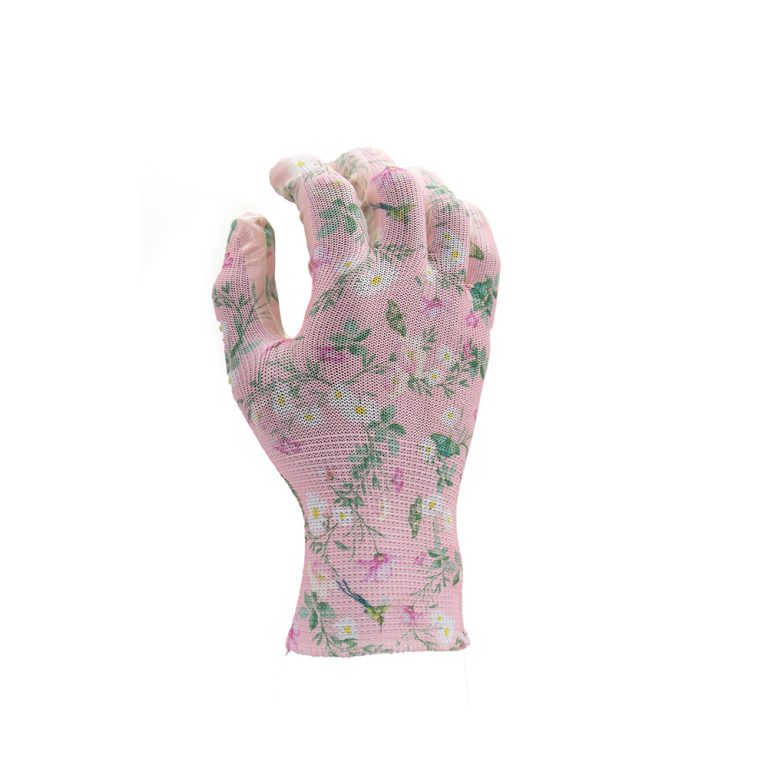
PONWELL’s range is organized around these application differences, including industrial work glove categories for gardening, shock protection, cut resistance, waterproof handling, cold-weather use, and glued constructions. The relevant choice should be made from the hazard, material, and work cycle rather than from a broad product label.
Common Selection Mistakes That Increase Fatigue
One frequent mistake is choosing the thickest glove as a general-purpose solution. Extra material can reduce tactile feedback and encourage more force. The opposite mistake is selecting a thin glove for work requiring abrasion, cut, or impact protection. A coating name is also not proof of grip in every condition: texture, oil, water, temperature, and handled material affect performance.
Avoid approving one size merely for inventory convenience. Poor sizing creates pressure or slippage. Do not judge a sample only by its first-day appearance: review wear at fingertips, thumb joints, and palm contact zones, then confirm construction consistency across the required sizes and order volume.
A Practical B2B Evaluation Workflow
- Define the work interface. Record the tool, material, contact pressure, repetition rate, shift length, climate, cleaning routine, and hazards.
- Set measurable requirements. Include size range, liner or gauge preference, coating coverage, cuff type, grip conditions, protection level, packaging, and target volume.
- Run a representative trial. Have operators use the same tools and materials they use in production. Track grip failures, adjustments, moisture, dexterity, discomfort, coating wear, and replacement causes.
- Verify documentation. Request the technical data sheet and test evidence for the exact model and construction. Where relevant, review general glove requirements under EN ISO 21420 and mechanical-risk results under EN 388.
- Check supply continuity. For repeat orders, confirm approval samples, change controls, carton information, labeling, and replenishment communication.
PONWELL’s 7-needle terry latex breathable reinforced-finger glove is positioned for automotive, metalworking, precision assembly, warehouse, and logistics tasks. Its listed construction combines terry knit, breathable latex palm and finger coating, and reinforced fingertips. It is a logical trial sample where moisture, grip, and wear points matter, subject to workplace verification.
Working With a Supplier on Fit and Productivity
A capable supplier should discuss more than color and unit price. Ask how liner, coating, cuff, sizing, and packaging will remain consistent between approval samples and production. For private label, request a written specification, reference sample, and change-control process.
PONWELL supports product development and OEM/ODM discussions alongside its glove categories. Buyers can review the company profile, then send the application, protection target, size mix, volume, and packaging needs through the technical inquiry page.
Conclusion
Working gloves reduce hand fatigue when they make the task easier to control: the fit is stable, the grip matches the handled surface, the material flexes with the hand, and heat or moisture stays manageable. Productivity improves when these small reductions in effort persist across thousands of repetitions. Select by hazard and work cycle, validate with operators, and verify the exact construction before scaling a purchase. With application-specific ranges and OEM/ODM support, PONWELL can be considered for a structured glove trial or bulk sourcing review.
FAQ
Do Work Gloves Really Reduce Hand Fatigue?
They can reduce avoidable effort when fit, grip, flexibility, and moisture control match the task. They cannot compensate for an unsuitable tool, excessive vibration, or an unresolved ergonomic problem.
Are Lightweight Gloves Always Better for Productivity?
No. Lightweight gloves may improve dexterity, but cut, impact, chemical, cold, or liquid hazards can require additional material. The right choice balances protection with the minimum practical bulk.
How Should a Company Test a New Glove?
Use the same tools, materials, shift duration, climate, and cleaning routine found at the target workstation. Record grip, adjustments, comfort, dexterity, wear, and replacement reasons using the same criteria for every sample.
Can a Glove Eliminate Hand Fatigue?
No glove can guarantee that outcome. Fatigue also depends on task design, force, repetition, tool vibration, rest opportunities, and worker fit. Gloves should support a broader ergonomic and safety program.
What Information Should Be Included in an RFQ?
Share the application, hazards, materials handled, size mix, coating preference, protection target, annual quantity, destination, packaging, and any drawing or private-label requirement. This gives the supplier enough context to recommend a testable construction.
For a fit check or quotation, contact PONWELL with the model or application, dimensions or size mix, materials handled, operating conditions, expected quantity, and required packaging or documentation.