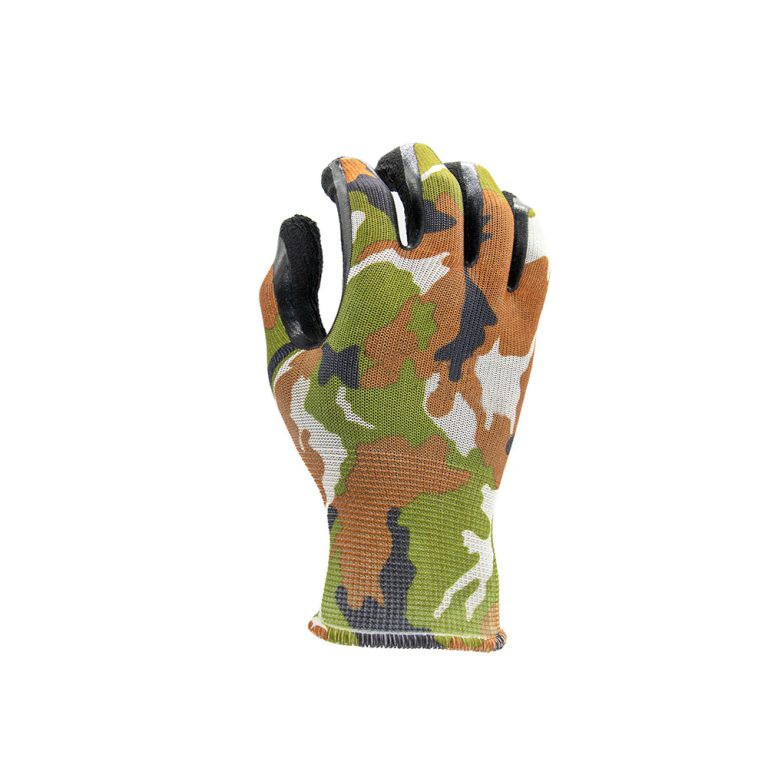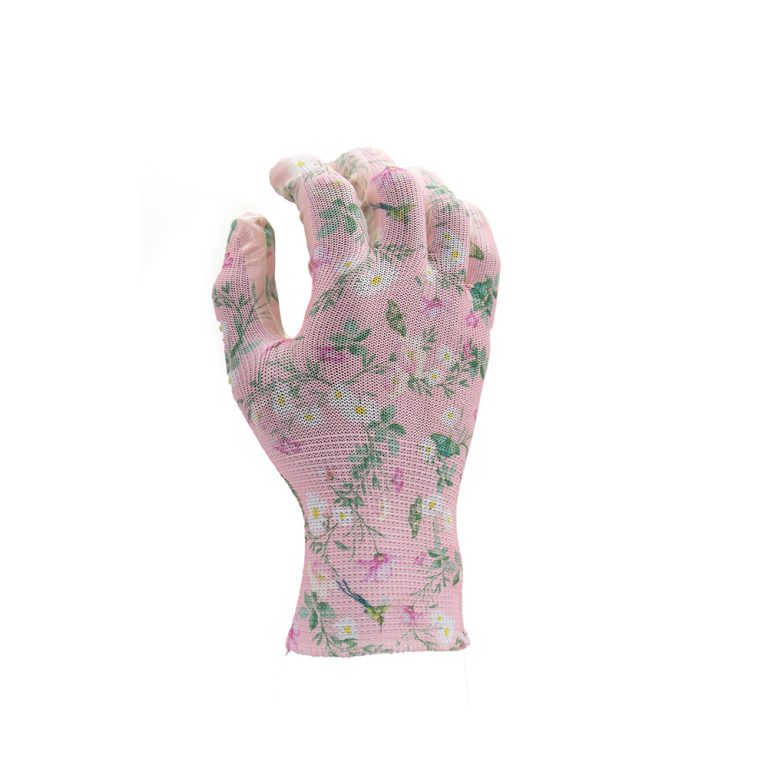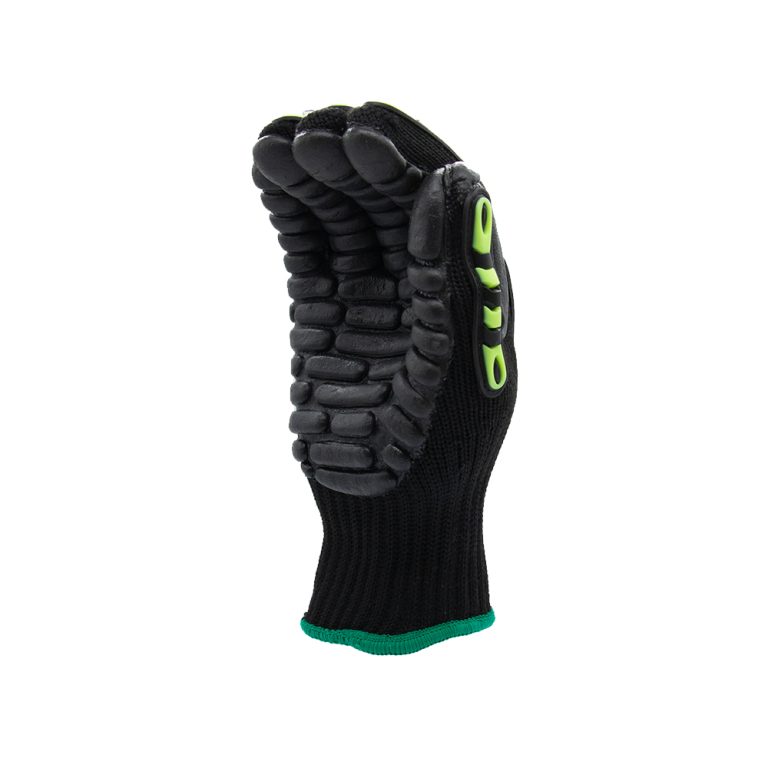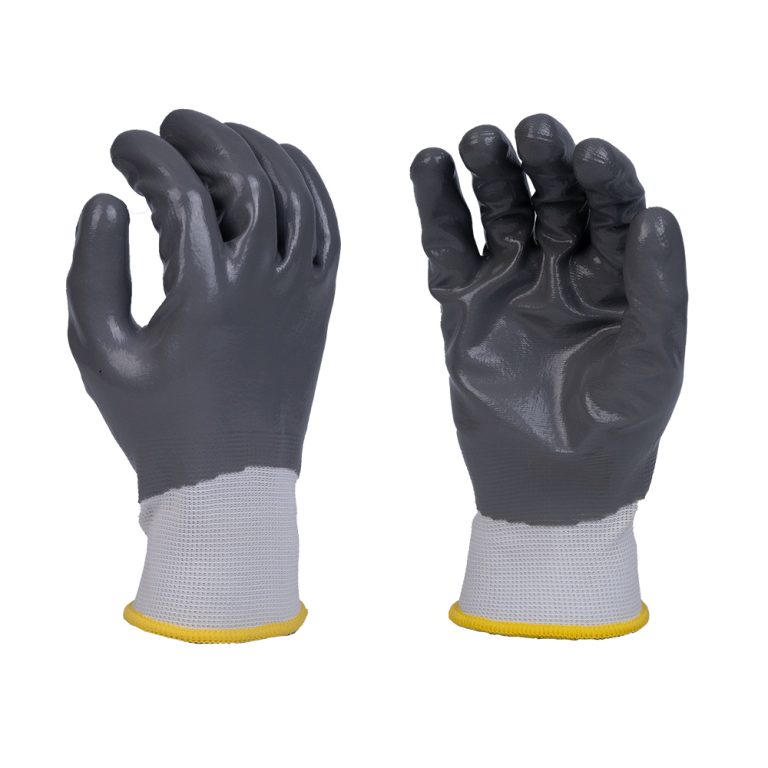

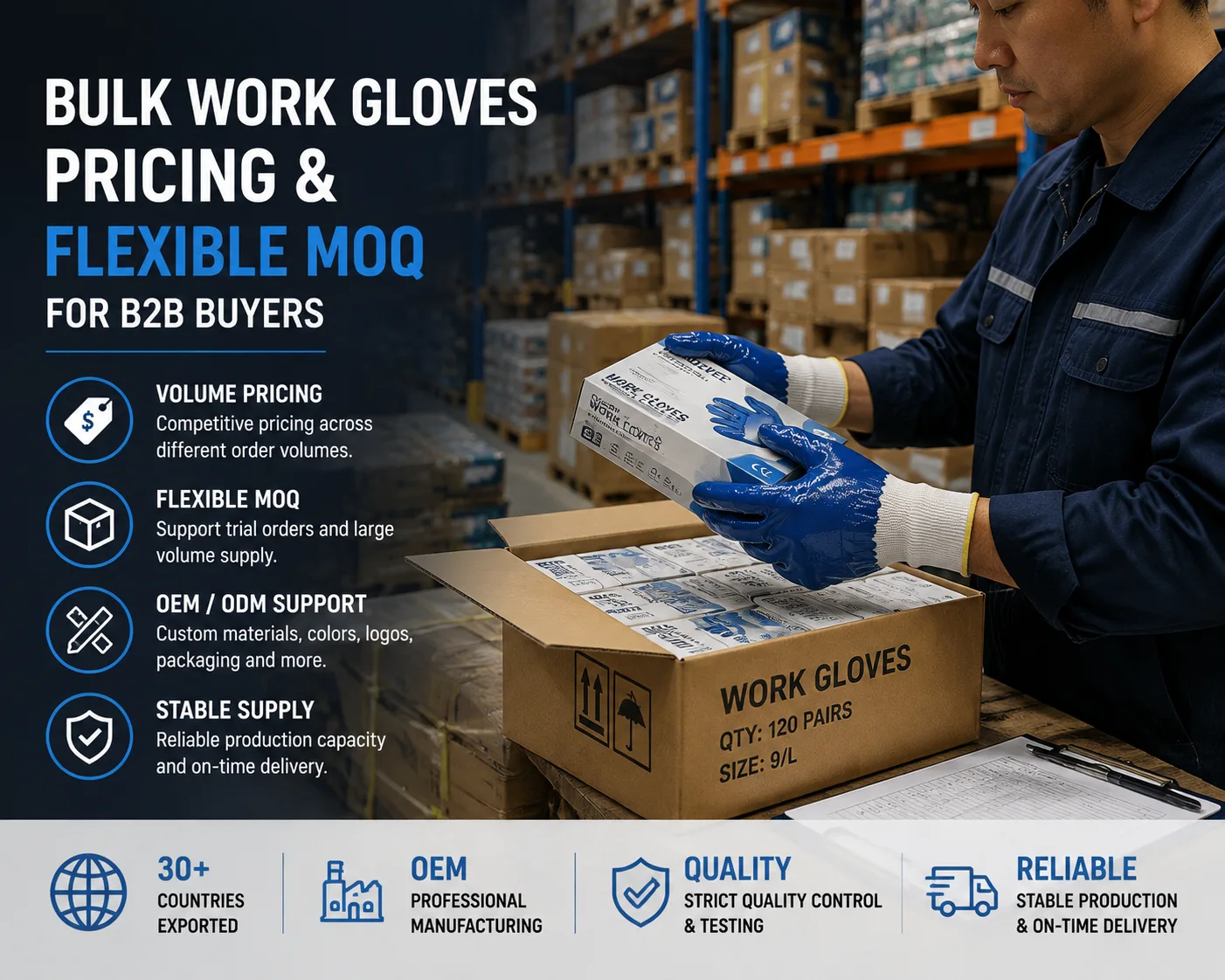
Bulk work glove sourcing involves more than comparing price per pair. For industrial distributors, importers, wholesalers, contractors, and PPE procurement programs, pricing is affected by order volume, materials, protection requirements, customization, packaging, compliance, and delivery terms. Flexible MOQ can also influence inventory planning and SKU management.
What Determines Working Gloves Bulk Pricing?
Material and Protection Requirements
Material selection is one of the first pricing variables in a bulk work glove quotation. Industrial gloves may combine knitted liners with nitrile, latex, polyurethane, HPPE, thermal insulation, waterproof membranes, impact structures, or specialty grip finishes. Published OEM/ODM capabilities include material selection, coating systems, ergonomic design, thermal insulation, grip patterns, waterproof features, colors, and logos.
For procurement comparison, unit prices should be reviewed only after the construction specification is normalized. Similar-looking gloves can carry different costs because fiber composition, liner gauge, coating coverage, finish, reinforcement, cuff design, or protection requirements differ.
Order Quantity, Customization, and Packaging
Larger production runs can distribute setup, printing, packaging preparation, and production-planning costs across more units. However, bulk pricing should be requested in volume tiers rather than treated as one “lowest price” figure. The manufacturer states that its production setup can support both large-scale global orders and smaller specialized batches.
OEM and private-label projects can also involve logo application, color combinations, branded packaging, carton specifications, and other market-specific details. Published capabilities include packaging in polybags, boxes, or bulk cartons according to branding requirements. These variables should be defined before final price comparison.
Why Flexible MOQ Matters in B2B Glove Procurement
Lower Inventory Risk for New Programs
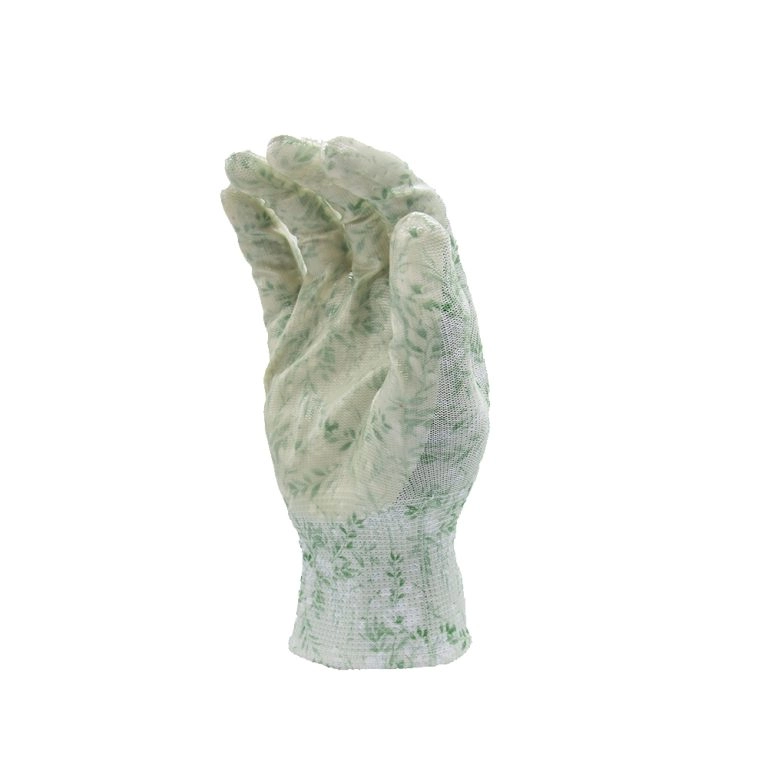
Flexible MOQ is relevant when a distributor or importer launches a new glove model, enters a new market, or tests demand across several sizes. Smaller qualified batches can reduce inventory exposure while purchasing teams validate sell-through, sizing, packaging, and replenishment rhythm.
Flexible MOQ does not mean every specification can be produced economically at every quantity. Custom fibers, coatings, colors, printing, packaging materials, or testing requirements can create minimum production constraints. MOQ should therefore be treated as a specification-dependent commercial variable rather than a universal number.
Better Control of Multi-SKU Orders
Industrial glove programs commonly include multiple sizes and protection types. MOQ flexibility can help balance purchasing volume across cut-resistant, waterproof, shockproof, cold-weather, coated, or gardening glove lines without overstocking slower-moving variants.
For purchasing departments, a useful MOQ discussion should clarify whether the minimum applies per model, color, size mix, packaging design, or production run. The same logic is important for repeat orders, where replenishment quantities may differ from an initial launch order.
How Procurement Teams Should Compare Bulk Work Glove Quotations
Normalize the Technical Specification First
Hand protection should be selected according to actual hazards and task conditions. U.S. occupational safety requirements state that selection should reflect performance characteristics relative to the task, workplace conditions, duration of use, and identified hazards. ISO 21420 covers general requirements such as glove design, construction, comfort, marking, and manufacturer information, while ANSI/ISEA 105-2024 classifies performance properties including cut, puncture, abrasion, chemical, and vibration-related protection.
A B2B quotation should therefore define the intended application, glove construction, coating, protection requirement, size range, and required testing or documentation before prices are compared.
Compare the Complete Cost Structure
A professional RFQ should compare more than ex-factory unit price, including:
- Unit price by order-volume tier
- Sampling or development charges
- Logo and packaging setup
- Carton quantity and dimensions
- Testing or documentation requirements
- Production lead time
- Trade terms and freight responsibility
- Payment terms and quality-claim procedure
This structure reduces the risk of a low quoted price producing higher landed or operational cost.
Sampling, Quality Control, and Reorder Stability
Use Sampling as the Approved Production Reference
Sampling is especially important for customized work gloves because it establishes the approved reference before mass production. The published OEM/ODM workflow includes requirement analysis, proposal and quotation, then sampling and iterative development. Quality-control information also lists incoming inspection of fabrics, latex, nitrile, and chemicals, plus in-process checks such as coating thickness, seam strength, and dimensional accuracy.
Sample approval criteria can cover dimensions, fit, coating coverage, grip texture, stitching, color, logo placement, packaging, labeling, and required performance documentation. PONWELL supports OEM/ODM development through requirement analysis, quotation, sampling, and production coordination, allowing B2B projects to align product specifications before bulk manufacturing.
Define Reorder Conditions Before the First PO
Initial order terms should be reviewed together with repeat-order conditions. Purchasing teams should clarify whether the same MOQ applies to replenishment, whether mixed sizes are permitted, whether packaging materials create separate minimums, and whether an approved construction can be repeated consistently.
For distributors and importers, sourcing becomes more predictable when quantity rules, packaging, sample standards, and repeat-order specifications are established before routine replenishment.
Building an RFQ for Better Bulk Pricing and MOQ Terms
Provide Several Volume Scenarios
A stronger RFQ gives the factory enough information to quote realistically. Instead of requesting only one quantity, procurement teams can provide trial volume, expected routine order quantity, and estimated annual demand. Published quotation procedures consider target market, performance requirements, budget, timeline, technical specifications, and project schedule.
This helps pricing and MOQ discussions reflect the likely purchasing pattern rather than one isolated shipment.
Separate Mandatory and Flexible Requirements
RFQs should distinguish requirements that cannot change from those open to optimization. Performance level, application, coating type, or documentation may be fixed, while color, logo method, packaging format, or carton configuration may remain flexible.
That separation creates room for manufacturing efficiency and makes alternative quotations easier to compare on a like-for-like basis.
Preguntas frecuentes
Is There a Standard MOQ for Bulk Work Gloves?
MOQ depends on glove construction, materials, customization, packaging, and order requirements. Different production quantities may be suitable for standard products and specialized projects, so MOQ is generally confirmed according to the specifications and expected purchasing volume.
Does a Larger Order Always Receive a Lower Unit Price?
Higher volumes may improve production efficiency, but unit pricing also depends on materials, coating, protection features, size range, customization, packaging, and testing requirements. Bulk quotations are more meaningful when different volume tiers are compared under the same product specification.
Can OEM and ODM Programs Use Flexible MOQ?
OEM and ODM projects can involve custom materials, colors, logos, functional features, and packaging. Feasible order quantities therefore depend on the level of customization and production requirements. Sampling and specification confirmation are typically completed before bulk production arrangements are finalized.
What Information Is Needed for an Accurate Bulk Glove Quotation?
A practical RFQ should include glove type, application, materials or coating, size range, target quantity, customization, packaging, destination, and required delivery schedule. Clear specifications help manufacturers evaluate feasible MOQ, volume pricing, sampling needs, and production arrangements more accurately.
Bulk Work Gloves Pricing and Flexible MOQ for B2B Sourcing
Bulk work glove sourcing should balance pricing, MOQ flexibility, specifications, customization, and supply consistency. For active B2B projects, PONWELL can review target quantities, glove requirements, packaging, and OEM/ODM needs to prepare a project-based quotation. Procurement teams can contact PONWELL with an RFQ or sample request to discuss feasible MOQ, volume pricing, and production arrangements.