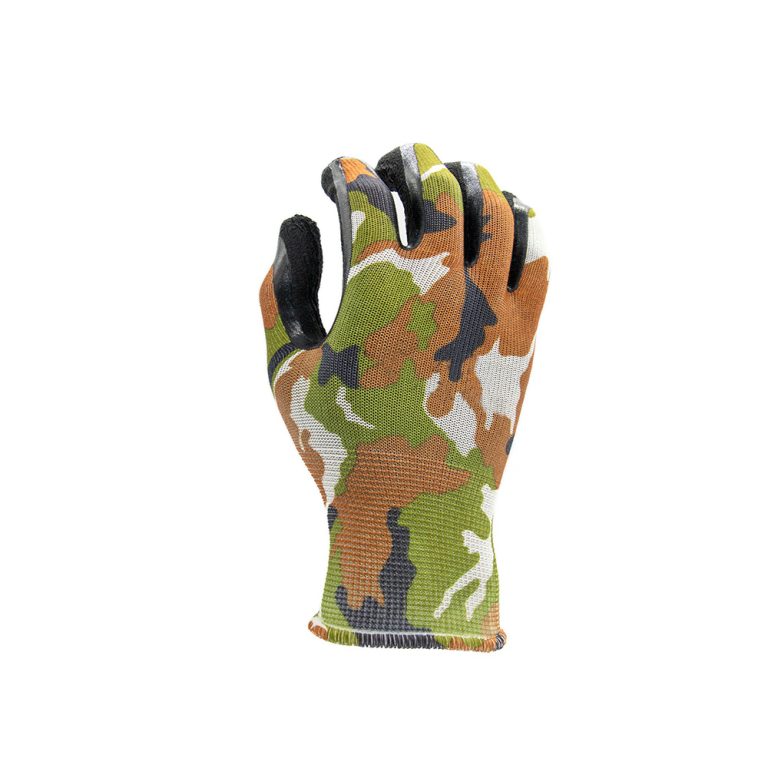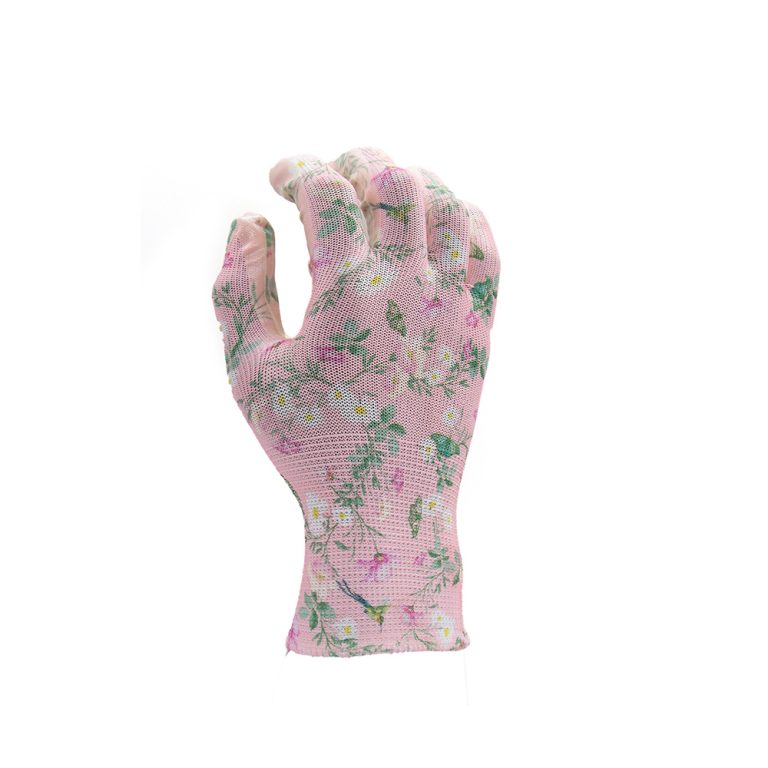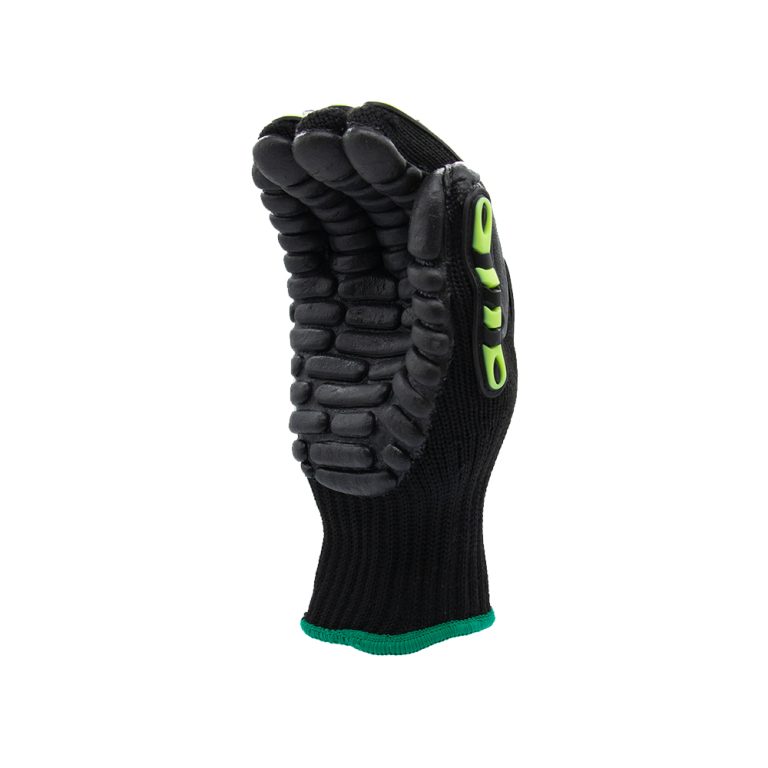

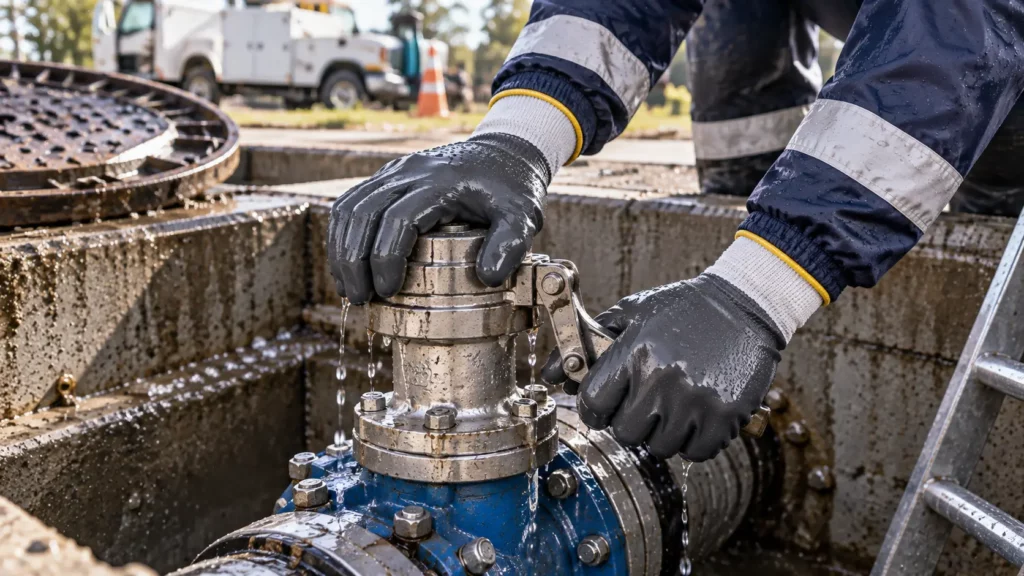
Waterproof work gloves for water utility maintenance must do more than repel rain. Crews working around valves, meter boxes, pump stations, hydrants, and below-grade pits need hand protection that helps keep hands dry while preserving grip, dexterity, and control of tools. For procurement teams, the practical question is not simply whether a glove is labeled “waterproof.” It is whether the construction matches sustained water exposure, wet or oily components, abrasive surfaces, and the actual maintenance task.
Why Water Utility Maintenance Requires More Than Water Resistance
Water utility crews often work in conditions that combine several hazards:
- Standing water in pits and valve chambers
- Wet valve wheels, couplings, pipes, and fittings
- Mud, grit, and abrasive concrete edges
- Oils or lubricants around pumps and mechanical equipment
- Repeated tool handling during repairs
- Cold outdoor temperatures and wet-weather exposure
A water-resistant glove may shed light moisture but eventually allow water through the coating, seams, or cuff. That can leave the liner damp and reduce comfort during a long shift. A fully coated waterproof glove is more suitable when liquid contact is frequent or when hands may remain close to water for extended periods.
The cuff is also important. Water can enter from the wrist even when the palm coating performs well. An elastic cuff can improve stability and reduce the chance of water, dust, or debris entering at the opening. However, the glove should not be treated as a substitute for chemical protection, electrical safety procedures, or confined-space controls. Those requirements must be specified separately.
Construction Features to Check Before Ordering
1. Full coating versus partial coating
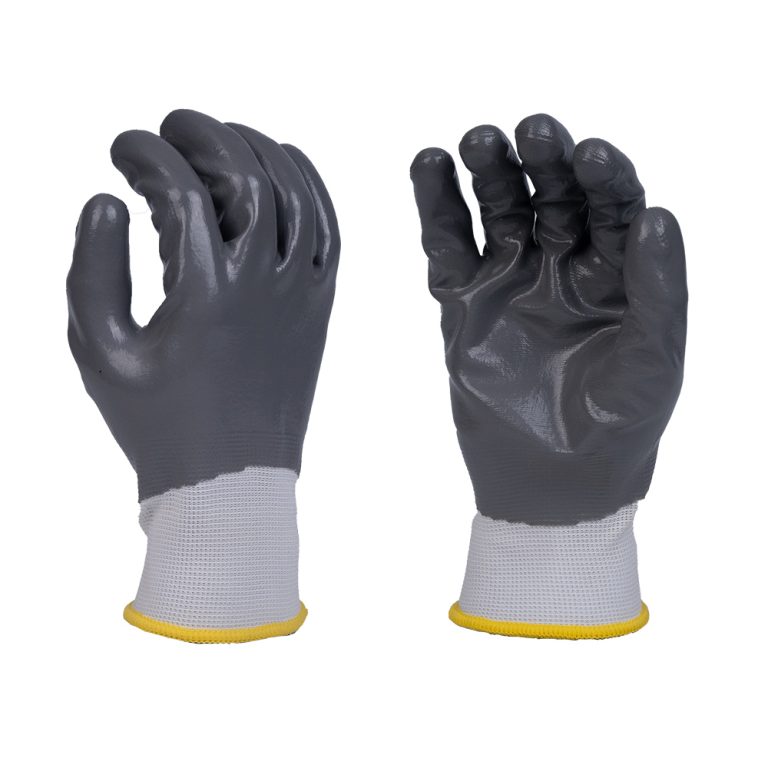
For persistent wet work, compare a fully coated palm-and-back construction with a glove that coats only the palm. PONWELL’s 13-needle nitrile smooth, fully waterproof glove is listed with a full nitrile coating. The product description positions this construction for work involving water, oil, chemicals, mud, and industrial fluids.
A full coating can help prevent liquid from reaching the hand through the fabric. It may also simplify cleaning after contact with mud or oily components. Confirm the intended chemical compatibility with the supplier before using the glove around disinfectants, treatment chemicals, fuels, or aggressive cleaning agents.
2. Nitrile, latex, and task fit
Nitrile is relevant when crews handle oily tools, lubricated valve components, or mechanical equipment. PONWELL describes its smooth nitrile coating as resistant to oil, water, and many industrial fluids. This is useful for maintenance environments, but the exact resistance depends on the substance, concentration, temperature, and exposure time.
Latex-coated waterproof gloves may offer useful wet grip and flexibility for general outdoor work. They may not be the right choice for every wearer or chemical exposure. Procurement specifications should identify the liquid or substance involved rather than relying on a generic “chemical resistant” label.
3. Liner gauge and dexterity
Valve maintenance often requires turning handwheels, positioning small fasteners, using wrenches, and manipulating fittings. A glove that is too bulky can reduce control and encourage workers to remove it.
The PONWELL product page describes a flexible knitted liner intended to balance dexterity, comfort, and protection. When comparing models, check how the liner, coating thickness, and palm texture affect fine motor control. Ask for samples when the task involves small components or repeated tool changes.
4. Grip and abrasion resistance
Wet metal is difficult to hold, especially when gloves are contaminated with mud or lubricant. A smooth coating may be easy to clean, while a textured or frosted surface may provide additional wet grip. The correct choice depends on whether the crew prioritizes cleanability, tactile control, or handling of rough surfaces.
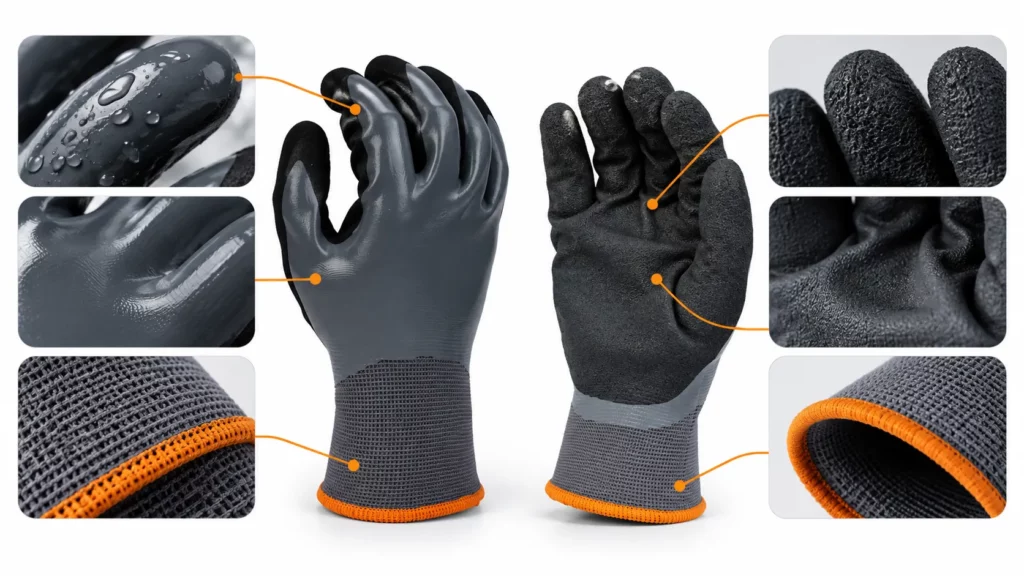
Also assess abrasion exposure. Valve boxes, concrete edges, pipe supports, and hand tools can wear through the palm. PONWELL describes its nitrile waterproof model as suitable for heavy-duty use and abrasion exposure, but buyers should verify the relevant test data and product specification before establishing a formal PPE requirement.
A Practical Selection Checklist for Valve and Pit Work
Before approving a waterproof work glove, document the following conditions:
- Liquid exposure:Is the task occasional splash, continuous contact, immersion risk, or wet-weather work?
- Substances present:Will workers handle clean water, wastewater, oil, lubricant, disinfectant, or treatment chemicals?
- Grip demand:Are crews turning valves, lifting wet components, using tools, or handling smooth pipe?
- Abrasion sources:Will gloves contact concrete, metal edges, gravel, or rough castings?
- Dexterity requirement:Are small fasteners, clips, meters, or instrument connections involved?
- Temperature:Is insulation needed, or could a thick liner create overheating and reduced control?
- Cuff and fit:Does the cuff remain stable during repeated movement and bending?
- Sizing:Can the supplier provide a size range that fits the entire crew without excessive looseness?
- Cleaning and replacement:Can supervisors inspect, clean, dry, and replace gloves consistently?
- Documentation:Are coating material, liner construction, intended applications, and limitations clearly stated?
This checklist helps buyers avoid selecting a glove based only on a product title or a single waterproof claim.
Matching Gloves to Common Utility Tasks
For valve-box inspection and routine outdoor checks, a flexible waterproof glove with dependable grip may be sufficient when the main risks are rain, mud, and wet metal.
For pump or mechanical maintenance, oil resistance and abrasion performance become more important. A full nitrile coating may be relevant, but chemical compatibility should be confirmed for the specific lubricant or cleaning agent.
For work inside pits or chambers, buyers should consider the total PPE system. Waterproof gloves can help keep hands dry, but they do not address atmospheric hazards, fall risks, water level changes, biological exposure, or rescue requirements. The glove specification should be integrated into the utility’s broader safe-work procedure.
For cold-weather maintenance, compare waterproofing with insulation and dexterity. A warmer glove is not automatically a better choice if it makes valve operation or tool handling difficult. PONWELL also lists cold-weather glove categories, allowing buyers to evaluate whether a separate insulated model is more appropriate than adding bulk to a general waterproof glove.
Supplier and RFQ Checks
A useful RFQ should describe the work rather than request “waterproof gloves” without context. Include:
- Utility task and expected exposure duration
- Water, oil, or chemical contact
- Required grip and dexterity
- Abrasion or puncture concerns
- Temperature range
- Preferred cuff style
- Size distribution
- Trial quantity and annual demand
- Required packaging or private-label details, if applicable
PONWELL presents itself as a personal protective equipment supplier serving the United States, European Union, Middle East, Africa, and South America. Buyers can review the waterproof gloves category, compare the 13-needle nitrile smooth fully waterproof glove, and use the PONWELL product guide to identify a suitable starting model. Final fit should be confirmed against the supplier’s current specification and the utility’s own risk assessment.
Conclusion
Selecting waterproof work gloves for water utility maintenance is an application-fit decision. Full coating, cuff stability, grip, abrasion resistance, liner flexibility, chemical compatibility, temperature, and sizing all influence whether crews can work safely and consistently around valves and pits. A structured RFQ and short field trial can reveal problems that a product label cannot. The goal is a glove that keeps hands drier without sacrificing the control needed for tools, fittings, and wet components.
Häufig gestellte Fragen
Are waterproof gloves suitable for all water utility work?
No. They may suit wet handling and maintenance tasks, but they do not replace task-specific chemical, electrical, biological, or confined-space protection.
Is a fully coated glove better than a palm-coated glove?
For sustained liquid exposure, a full coating can provide more complete coverage. For lighter splash exposure, a partial coating may offer better breathability and flexibility.
Why does cuff design matter?
A stable cuff can reduce water and debris entry at the wrist and help keep the glove positioned during repeated movement.
Should utility crews choose insulated waterproof gloves?
Only when cold exposure justifies the added bulk. Confirm that insulation does not interfere with valve operation, tool handling, or required dexterity.
What information should be included in a glove RFQ?
State the task, liquids, temperature, grip demand, abrasion exposure, sizes, quantity, and any required documentation or packaging.
Request a Water Utility Glove Fit Check
For a fit check or RFQ, send PONWELL the task description, liquid exposure, temperature range, glove sizes, expected quantity, and any relevant tool or component details through the technical inquiry channel.