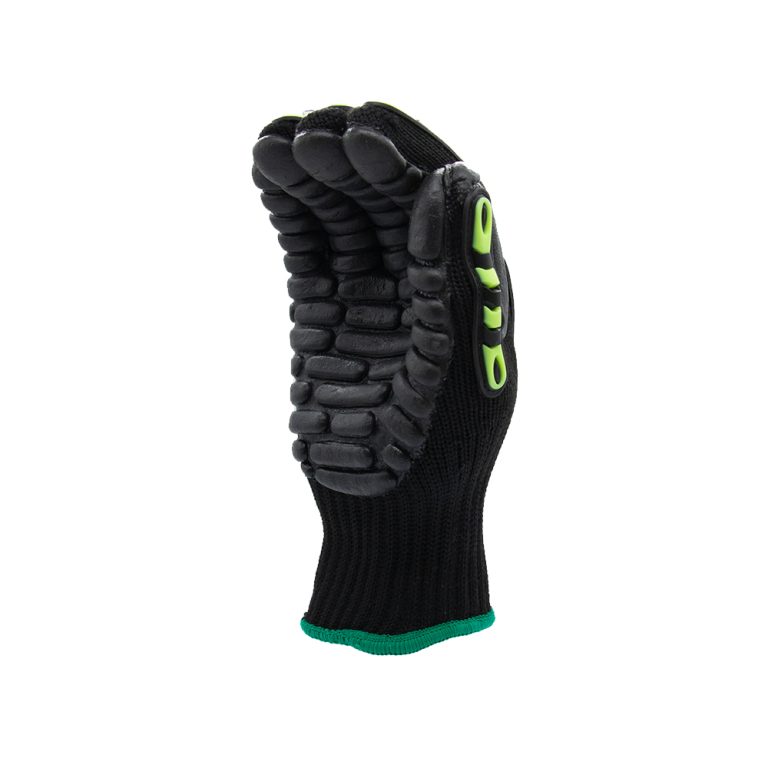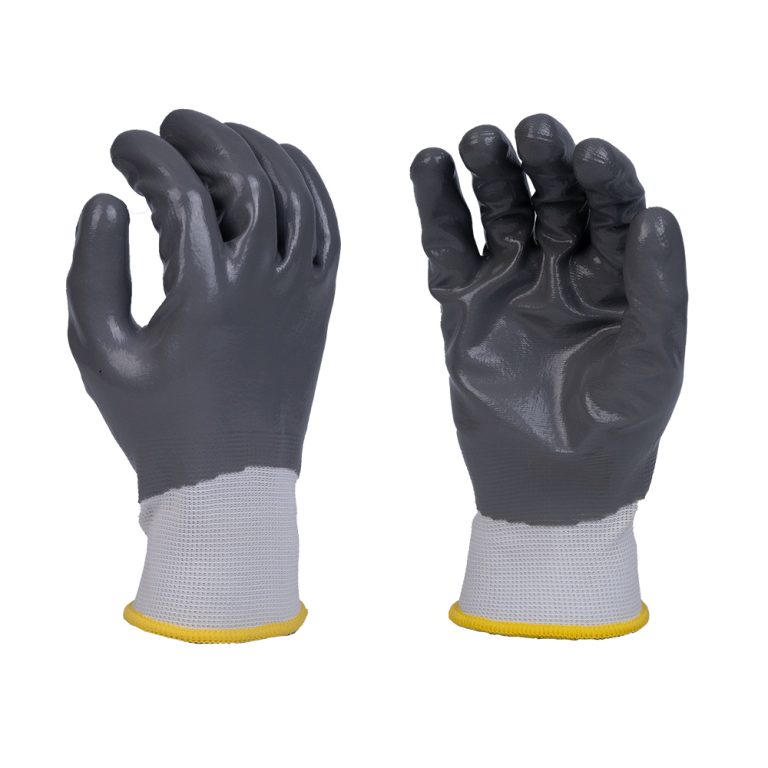

Injuries to hands at workplace continue to be one of the most serious safety issues in various sectors like manufacturing, construction, and maintenance. The proper selection of industrial working gloves demands a lot of assessment of various factors. PONWELL develops functional PPE hand protection solutions, including functional industrial safety gloves, cut-resistant, waterproof, impact-resistant, and specialized working gloves for global industrial applications.
Why Advanced Safety Features Matter in Industrial Working Gloves
Increasing Requirements for Workplace Hand Protection
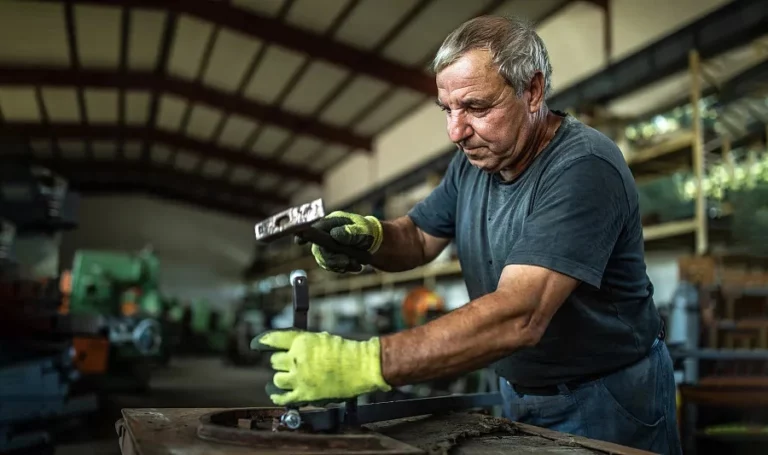
The hands are one of the body parts that are exposed to the greatest extent in industrial processes. These can range from manufacturing, construction, logistics, maintenance, agriculture, and any other outdoor industries.
Common workplace hazards include:
- Sharp edges from metal, glass, and machinery components
- Impact from tools and heavy materials
- Abrasion caused by repetitive handling operations
- Vibration exposure from power equipment
- Moisture, oil, and chemical-related working conditions
- Cold or heat exposure during outdoor and industrial operations
For industrial buyers, safety gloves must be selected according to actual working environments rather than based only on general protection claims.
The Importance of Balancing Protection and Productivity
An advanced industrial glove must ensure protection and at the same time be flexible, have good grip properties, and provide operational convenience. Thick gloves will limit the hand’s movement and the efficiency of the operation, whereas insufficiently protected hands may become risky at the place of work.
Consequently, procurement of such gloves must pay great attention to the overall performance of gloves.
Key Safety Features of Modern Industrial Working Gloves
Cut Resistance for High-Risk Material Handling
Cut-resistant gloves are widely used in industries involving metal processing, automotive components, machinery maintenance, construction materials, and glass handling.
Modern cut-resistant glove designs use high-performance fibers, reinforced liners, and durable coating technologies to improve resistance against sharp materials. The protection level is usually evaluated through internationally recognized testing standards, including EN 388 mechanical protection requirements and ANSI/ISEA cut resistance classifications.
For procurement teams, selecting the appropriate cut-resistant level requires analyzing:
- Material sharpness
- Frequency of contact
- Required dexterity
- Working duration
- Replacement cycle expectations
A suitable cut-resistant glove should provide sufficient protection without compromising handling precision.
Impact Protection for Heavy-Duty Applications
Impact injuries often occur in construction, equipment maintenance, manufacturing, and material handling environments. Modern impact protection gloves incorporate reinforced structures on areas such as the knuckles and back of the hand to help absorb external impact forces.
For industrial applications involving heavy tools, machinery parts, or transportation operations, impact protection is an important consideration during glove sourcing.
Procurement teams should evaluate whether impact-resistant gloves provide:
- Effective impact absorption
- Flexible finger movement
- Secure fitting performance
- Long-term durability under repeated use
Anti-Vibration Performance for Power Tool Applications
Workers operating vibrating tools may experience increased hand fatigue and discomfort due to continuous vibration exposure. Anti-vibration gloves are designed with shock-absorbing materials and specialized padding structures to reduce vibration transmission.
Applications commonly requiring vibration protection include:
- Construction equipment operation
- Grinding operations
- Mechanical maintenance
- Power tool usage
For B2B purchasing decisions, vibration protection should be evaluated together with grip performance, abrasion resistance, and overall glove lifespan.
Waterproof and Moisture-Resistant Protection
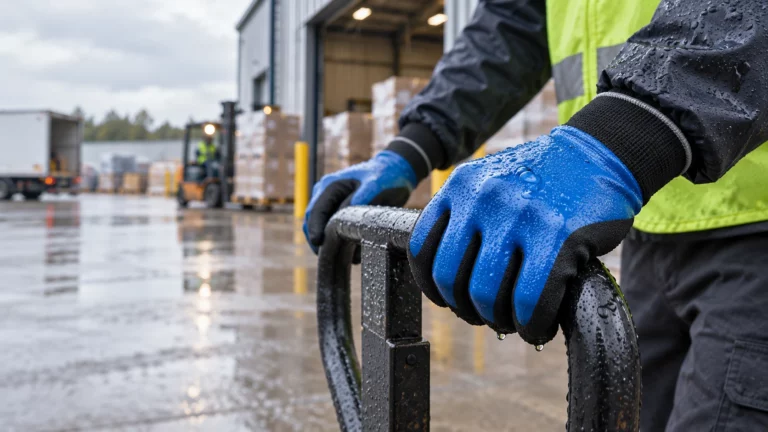
Moisture can reduce grip stability and increase operational risks. Waterproof working gloves are commonly required for outdoor operations, agricultural work, maintenance environments, and industries involving liquid exposure.
Important performance factors include:
- Water-resistant outer materials
- Protective coatings
- Secure glove construction
- Maintaining flexibility in wet conditions
For industrial buyers, waterproof performance should be considered together with durability and comfort to ensure reliable protection throughout working shifts.
Thermal Protection for Cold and Heat Environments
Extreme temperatures can affect worker safety and operational efficiency. Cold-resistant gloves help maintain hand flexibility in low-temperature environments, while heat-resistant gloves are designed for applications involving elevated temperatures.
Procurement evaluation should consider:
- Operating temperature range
- Exposure duration
- Required insulation performance
- Material durability
Choosing suitable thermal protection helps reduce risks caused by reduced hand sensitivity and uncomfortable working conditions.
Important Standards for Selecting Industrial Safety Gloves
Understanding Safety Performance Requirements
Professional glove procurement requires attention to relevant safety standards. Standards provide a structured method for evaluating protection performance and product suitability.
Common evaluation areas include:
- Mechanical protection performance
- Cut resistance
- Abrasion resistance
- Tear resistance
- Puncture resistance
- Impact protection
For international industrial supply projects, compliance with recognized safety requirements helps ensure consistent product quality and application suitability.
Evaluating Product Quality Beyond Test Results
Safety standards are an important reference, but procurement teams should also consider manufacturing consistency, material control, and quality management processes.
Reliable glove suppliers should maintain stable production procedures to ensure that large-volume orders achieve consistent performance.
Material Selection and Manufacturing Capability
How Materials Influence Glove Performance
The materials used in industrial gloves directly affect protection capability, comfort, and service life.
Different applications require different material combinations, including:
- High-strength protective fibers for cut resistance
- Durable coatings for abrasion protection
- Flexible materials for improved dexterity
- Water-resistant structures for moisture protection
- Reinforced layers for heavy-duty applications
A professional manufacturer must balance technical performance with production efficiency to deliver reliable industrial PPE solutions.
Why Manufacturing Capability Matters for B2B Buyers
For distributors, importers, and industrial companies, supplier capability is a critical purchasing factor.
Key supplier evaluation factors include:
- Production capacity
- Quality control systems
- Product consistency
- Custom development capability
- Export experience
- Stable supply management
A capable manufacturer helps reduce procurement risks and supports long-term business cooperation.
OEM and ODM Solutions for Customized Safety Gloves
Meeting Different Industry Requirements
Different industries have unique hand protection requirements. Standard products may not always meet specific operational conditions, market demands, or customer specifications.
OEM and ODM services allow businesses to develop customized glove solutions based on:
- Functional requirements
- Material selection
- Product structure
- Packaging requirements
- Market positioning
Supporting Global PPE Procurement Projects
For international buyers, cooperation with manufacturers offering customization services can improve product differentiation and supply flexibility.
Professional OEM and ODM support enables companies to develop suitable safety glove solutions for different industries and regional markets.
How to Select a Reliable Safety Glove Manufacturer
Evaluating Technical Expertise and Product Range
A reliable industrial glove supplier should provide comprehensive product solutions covering different workplace environments.
Important evaluation factors include:
- Experience in PPE manufacturing
- Functional glove development capability
- Product testing and quality management
- Ability to support different application scenarios
A broad product portfolio allows procurement teams to source multiple protection solutions from one experienced manufacturer.
Considering Long-Term Supply Partnership
Industrial glove procurement is not only a product purchase but also a supply chain decision.
Long-term supplier cooperation should consider:
- Consistent product quality
- Communication efficiency
- Production reliability
- Customization support
- Delivery management
Selecting a professional manufacturer helps businesses build a more stable PPE supply system.
Future Trends in Industrial Safety Glove Development
Multifunctional Protection Solutions
Industrial workplaces are becoming increasingly complex, creating demand for gloves that combine multiple protection functions.
Future safety glove solutions are expected to integrate:
- Cut resistance
- Impact protection
- Waterproof performance
- Enhanced grip
- Thermal protection
- Improved ergonomics
Multifunctional designs help companies simplify PPE management while improving workplace protection.
Customized and Application-Specific Glove Development
The PPE industry is moving toward more specialized solutions designed for specific working environments.
Manufacturers with strong research and development capabilities can provide customized products that better match industrial application requirements.
Conclusion
Selecting the right working gloves is an important part of improving workplace safety and reducing hand injury risks in industrial environments. For professional buyers, evaluating protection performance, product durability, manufacturing capability, and customization support is essential when choosing a reliable PPE partner.
PONWELL provides functional industrial safety glove solutions for global markets, supporting OEM/ODM cooperation and customized hand protection requirements. Contact PONWELL to discuss suitable glove solutions for specific industrial applications.
Häufig gestellte Fragen
1. What factors should companies consider when purchasing industrial safety gloves?
Companies should evaluate workplace hazards, required protection levels, glove materials, safety standards, durability, comfort, and supplier manufacturing capability before making procurement decisions.
2. What industries commonly require advanced safety gloves?
Advanced safety gloves are widely used in construction, manufacturing, machinery operations, logistics, maintenance, agriculture, outdoor work, and other industrial environments where hand protection is required.
3. Why are safety standards important for industrial glove purchasing?
Safety standards provide objective evaluation criteria for protection performance, helping procurement teams compare products and select suitable solutions for different applications.
4. Can industrial safety gloves be customized according to specific requirements?
Yes. OEM and ODM services allow businesses to customize glove materials, structures, functions, packaging, and other specifications according to application and market requirements.
5. How can buyers evaluate a professional safety glove manufacturer?
Buyers should consider manufacturing experience, quality control systems, product development capability, customization support, production capacity, and supply reliability.
6. What advantages do multifunctional working gloves provide?
Multifunctional gloves combine several protective features into one solution, helping companies improve PPE management efficiency while providing suitable protection for complex working environments.