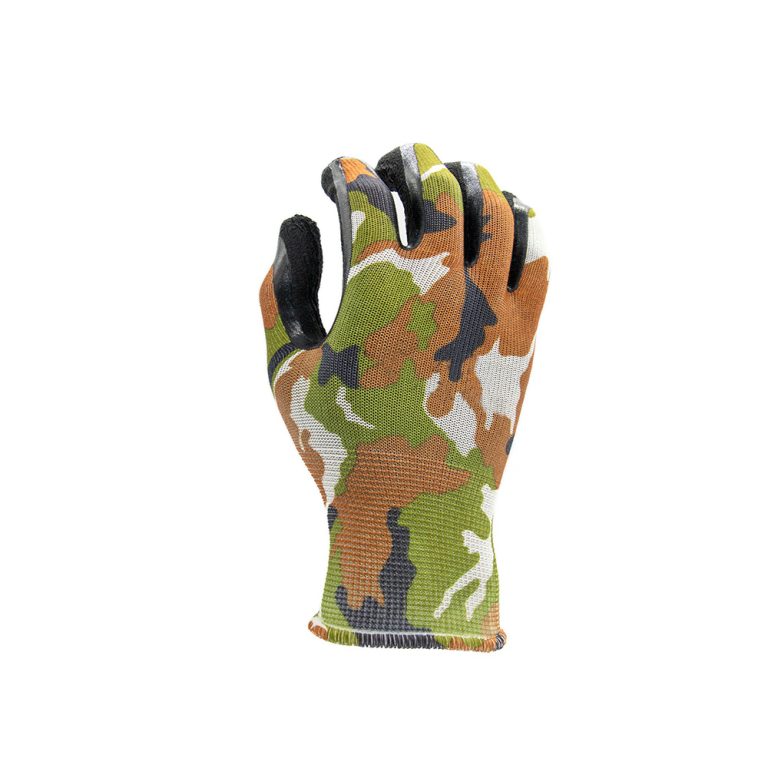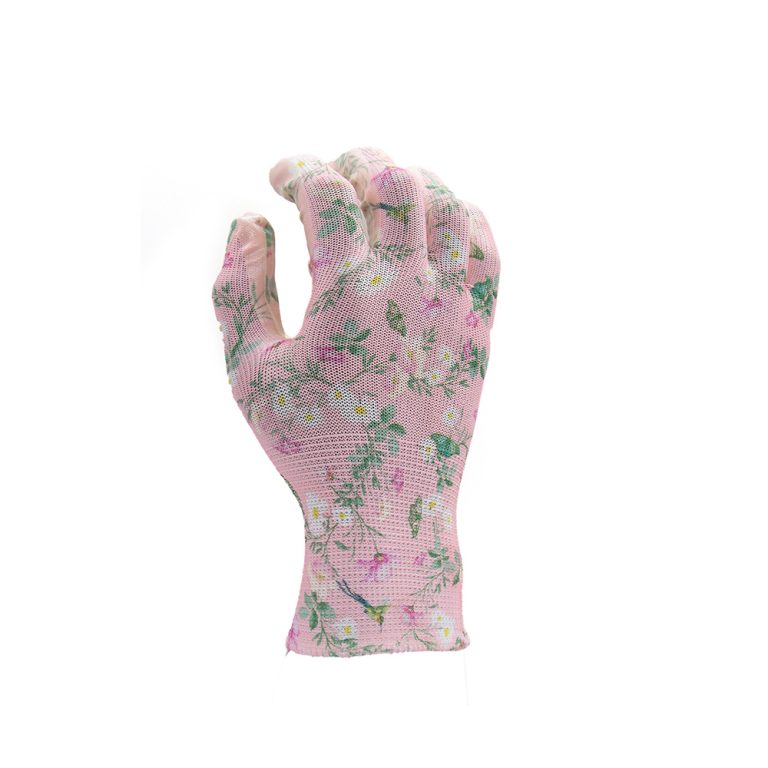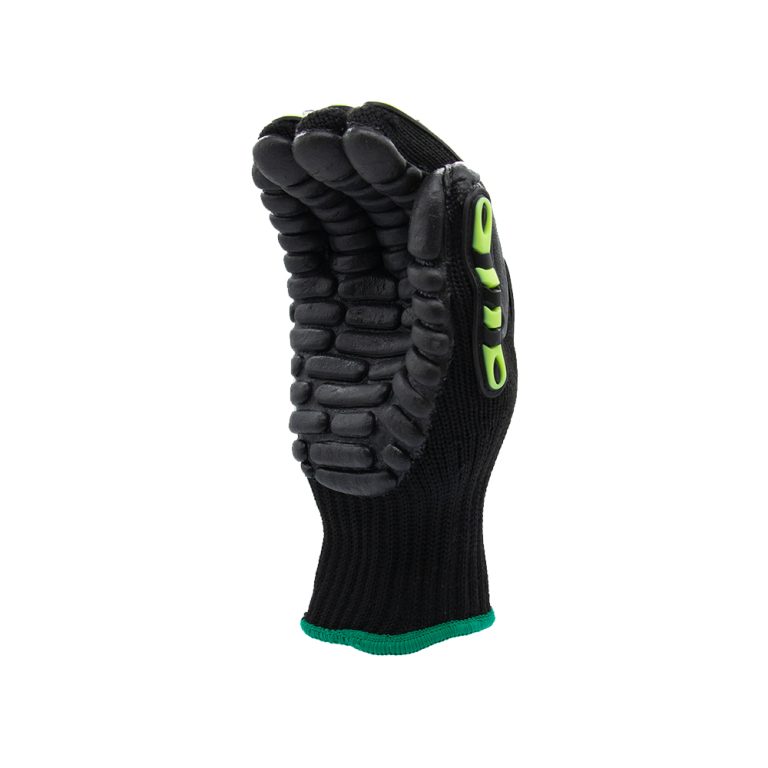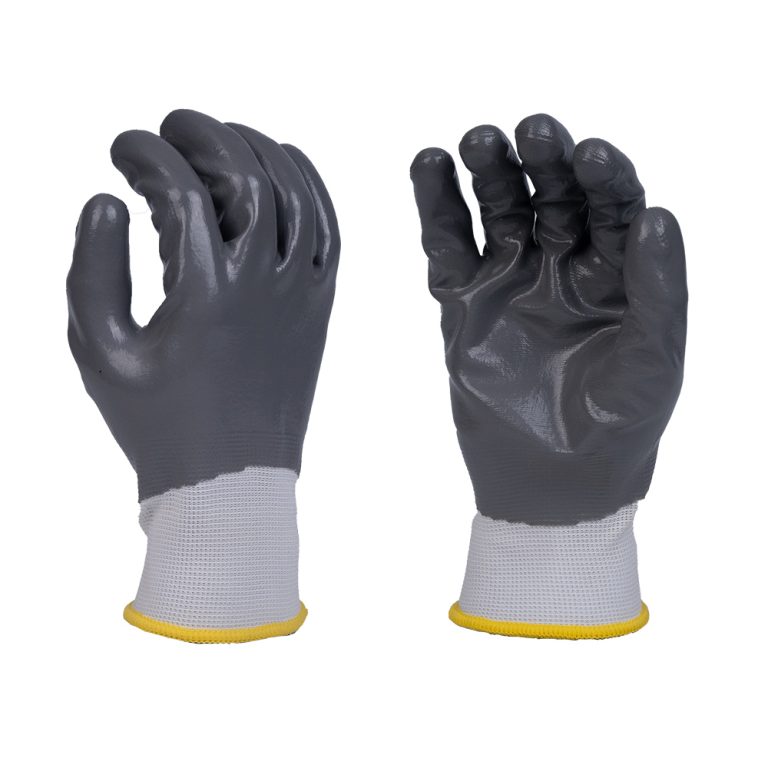

For bulk buyers, the lowest anti-cut gloves price is rarely the lowest operating cost. Start by fixing the required cut rating, liner, coating, size range, and work conditions. Then compare compliant quotations, validate samples, and estimate cost per usable shift or task cycle. A higher price is justified only when the glove delivers relevant protection, usability, or wear life.
Why Anti-Cut Glove Prices Vary
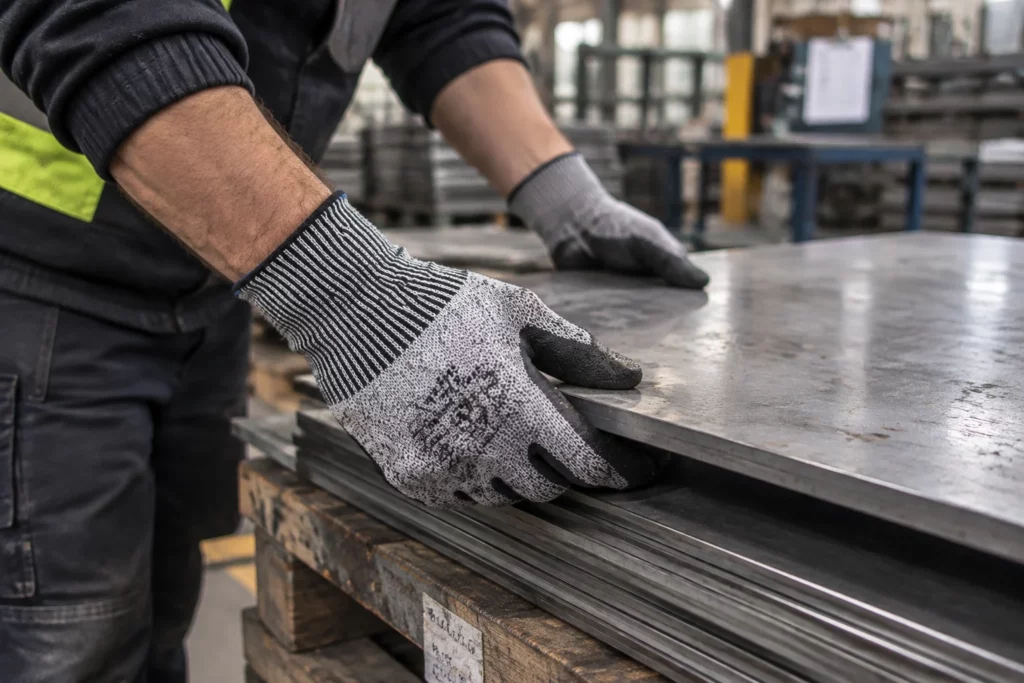
Two gloves that look similar can have very different constructions. The yarn package may include HPPE or other engineered fibers, while reinforcements and knitting density can change cut performance, feel, and cost. A stated cut level should therefore be tied to the applicable test standard and supporting documentation, not inferred from appearance or a marketing name.
Coating choices also affect the quotation. A light polyurethane coating may suit precise handling in dry or slightly oily conditions, while nitrile foam or textured nitrile may fit different grip and abrasion demands. Coverage, thickness, consistency, and curing all matter. Full coating, reinforced wear zones, longer cuffs, or special packaging can raise cost even when the liner is similar.
Setup, logo application, packaging, testing, and production planning are spread across the order quantity. A quote for one standard color and carton format is not comparable with a private-label program covering multiple sizes and retail packs. For the commercial variables shared across glove categories, use this general bulk work glove pricing and MOQ guide alongside the cut-specific checks below.
Define Quality Before Comparing Price
Quality is not a vague choice between “basic” and “premium.” It is the degree to which a production lot meets the protection, fit, grip, durability, and documentation requirements of the intended task.
Match the Cut Rating to the Hazard
In the United States, ANSI/ISEA 105 uses cut levels A1 through A9. Higher levels represent greater tested cut resistance, but the correct level must follow a workplace hazard assessment. The ANSI/ISEA 105-2024 cut-level overview explains the classification and why performance must be related to the task.
Do not treat a bare “Level 5” claim as automatically identical to ANSI A5. Ask which standard and edition were used, which test method applies, and which area was tested. Keep an EN 388 result in that system rather than converting it informally to ANSI. Specify the rating system required by the destination market and request the corresponding test information.
Evaluate Liner Gauge, Fiber, and Coating Together
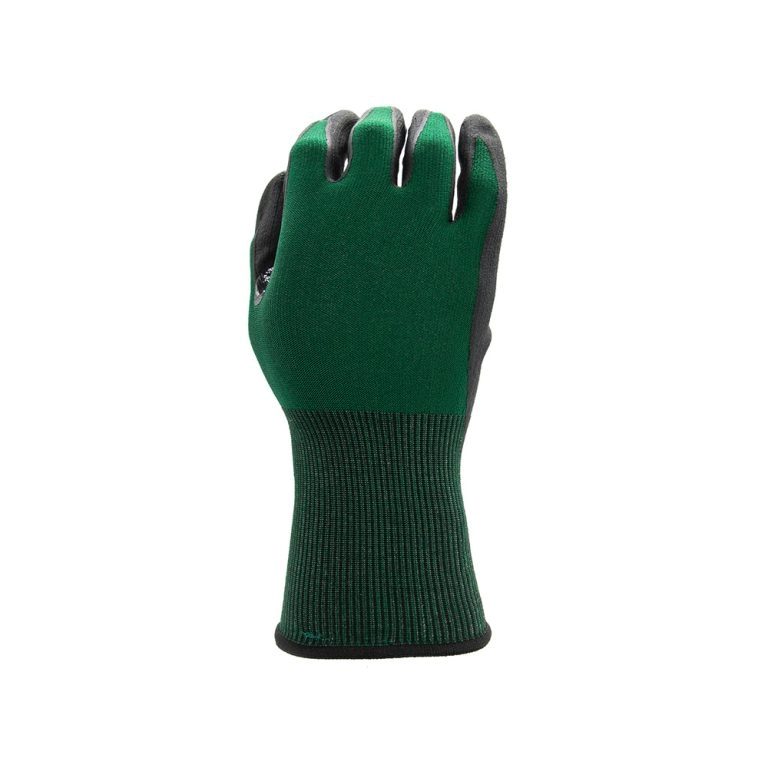
Gauge describes knitting density, not cut protection by itself. A fine-gauge liner can support close fit and fingertip sensitivity, but its actual protection depends on the complete yarn construction and verified result. PONWELL lists HPPE cut-resistant products in multiple gauges and coating types within its cut-resistant glove range. Its 21-gauge HPPE PU-coated glove illustrates a configuration intended to balance a fine liner, breathability, dexterity, and grip for dry or slightly oily precision work.
The coating should match the contact surface. Trial users should handle the actual parts, edges, and tools. Record grip in dry, oily, or damp conditions; finger mobility; heat buildup; and coating wear. A high cut rating does not compensate for poor grip or a fit that encourages glove removal.
Treat Fit and Size Consistency as Cost Factors
An incomplete size range can create overstock and shortages. Inconsistent finger length, cuff tension, or coating coverage can increase rejected pairs. Confirm the size mix before pricing, measure samples against an agreed specification, and include representative users in wear trials.
Compare Total Cost per Usable Wear
Unit price is only the numerator. For routine operations, compare how many accepted pairs are received and how long each construction remains serviceable under the same task. A practical calculation is:
Total evaluated order cost / accepted usable wear cycles = cost per usable wear
Evaluated order cost can include unit price, testing, customization, packaging, freight responsibility, inspection, rejected goods, and early replacements. Define a “wear cycle” as a shift, batch, or other repeatable task interval. Use a controlled trial, not a generic lifespan claim.
| Comparison item | What to hold constant | What to record |
| Protection | Standard, cut level, tested area | Report reference and marking |
| Construction | Liner material, gauge, coating, coverage | Approved sample and specification |
| Usability | Task, surface condition, shift length | Grip, dexterity, heat, removal frequency |
| Durability | Same users and replacement rule | Wear cycles and failure location |
| Commercial cost | Quantity, size mix, pack format, trade term | Landed or evaluated order cost |
This approach can reverse an apparent price advantage. A cheaper glove may cost more when coating wear, poor fit, or inconsistent lots shorten its usable life. Conversely, an expensive glove is not automatically better value if its additional protection or features are irrelevant to the assessed task.
Use a Controlled Bulk-Buying Process
1. Write a Task-Based Specification
Describe the sharp object, contact type, handling frequency, surface condition, required dexterity, temperature, and other hazards. State the required cut standard and rating, liner and coating preferences, sizes, cuff, marking, packaging, and documentation. Cut resistance does not establish puncture, chemical, heat, or impact protection, so specify those hazards separately where applicable.
2. Request Like-for-Like Quotations
Send the same specification and size mix to every candidate. Ask for price tiers, sample charges, packaging assumptions, trade terms, and any testing cost. Require suppliers to identify proposed substitutions rather than quietly quoting a different yarn, coating, or performance level.
3. Approve Samples Through a Wear Trial
Check documents first, then test fit, grip, dexterity, comfort, and durability in the intended job. Use a written replacement rule and record liner damage, coating delamination, loss of grip, or cuff distortion. Do not perform improvised blade demonstrations on a person’s hand.
4. Lock the Production Reference
Keep an approved sample and signed specification. Define acceptable dimensions, markings, colors, coating coverage, packaging, and performance documents. Agree on the inspection method and the response to nonconforming goods before the purchase order. For customized programs, PONWELL describes material selection, ergonomic design, coatings, branding, packaging, and an inspection workflow within its OEM and ODM capabilities.
When Is a Higher Price Worth Paying?
A higher quote can be rational when it buys a required verified rating, more suitable grip, better fit, longer service life in a controlled trial, or dependable production documentation. Reinforced wear zones or special cuffs should also solve a real operational requirement.
Use a simpler construction when the risk assessment supports it and trials show adequate protection, grip, comfort, and wear life. Over-specifying cut resistance can reduce flexibility or add unnecessary cost. The target is the lowest total cost among gloves that meet every mandatory requirement, not the lowest unit price and not the highest available rating.
Conclusion
Bulk anti-cut glove sourcing is more reliable when price follows a defined quality threshold. Normalize the rating system, liner, gauge, coating, size mix, packaging, and commercial terms; then validate real-task wear before comparing cost per usable cycle. PONWELL’s range gives buyers several HPPE and coating configurations to evaluate, but the final choice should be confirmed against the application, required documentation, and approved sample.
For a project-specific review, send PONWELL the application, hazard profile, target cut rating, coating preference, size mix, quantity, packaging, destination, and required documentation. Request a cut-resistant glove fit check and quotation before approving bulk production.
FAQs
Are anti-cut gloves completely cut-proof?
No. Cut-resistant gloves are designed to reduce cut risk under defined test and use conditions. They do not make a hand immune to blades, punctures, powered equipment, or every sharp-edge exposure.
Is a higher ANSI cut level always better for bulk purchasing?
No. A higher level may be necessary for a more severe hazard, but it can add cost or affect dexterity. Select the level through hazard assessment, then validate the complete glove in the task.
What information is needed for an accurate bulk quote?
Provide the application, required standard and rating, liner and coating, gauge or fit preference, size mix, quantity tiers, markings, packaging, destination, trade terms, and required test documents.
How should buyers compare two anti-cut glove samples?
Use the same workers, task, conditions, and replacement rule. Record fit, grip, dexterity, comfort, wear cycles, failure location, and rejected pairs, then compare cost per usable wear.